
The Evolution of Wrist Technology and Lifestyle Tracking
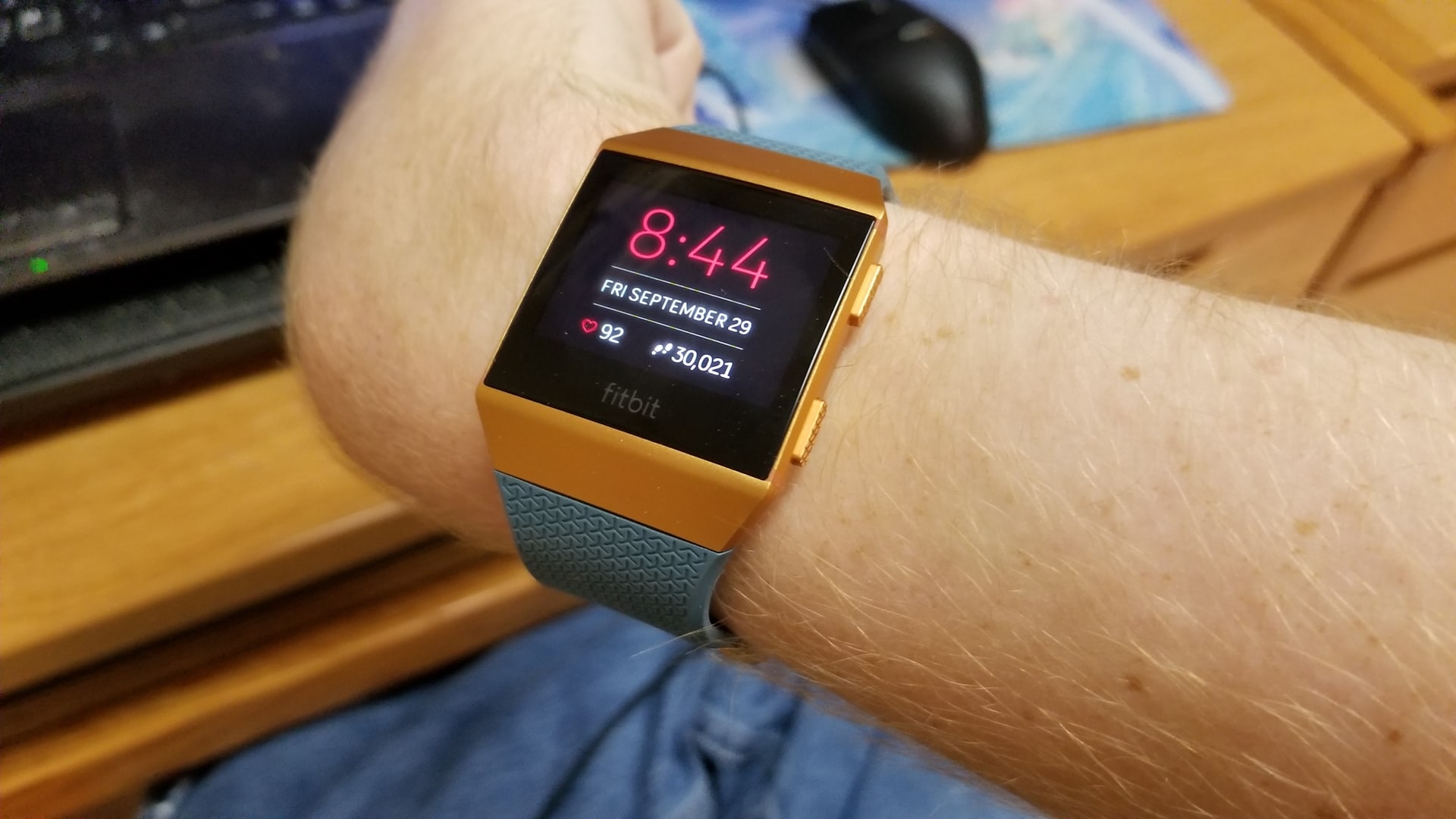
In today's fast-paced digital era, wristwatches no longer just tell time. Modern smartwatches have transformed into comprehensive health-tracking devices that monitor daily activities, step counts, calorie burn, and heart rates. This constant flow of health data has made wearables immensely popular among fitness enthusiasts.
However, a critical question arises amidst this trend: Can these smart gadgets genuinely replace a professional doctor? Understanding the limitations of these wearable devices is essential for anyone relying on them for health insights.
How Useful Are Smartwatches During Physical Workouts?
For gym-goers and fitness enthusiasts, smartwatches serve as excellent workout companions. During cardiovascular training, these devices continuously track heart rate intensity, helping users understand whether their workout is effective or putting excessive strain on the body.
When heart rates reach unsafe thresholds, the built-in alerts prompt users to slow down, preventing overexertion. While these metrics aid in overall fitness management, they remain recreational tools rather than clinical diagnostic instruments.
The Reality of Smartwatch ECG Features and Their Limitations
Recent advancements have introduced basic ECG recording capabilities in several smartwatches, alerting users to irregular heart rhythms or potential signs of atrial fibrillation. Despite these impressive engineering feats, medical professionals emphasize that consumer-grade wearables cannot match clinical electrocardiograms.
Clinical setups utilize multiple leads across the body to capture comprehensive cardiac electrical activity, whereas smartwatches capture extremely limited signals from the wrist and finger, leaving room for diagnostic inaccuracies and false alarms.
Why Professional Medical Consultation Remains Irreplaceable
Health experts repeatedly warn against substituting medical diagnoses with consumer gadgets. False positives can induce unnecessary anxiety, while false negatives might provide a false sense of security regarding underlying cardiac issues.
"Smartwatches and fitness trackers can serve as early warning systems, but they can never replace a doctor. If you experience severe symptoms like chest pain, always consult a qualified cardiologist immediately rather than relying solely on gadget metrics." — Dr. Alok Sharma, Senior Consultant Cardiologist
Technology should act as a supportive lifestyle aid rather than a definitive medical authority. Prioritizing expert clinical advice ensures safety and accurate treatment when health concerns arise.
