
Modern Smartwatches and the Growing Trend of Health Tracking
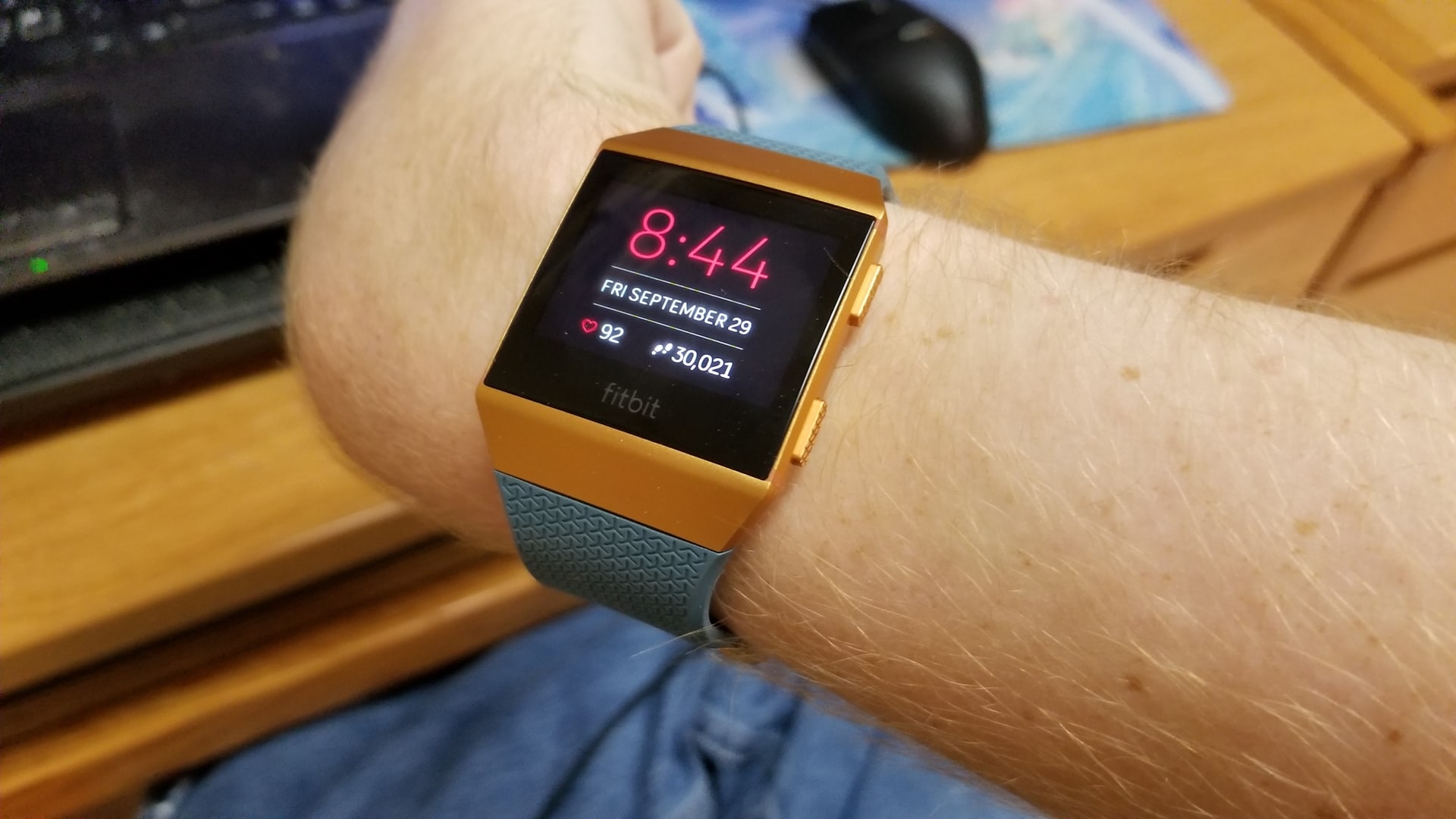
In today's fast-paced digital era, wearable technology has transformed the way we look at our personal health. Smartwatches are no longer restricted to telling time; they monitor our daily steps, active calories, sleep patterns, and even heart rates. This continuous tracking has made fitness bands immensely popular among health-conscious individuals who want to stay on top of their physical well-being.
However, with advanced features like basic electrocardiogram (ECG) sensors being integrated into consumer tech, a critical question arises: Can your smartwatch replace a doctor? While these devices excel at monitoring workout intensity and keeping a general tab on cardiovascular activities, experts urge caution against over-reliance on consumer gadgets for medical decisions.
Understanding the Limitations of Wearable ECG Sensors
Recent smartwatches claim to detect irregular heart rhythms and potential atrial fibrillation through built-in electrical sensors. While these features serve as helpful early warning tools, cardiologists point out their severe medical limitations. Consumer devices capture only a single-lead reading, whereas clinical ECGs utilize multiple leads to provide a comprehensive evaluation of heart function.
Furthermore, inaccurate positioning, sweat, or sudden wrist movements can easily trigger false positives or miss underlying cardiac issues altogether. Relying solely on a digital watch reading can lead to unnecessary panic or, worse, a false sense of security regarding serious heart conditions.
Expert Opinions: Why Professional Medical Consultation is Irreplaceable
Medical professionals emphasize that while wearables promote lifestyle awareness, they lack the clinical precision required for actual diagnosis. Experienced cardiologists rely on comprehensive diagnostic tests, patient history, and physical examinations that algorithms simply cannot replicate.
"Smartwatches are wonderful tools for tracking everyday fitness and motivating you to stay active, but they should never be treated as a substitute for professional medical advice and clinical diagnosis." — Dr. R. K. Sharma, Senior Cardiologist
Conclusion: Balancing Tech Awareness with Professional Care
Ultimately, smartwatches should be viewed as supplementary wellness companions rather than diagnostic instruments. If a wearable device generates a health alert, use it as a prompt to consult a qualified physician rather than attempting self-diagnosis. Prioritizing genuine medical evaluation over gadget-based assumptions remains the safest approach to long-term heart health.


