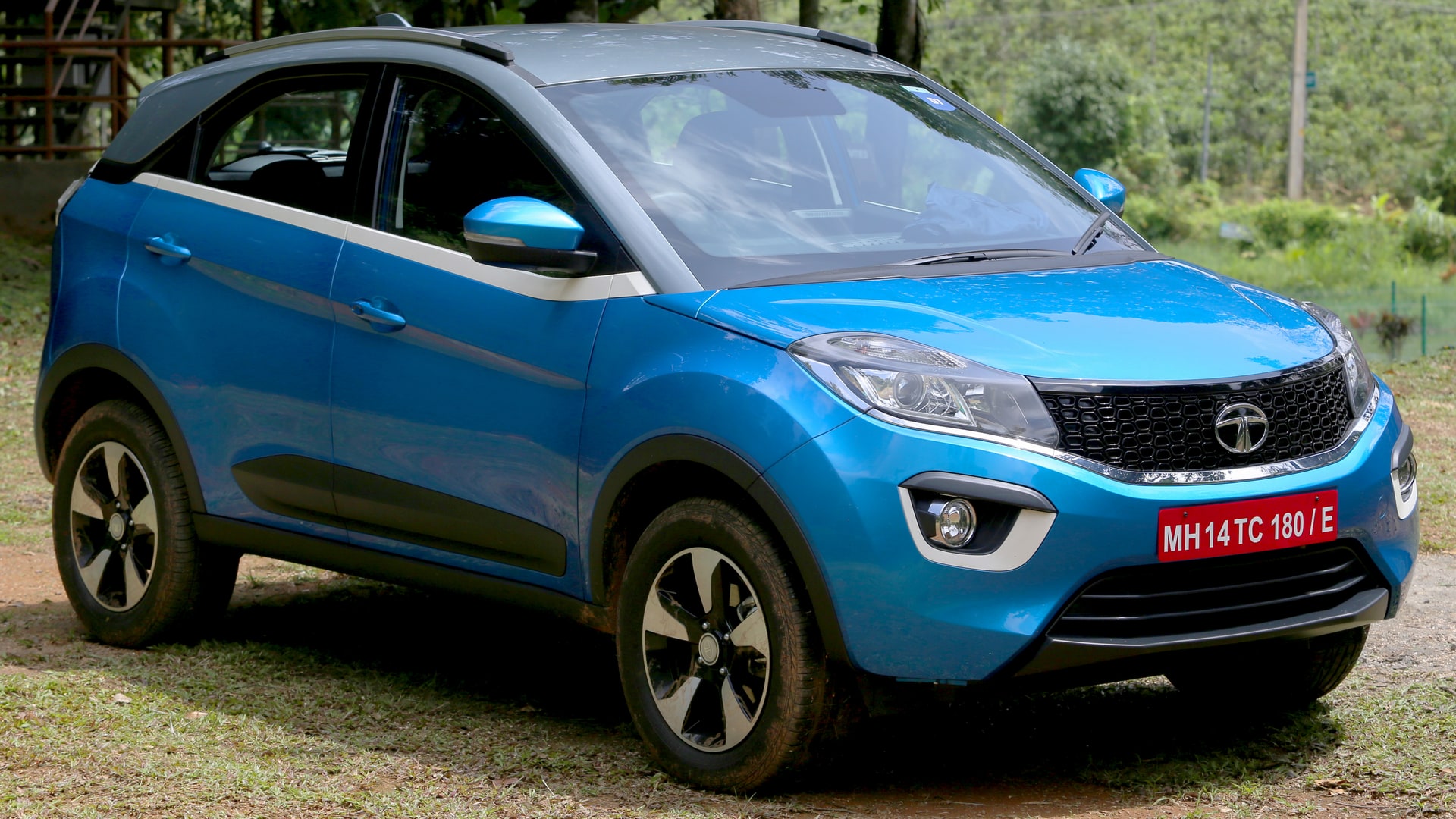
Tata Motors Achieves Remarkable Sales Milestone
Indian automotive giant Tata Motors has reported an exceptional performance for the month of September, crossing significant milestones in both domestic and international passenger vehicle segments. Driven by strong festive demand and rising consumer preference for green mobility, the company registered a total sales figure of 70,210 units during the month, marking a 15 percent increase compared to the same period last year.
The company's strong emphasis on safety, modern design language, and diverse powertrain options has consistently kept its products at the forefront of the Indian car market. Industry analysts note that both urban and rural buyers are increasingly opting for homegrown brands that offer superior value and advanced technology.
Surge in Electric and Alternative Fuel Vehicles
A major highlight of Tata's September performance was the phenomenal growth in its electric vehicle (EV) segment. The company retailed 15,384 electric cars, registering a staggering 67 percent year-on-year growth compared to 9,191 units sold in September of the previous year. Popular models like the Nexon EV, Tiago EV, and Punch EV continue to dominate the Indian electric vehicle landscape.
Furthermore, combined sales of CNG and electric vehicles accounted for over 51 percent of the company's total sales in the July-September quarter, reflecting a massive shift in consumer behavior toward eco-friendly and cost-effective transportation options.
Quarterly Triumph Led by Tata Punch
During the July-September quarter, Tata Motors surpassed the 2-lakh sales mark for the first time in a single quarter, recording total sales of 2,01,723 units. According to Shailesh Chandra, MD and CEO of Tata Motors Passenger Vehicles, the Tata Punch successfully emerged as the highest-selling SUV in the country during this period, cementing its leadership position in the entry-level SUV segment.
With the festive season underway, Tata Motors is well-positioned to maintain its aggressive growth trajectory through enhanced production capacities, attractive consumer schemes, and a robust product portfolio.