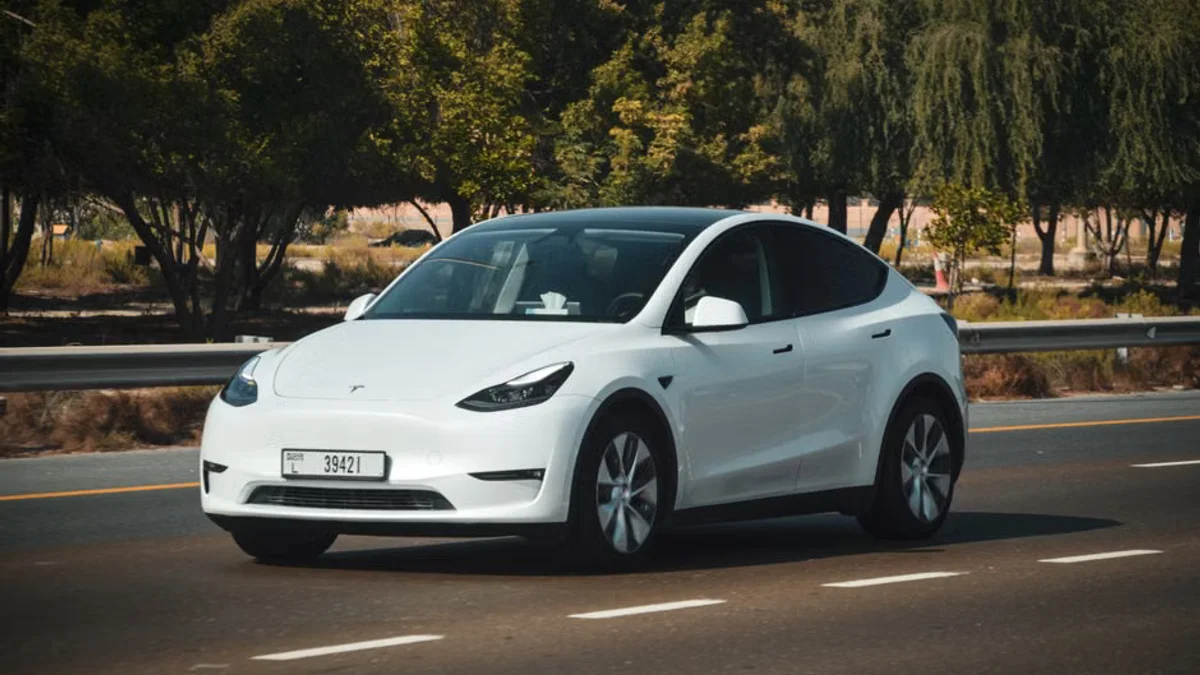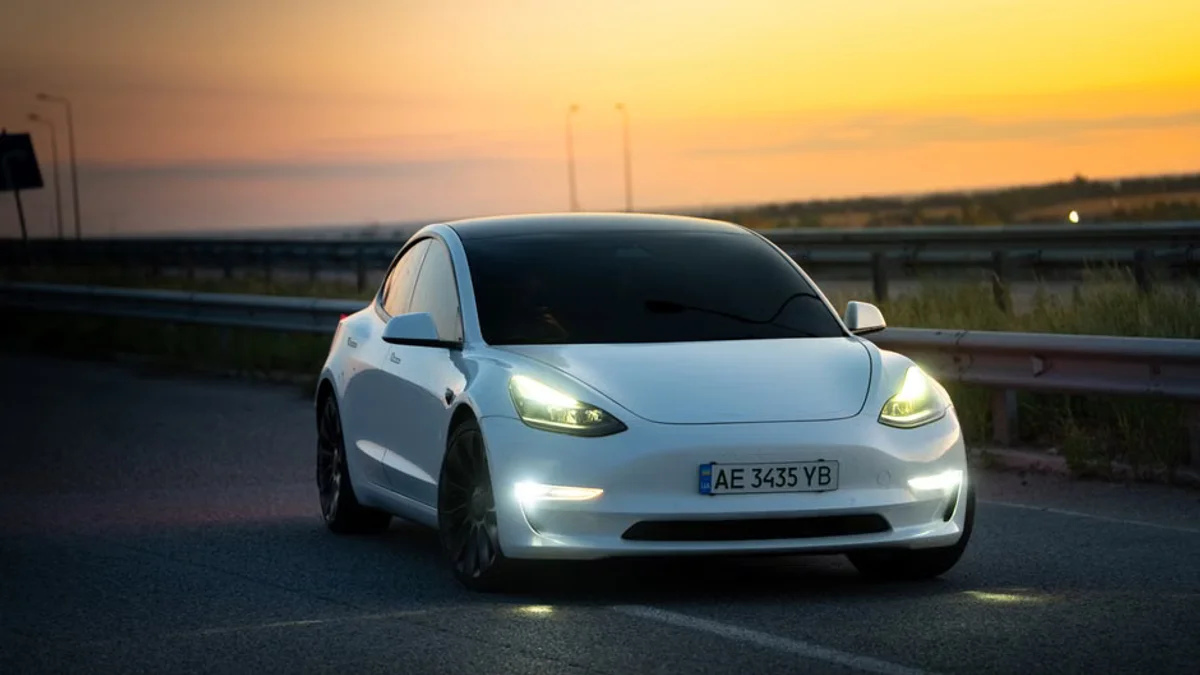
Tesla CEO Elon Musk has once again captured global attention following fresh commentary surrounding the long-delayed next-generation Roadster. In recent investor briefings and high-profile tech forums, Musk reiterated that the upcoming sports car will transcend traditional automotive boundaries, featuring advanced engineering concepts derived from SpaceX aerospace technology.
First unveiled as a concept in 2017, the new Roadster has faced numerous production delays as Tesla prioritizes scaling up mass-market electric vehicles, energy storage systems, and full self-driving (FSD) software. However, enthusiasm remains remarkably high among enthusiasts and tech investors alike. Musk previously teased that the vehicle could utilize cold-air thrusters—a technology directly adapted from rocket engineering—to dramatically enhance acceleration, top speed, and cornering stability.
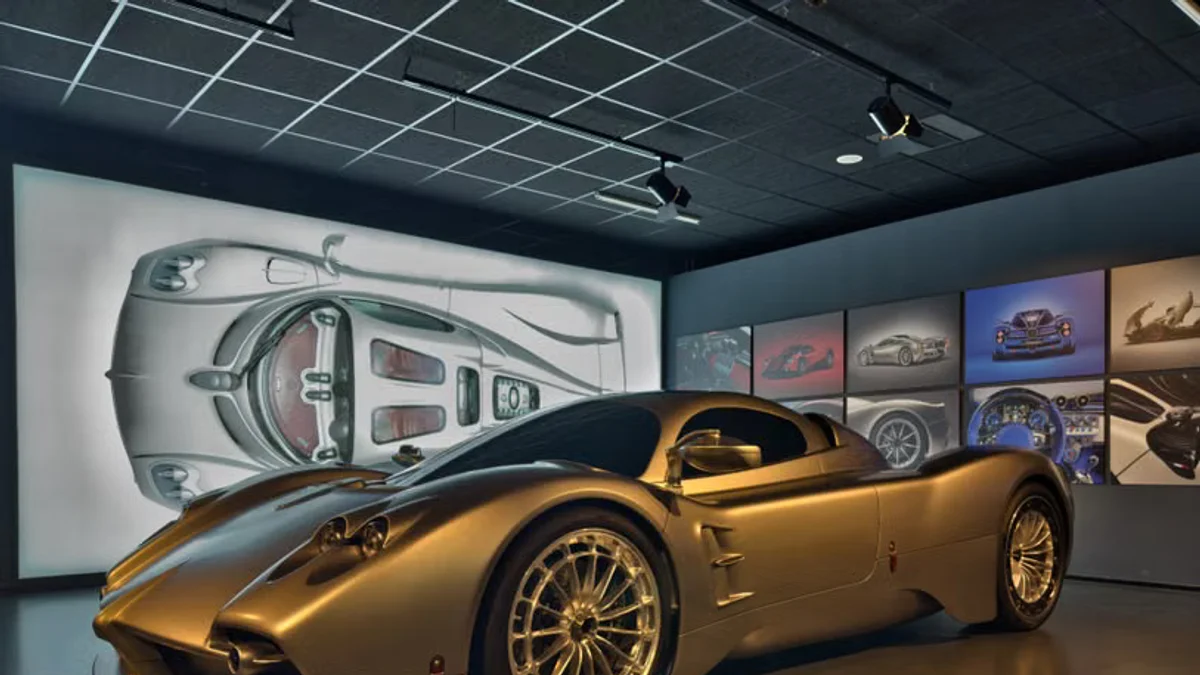
Automotive analysts and industry insiders remain divided on the feasibility and regulatory approval of such features for public roadways. National Highway Traffic Safety Administration (NHTSA) guidelines and international vehicle safety standards currently lack frameworks for rocket-propelled or hovering civilian transport. Nonetheless, marketing analysts point out that the mere discussion of 'flying car' capabilities serves as a powerful masterclass in brand positioning, keeping Tesla at the absolute forefront of futuristic mobility mindshare.
Beyond performance metrics, the Roadster is expected to serve as a technology showcase for Tesla's next-wave battery architecture and ultra-high-density energy cells. As legacy luxury automakers accelerate their own electric supercar programs, Tesla's ability to deliver on Musk's audacious claims will be heavily scrutinized in the coming quarters.
Key Highlights
- Elon Musk reaffirms aerospace-inspired propulsion concepts for the next-generation Tesla Roadster.
- Potential integration of SpaceX-derived cold-air thrusters for extreme performance boosts.
- Regulatory challenges remain a major hurdle for unconventional automotive features on public roads.
As the electric vehicle market matures, the Tesla Roadster represents not just a commercial product, but a vital statement of technological ambition. Whether it ultimately achieves its cinematic 'flying car' aspirations or settles into the realm of ultra-performance hypercars, it continues to command global search interest and redefine consumer expectations.