

Margaret Hamilton, a towering figure in computer science who directed the software engineering division for NASA's Apollo space program, has passed away at the age of 90. Her groundbreaking contributions ensured the historic success of the 1969 Apollo 11 Moon landing, cementing her status as a pioneer of the digital age.
As the director of the Software Engineering Division of the MIT Instrumentation Laboratory, Hamilton and her team developed the onboard flight software used for the Apollo command and lunar modules. During the critical lunar descent of Apollo 11, Hamilton’s priority-scheduling software famously handled an unexpected radar overload, preventing a mission abort and guiding Neil Armstrong and Buzz Aldrin safely to the lunar surface.

Beyond her monumental work with NASA, Hamilton coined the term 'software engineering' to legitimize a discipline that was once viewed as secondary to hardware development. Her innovative approach to asynchronous executive design and fault tolerance laid the groundwork for modern computing reliability.
Tributes poured in from global space agencies, tech leaders, and government officials honoring her visionary legacy. In 2016, she received the Presidential Medal of Freedom from President Barack Obama in recognition of her monumental contributions to aerospace technology.
Key Highlights
- Margaret Hamilton led software development for NASA's Apollo missions.
- Her code saved the Apollo 11 lunar landing during a critical computer overload.
- Credited with establishing the formal discipline of software engineering.
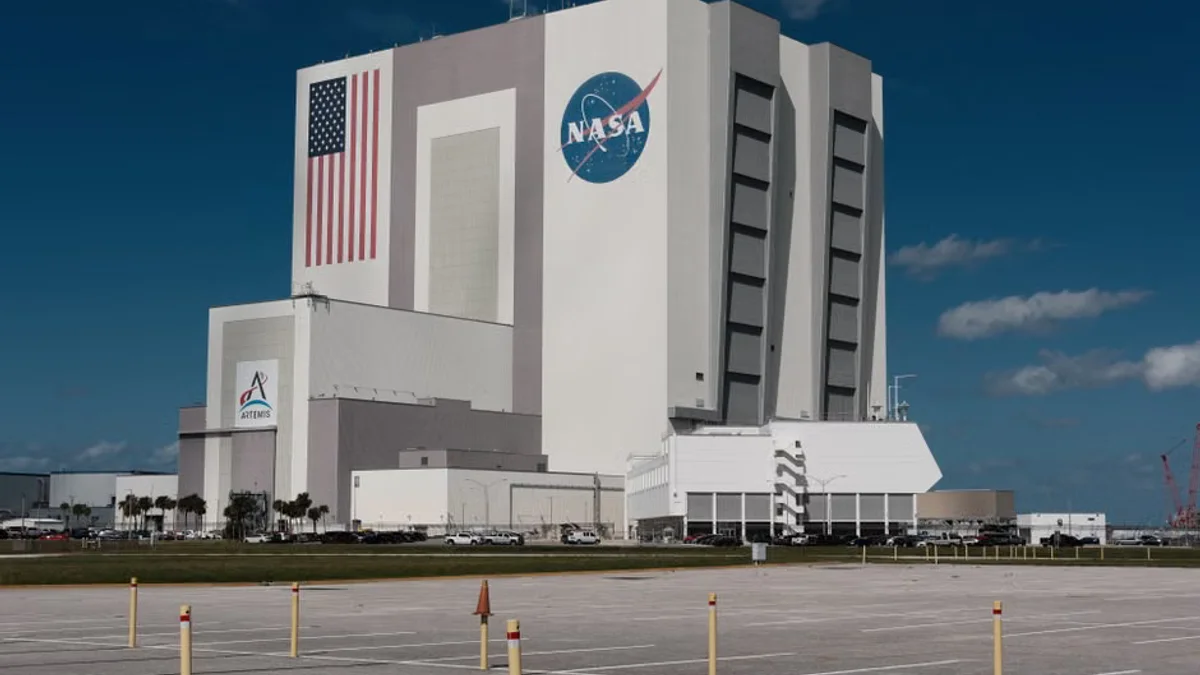
Hamilton’s enduring legacy continues to inspire generations of scientists, engineers, and technologists pushing the boundaries of human exploration.