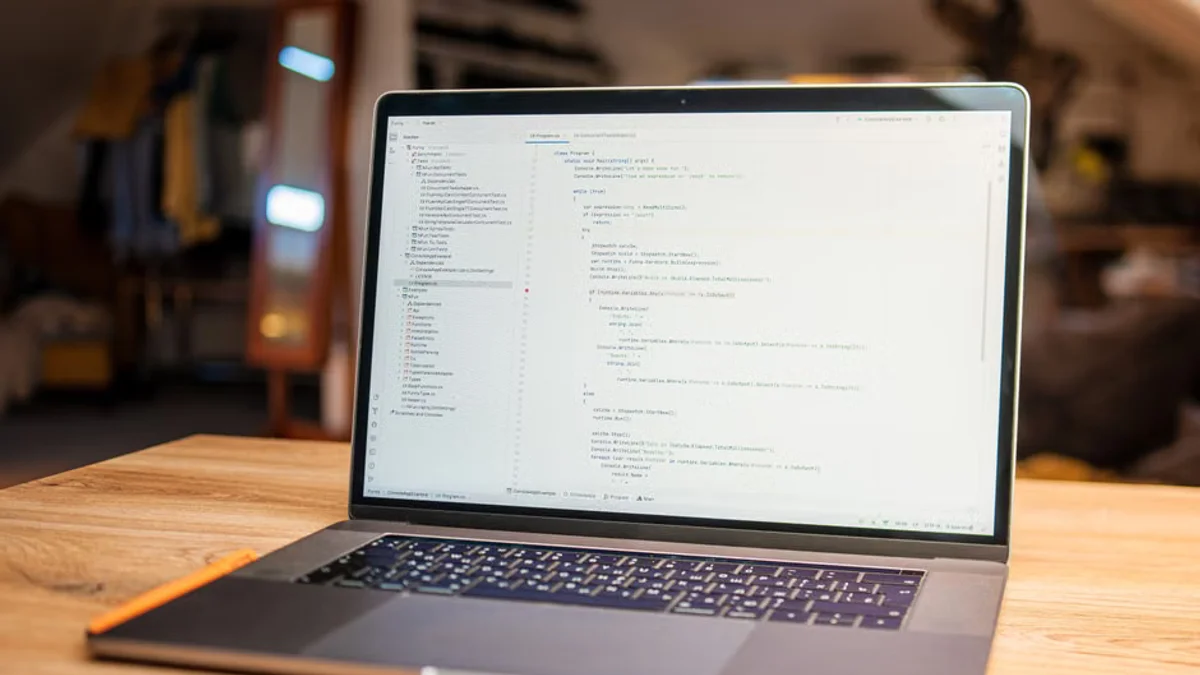
Microsoft is rolling out a series of targeted performance updates for Windows 11 designed to alleviate common bottlenecks experienced by users running hardware with 8GB of RAM. Historically criticized for heavy resource consumption, the operating system has undergone extensive code refactoring to improve responsiveness on entry-level laptops and older PCs.
According to engineering reports from Redmond, the latest optimizations streamline memory allocation, prioritize active window threads, and aggressively suspend inactive background background services. These changes result in faster application launch times, smoother multi-tasking, and reduced thermal throttling on lower-spec machines.

The move is seen as a strategic effort to cater to global education and budget-conscious consumer markets where 8GB remains the standard configuration. Industry experts praise the update for extending the lifecycle of millions of existing computers, reducing electronic waste while delivering a premium user experience without requiring immediate hardware upgrades.
Key Highlights
- Targeted OS optimizations dramatically improve Windows 11 speed on 8GB RAM systems.
- Advanced memory management reduces background bloat and optimizes multitasking.
- Update extends the usable lifespan of millions of budget and enterprise laptops.
- Microsoft emphasizes commitment to performance efficiency across diverse hardware tiers.
By refining core system efficiency, Microsoft ensures that Windows 11 remains accessible and snappy for users across all hardware spectrums, reinforcing its dominance in the global PC ecosystem.