
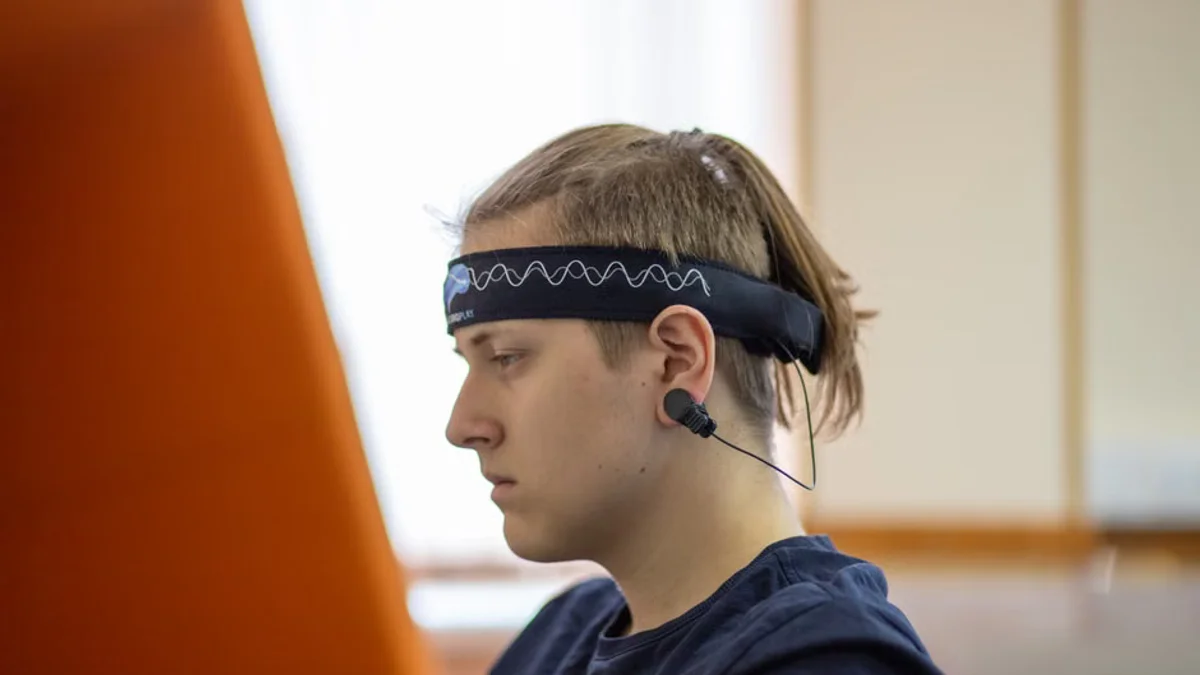
The boundary between science fiction and neurological reality has grown dangerously thin following the unveiling of an advanced artificial intelligence system capable of reading human brain activity and reconstructing thoughts with striking precision. Described by researchers as a monumental leap in neuro-AI, the technology converts functional magnetic resonance imaging (fMRI) data into accurate visual and textual representations of what a subject is looking at or imagining.
By leveraging deep learning models trained on vast datasets of neural activity, the AI can analyze how the human brain processes visual stimuli and translate those electrical impulses back into recognizable images and concepts. In laboratory trials, the system successfully recreated complex shapes, faces, and scenes directly from the brainwave patterns of test participants, astonishing neuroscientists worldwide.
However, the breathtaking capability has immediately triggered profound ethical concerns regarding mental privacy. As AI models become increasingly proficient at peering into the human mind, legal scholars, bioethicists, and policymakers are demanding urgent regulatory frameworks to protect individuals against unauthorized cognitive surveillance or brain data exploitation.
Despite the ethical anxieties, medical researchers emphasize the immense therapeutic potential of the technology. Brain-computer interface applications powered by this AI could eventually allow paralyzed patients, stroke victims, and individuals with severe speech impairments to communicate fluidly through direct thought translation.
Key Highlights
- Advanced AI systems can now decode fMRI brain scans to recreate visual thoughts with high accuracy.
- The breakthrough combines neuroscience with deep learning neural networks.
- Experts have raised critical ethical questions regarding cognitive privacy and the regulation of mental data.
As neural decoding technology accelerates, society faces a defining ethical test: balancing groundbreaking medical rehabilitation tools against the fundamental right to mental privacy.