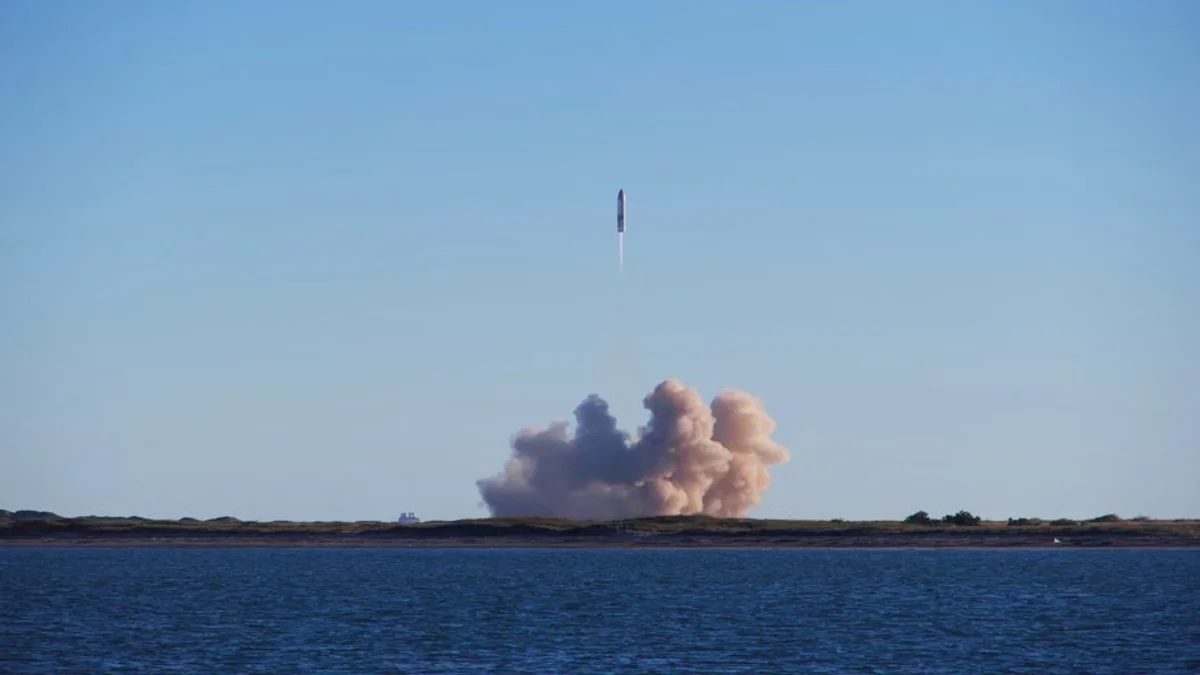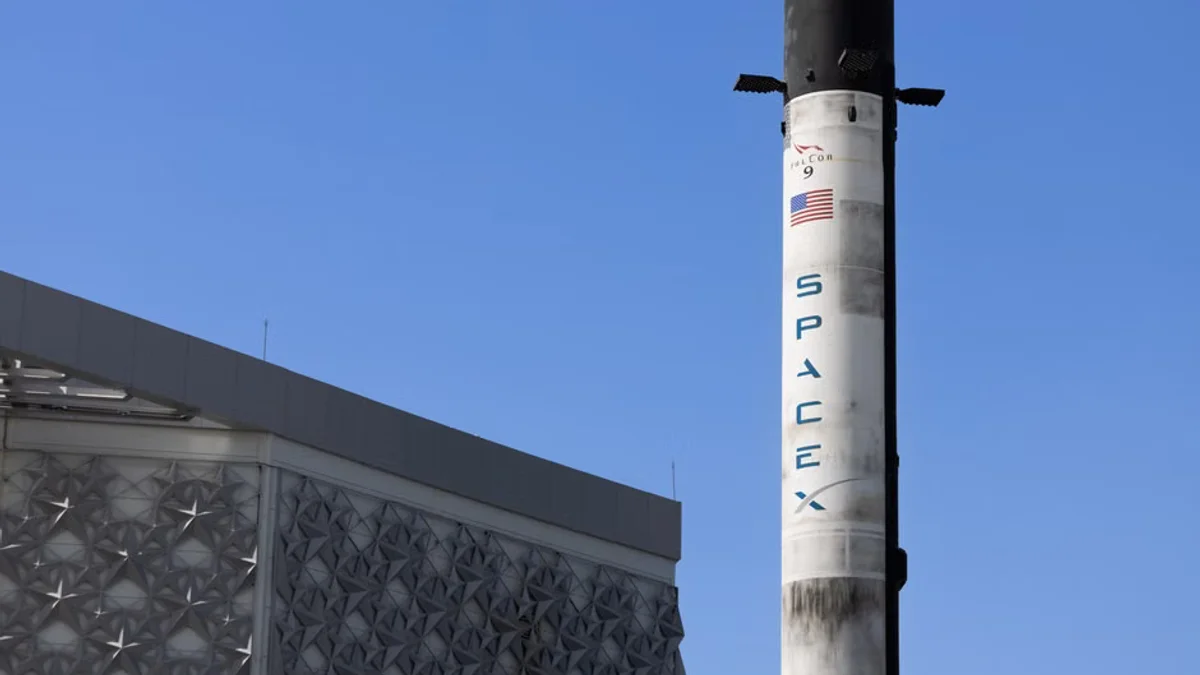
SpaceX has once again captured the financial world's attention as secondary share transactions value the privately held aerospace manufacturer at unprecedented heights. Driven by the commercial success of its Starlink satellite internet constellation and the aggressive testing cadence of its next-generation Starship rocket system, Elon Musk’s enterprise remains the undisputed heavyweight of the modern commercial space economy.
Market analysts note that the surge in private market valuation reflects intense institutional appetite for space-based infrastructure and defense applications. With NASA relying heavily on SpaceX for upcoming Artemis lunar missions and the Department of Defense expanding contracts for secure orbital communications, the company’s revenue streams have diversified far beyond commercial broadband and launch services.
However, questions remain regarding how and when SpaceX might spin off its Starlink division into a separate publicly traded entity—a move that retail and institutional investors have anticipated for years. While executive leadership has repeatedly emphasized the necessity of focusing on interplanetary transport and scaling global connectivity, the immense capital requirements of the Starship program keep capital markets perpetually speculating.
Key Highlights
- Private secondary market valuations place SpaceX at unprecedented global financial highs.
- Starlink broadband subscriber growth continues to outpace traditional telecommunications forecasts.
- Ongoing Starship development remains central to both NASA lunar contracts and long-term interplanetary goals.

As the commercial space race accelerates, SpaceX's unique position as both a defense contractor and a consumer technology provider ensures its financial trajectory will remain a dominant fixture in global economic discourse.