
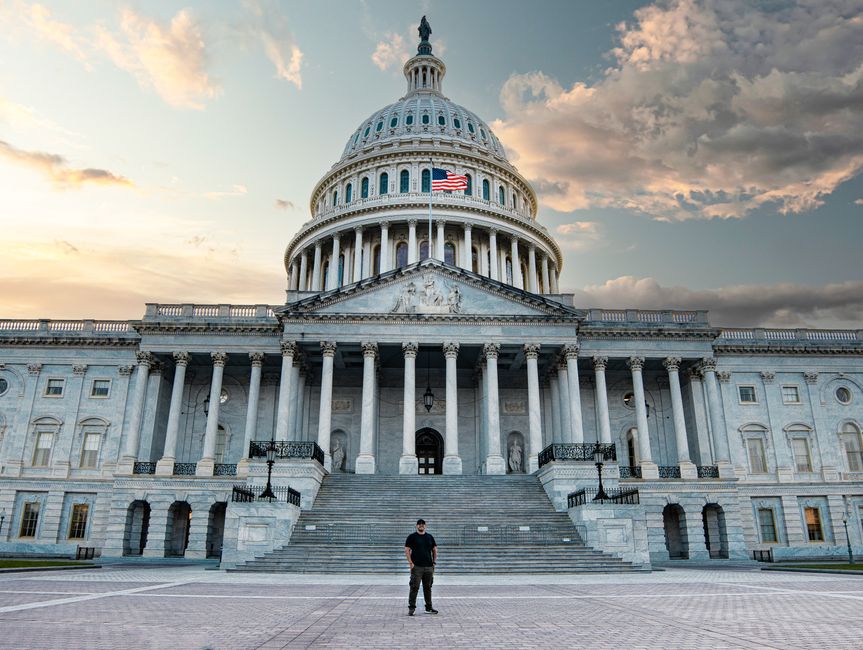
WASHINGTON — Amid persistent domestic inflation and a deeply polarized political landscape, Senator Bernie Sanders has intensified his campaign focusing on sweeping economic reforms and a reevaluation of international funding priorities. Speaking to a coalition of labor leaders and economic policy experts in Washington, Sanders argued that the current trajectory of government spending disproportionately favors corporate interests at the expense of vital public infrastructure, healthcare, and education.
The debate comes at a critical juncture for the US legislature, as lawmakers grapple with federal budget allocations, soaring national debt, and escalating geopolitical tensions in Eastern Europe and the Middle East. Sanders emphasized that national security must be redefined to encompass domestic well-being, including universal healthcare, affordable housing, and robust social safety nets for marginalized communities.
'We are witnessing an unprecedented concentration of wealth while millions of families struggle to afford basic necessities,' Sanders stated during his address. 'Our legislative priorities must reflect the fundamental needs of the working class, not the speculative profits of defense contractors and massive financial institutions.'
Political analysts note that Sanders' renewed focus aims to energize progressive grassroots movements ahead of upcoming legislative sessions. While moderate lawmakers continue to advocate for fiscal restraint and balanced defense budgets, the progressive wing is pushing aggressively for tax reforms targeting corporations and ultra-high-net-worth individuals to fund domestic expansion.
Key Highlights
- Senator Bernie Sanders critiques current federal budget allocations and defense spending.
- Progressive lawmakers push for structural tax reforms and expanded domestic social programs.
- Debate centers on redefining national security to include economic and healthcare infrastructure.
As legislative negotiations progress, the debate over federal spending priorities remains a central flashpoint in American politics, with profound implications for both domestic policy and international commitments.


