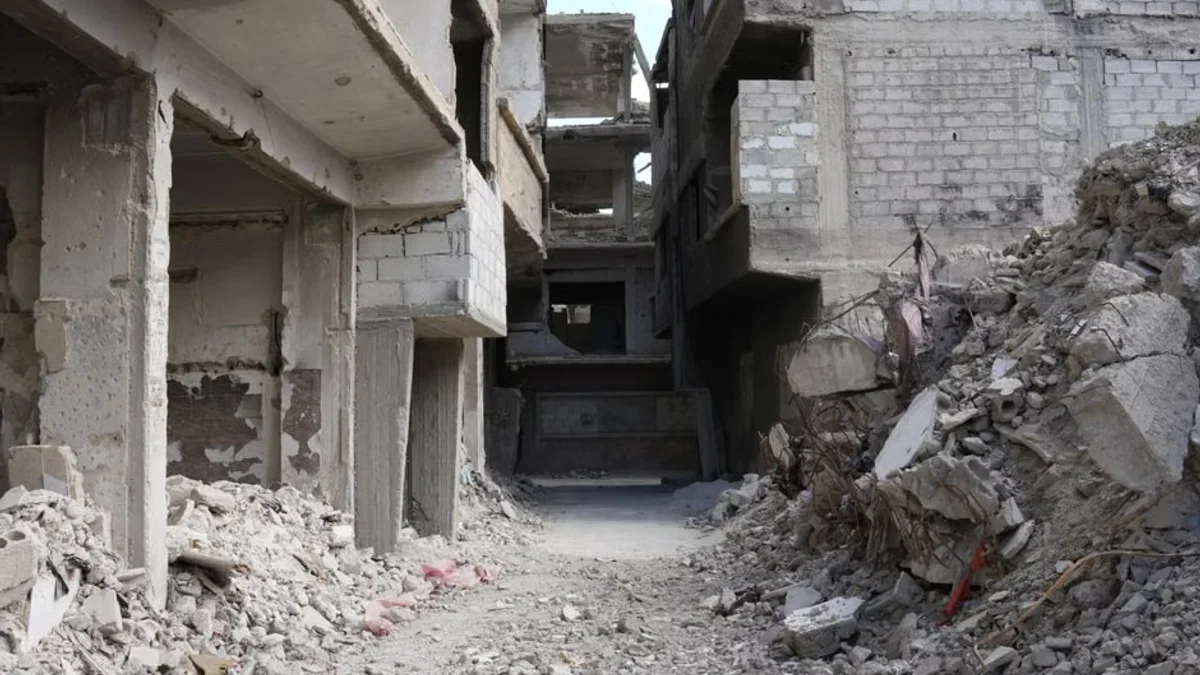

Riyadh was jolted awake by a series of deafening explosions as Saudi Arabia absorbed what security analysts are terming the deadliest and most sophisticated wave of Houthi drone and missile attacks to date. Plumes of smoke were visible across several districts of the capital, prompting emergency air defense responses and immediate security lockdowns. While government authorities reported intercepting a significant portion of the incoming airborne projectiles, impact zones sustained notable structural damage and triggered widespread panic among residents.
The escalation marks a dangerous turning point in the protracted geopolitical struggle, severely testing regional stability and international diplomatic efforts to broker a lasting ceasefire. Western allies, including the United States and European Union member states, strongly condemned the strikes, reiterating their commitment to Saudi Arabia's territorial defense while calling for immediate de-escalation from all belligerent parties. Economic markets reacted swiftly to the news, with crude oil futures spiking amid fears of sustained disruption to critical Middle Eastern energy infrastructure and supply routes.

Defense experts point out that the sophistication of the munitions used in the raid indicates a troubling transfer of advanced military technology, raising the stakes for regional security frameworks. As diplomatic channels scramble to formulate a cohesive response, the humanitarian and economic toll of the conflict continues to mount, casting a long shadow over prospects for peace in the Arabian Peninsula.
Key Highlights
- Coordinated aerial explosions rattle central Riyadh in unprecedented escalation.
- Attacks designated as the deadliest Houthi offensive against Saudi infrastructure.
- Crude oil futures surge as global markets react to Middle Eastern supply fears.
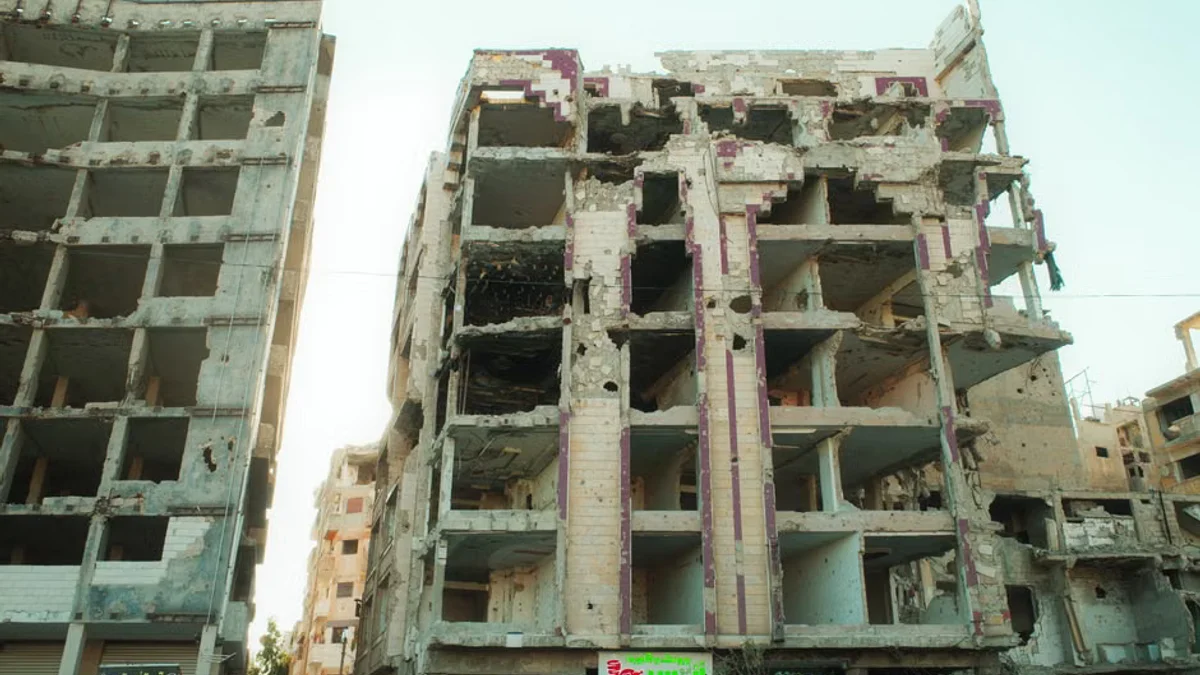
The unfolding crisis demands urgent international intervention to prevent a wider regional conflagration that could destabilize global energy markets and security dynamics alike.