
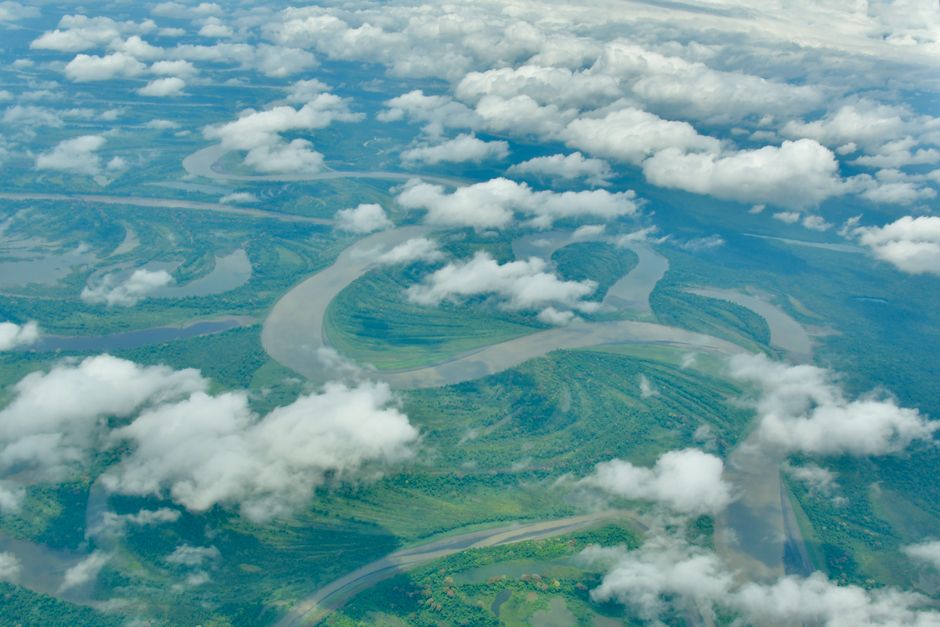
BRASILIA — The intensifying political rivalry in Brazil has escalated into a pivotal test for the nation's democratic institutions and its critical role in global climate governance. With the vast Amazon rainforest serving as both a local ecosystem and a global carbon sink, domestic policy decisions carry profound international implications. Observers note that shifting dynamics in Washington and other Western capitals are casting a long shadow over Brasilia's legislative and judicial battlegrounds.
At the heart of the debate is the future of environmental protections, resource extraction, and international trade agreements. European and North American partners have expressed mounting concern over regulatory rollbacks and enforcement mechanisms designed to curb deforestation. Conversely, nationalist factions within Brazil argue for prioritized domestic economic growth and resource sovereignty, rejecting external oversight.
Key Highlights
- The political showdown directly impacts global climate change mitigation efforts and Amazon preservation.
- International trade relations and foreign investments hang in the balance amid regulatory uncertainties.
- Geopolitical alignments in South America face potential restructuring based on domestic electoral and judicial outcomes.
As diplomatic pressures mount from multiple fronts, the coming months will prove decisive in determining whether Brazil can reconcile its national development goals with its binding international environmental obligations.


