
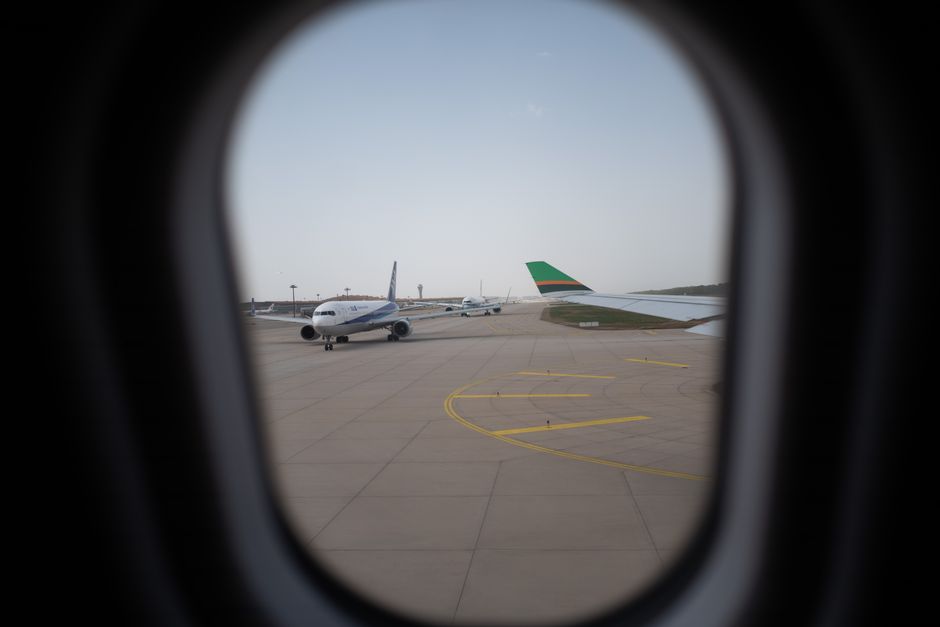
British Airways, one of the world's leading commercial carriers, is facing intense operational scrutiny as ongoing supply chain disruptions, engine maintenance delays, and escalating fuel expenditures severely impact international flight schedules. The carrier, a subsidiary of International Consolidated Airlines Group (IAG), has reported significant pressure on its long-haul fleet availability, sparking concerns among frequent flyers and corporate travel partners alike.
Aviation sector experts point out that the current crisis is not unique to British Airways but reflects broader systemic vulnerabilities within the global post-pandemic aviation ecosystem. Supply chain constraints affecting major aerospace manufacturers have left airlines struggling to secure critical spare parts, extending routine maintenance turnaround times. Furthermore, volatility in global jet fuel markets has placed unprecedented strain on corporate balance sheets, forcing airlines to reconsider fare structures and capacity deployments.
In response to mounting criticisms, British Airways management has emphasized its commitment to passenger safety and operational resilience, outlining accelerated recruitment drives and contingency plans for the peak travel seasons. However, consumer advocacy groups continue to press for enhanced passenger rights enforcement and more transparent communication regarding flight cancellations and delays.
Key Highlights
- Global supply chain bottlenecks affecting aircraft maintenance and fleet availability.
- Escalating jet fuel costs impacting carrier operating margins and fare stability.
- Regulatory and consumer pressure mounting for improved passenger compensation and transparency.
As the international aviation market navigates these turbulent economic headwinds, the ability of carriers like British Airways to adapt through strategic fleet management and resilient operational protocols will be critical to maintaining market leadership and consumer trust.


