
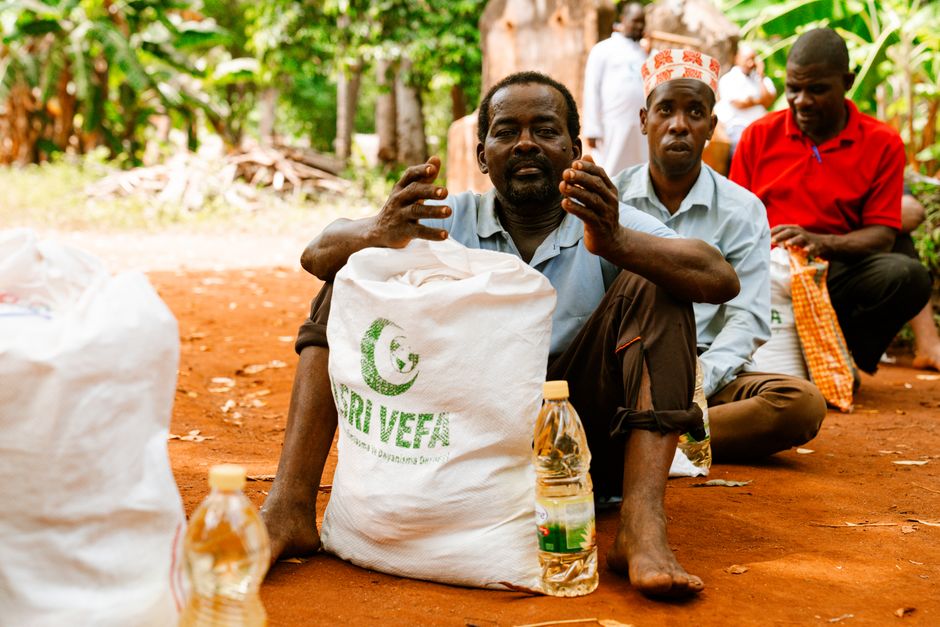
OUAGADOUGOU / WASHINGTON — The security situation in Burkina Faso has reached a critical juncture, drawing grave concern from international observers, the United Nations, and human rights organizations. Persistent insurgencies linked to extremist groups have displaced hundreds of thousands of civilians, exacerbating food insecurity and straining fragile regional infrastructure across the Sahel.
Diplomatic efforts led by the Economic Community of West African States (ECOWAS) and international partners have faced significant hurdles as the military junta navigates complex security partnerships. Analysts note that the withdrawal of traditional Western military support has left a vacuum, prompting the government to seek alternative security arrangements that have drawn international scrutiny.
Humanitarian agencies report severe access restrictions in conflict-affected northern and eastern provinces, where populations face critical shortages of medical supplies, clean water, and nutritional aid. The United Nations has repeatedly called for unhindered humanitarian access and increased international financial support to avert a catastrophic famine in the region.
'The humanitarian crisis in Burkina Faso is compounded by a volatile security environment that threatens regional stability,' said a senior UN humanitarian coordinator. 'Without immediate, coordinated international intervention and robust diplomatic engagement, the suffering of vulnerable civilian populations will only intensify.'
Key Highlights
- Militant insurgencies in Burkina Faso drive mass civilian displacement and food insecurity.
- Military authorities navigate complex regional alliances following shifts in foreign policy.
- United Nations calls for urgent, unhindered humanitarian access across conflict zones.
The unfolding crisis in Burkina Faso highlights the fragility of governance in the Sahel and underscores the urgent need for comprehensive international strategies addressing both root causes of conflict and immediate humanitarian necessities.


