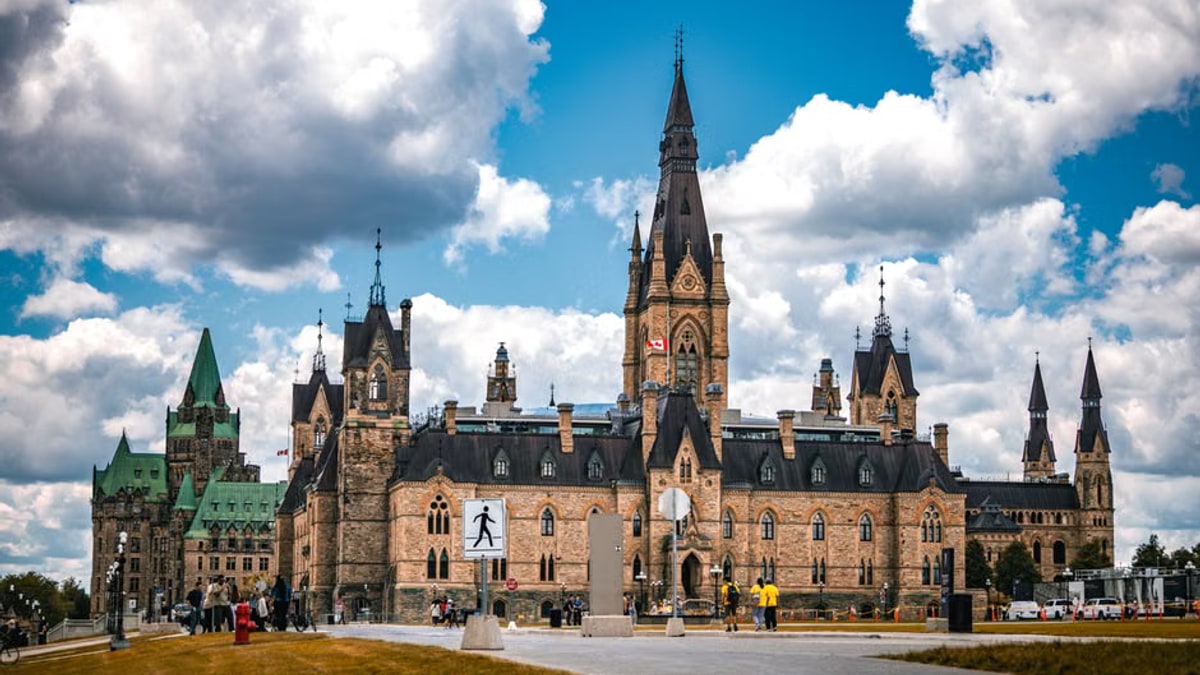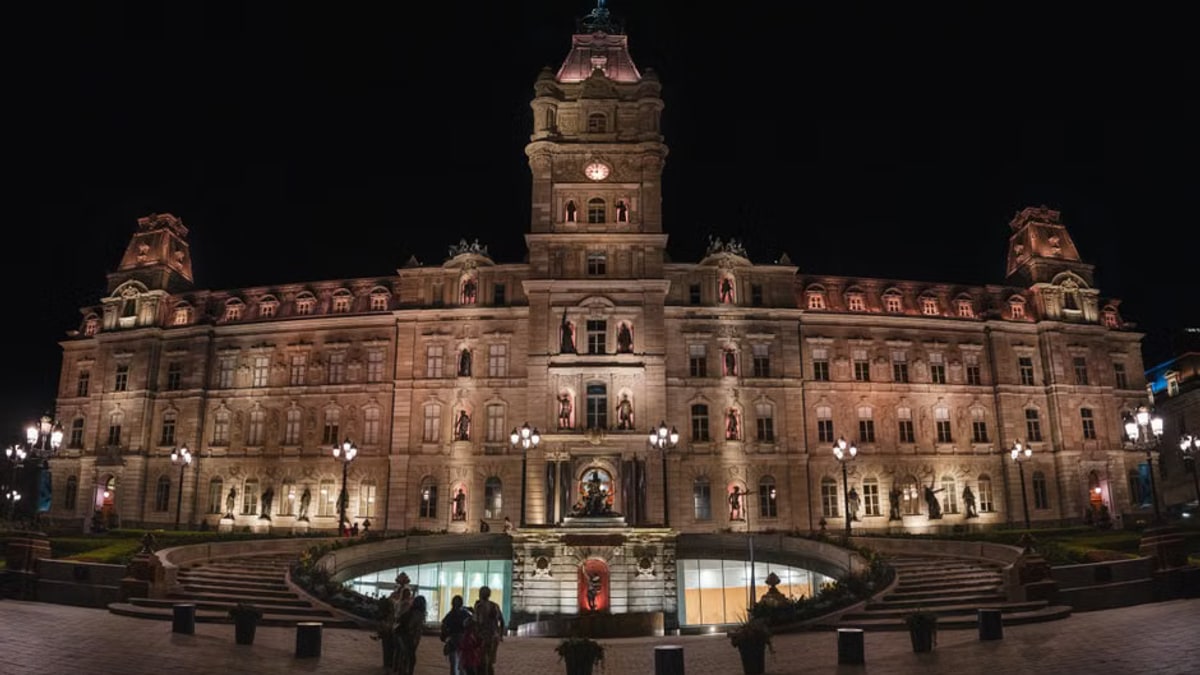
Voters across multiple Canadian municipalities have turned out in force to cast ballots in high-stakes local elections that center heavily on housing affordability, municipal infrastructure expansion, and regional public safety. These local contests, often overshadowed by federal and provincial politics, have taken on renewed significance as rapid urban growth puts unprecedented pressure on city services and municipal budgets.
Observers note that the discourse during these campaigns heavily featured debates over zoning laws, transit integration, and property tax adjustments to support sustainable development. Incumbents and challengers alike faced tough questioning regarding their concrete plans to alleviate the ongoing housing crisis affecting working-class families and young professionals alike.

Political analysts suggest that the outcomes in these metropolitan and suburban municipalities will serve as a vital bellwether for broader provincial and federal political alignments. Local leaders now face the formidable challenge of translating ambitious campaign promises into actionable, fiscally responsible policies that meet the immediate needs of their constituents.
Key Highlights
- High voter engagement observed across major urban and suburban districts.
- Housing affordability and transit infrastructure dominated the electoral debate.
- Results anticipated to influence broader provincial political trajectories.

As newly elected officials prepare to take office, municipal councils must immediately address pressing infrastructural deficits while maintaining fiscal discipline amid economic headwinds.