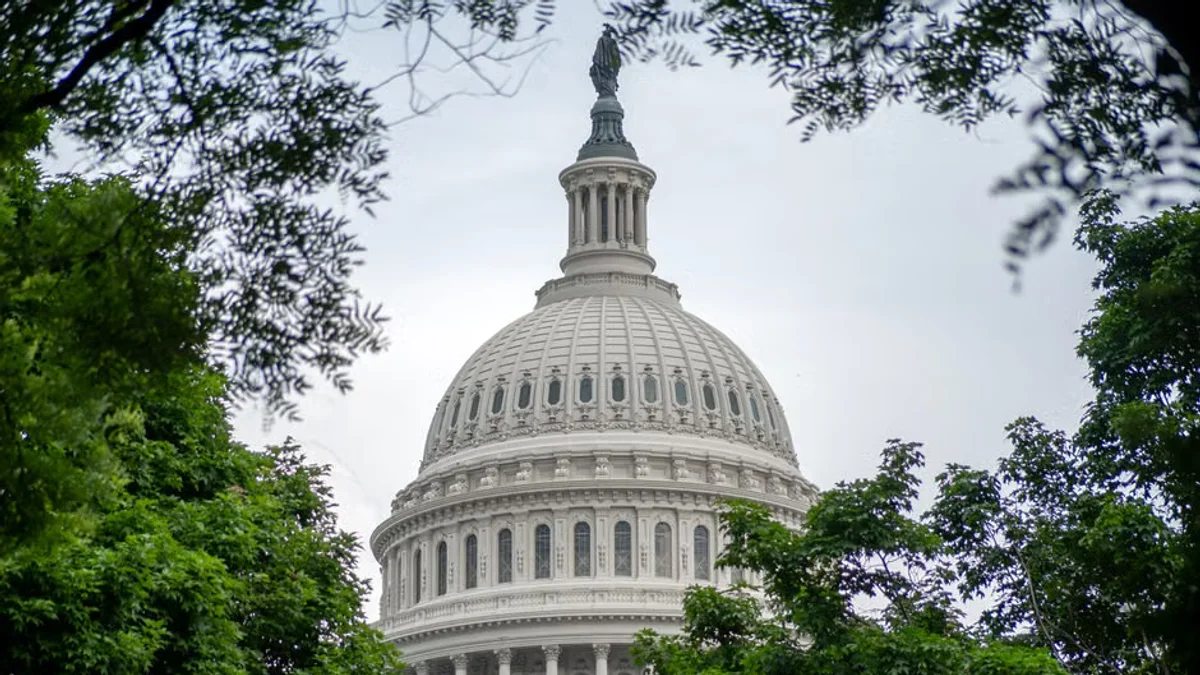
A wave of bipartisan condemnation has emerged across Ottawa following renewed commentary from American political figures suggesting Canada could be absorbed as the fifty-first U.S. state. Canadian Prime Minister and opposition leaders alike forcefully reiterated the nation's sovereign independence, cultural distinctiveness, and robust economic standing on the global stage.
Political scientists note that while such remarks are frequently dismissed as hyperbolic rhetoric, they periodically inflame cross-border sensitivities regarding trade agreements, defense spending, and border security. Canada remains the United States' largest trading partner and a crucial ally within NATO and NORAD frameworks.

Trade associations and economic experts on both sides of the border have underscored the deep integration of supply chains, particularly in automotive, energy, and agriculture sectors. Maintaining a stable, cooperative bilateral partnership continues to be vital for continental security and mutual prosperity.
Key Highlights
- Bipartisan Canadian political leaders firmly reaffirm national sovereignty and independence.
- Cross-border trade integration and security alliances remain critical pillars of bilateral relations.
- Analysts emphasize the distinction between political rhetoric and substantive economic cooperation.

Despite occasional friction in public discourse, diplomatic channels between Washington and Ottawa continue to prioritize collaborative approaches to shared continental challenges.