
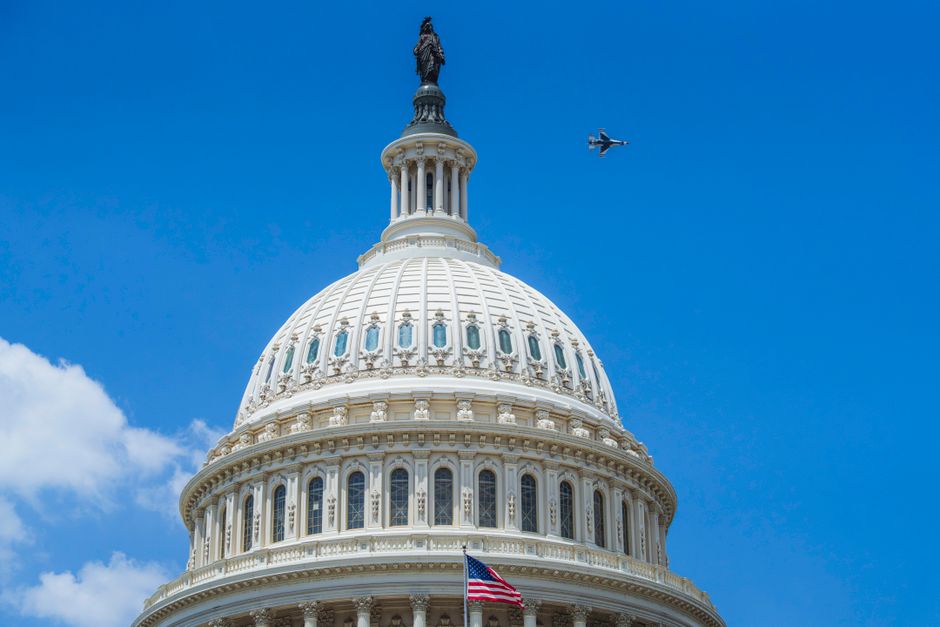
WASHINGTON — Renewed legislative scrutiny has thrust the issue of congressional stock trading back into the national spotlight, as a coalition of lawmakers from both sides of the aisle pushes for comprehensive bans on members trading individual equities. Critics argue that access to non-public information regarding regulatory shifts, corporate inquiries, and defense contracts creates an inherent conflict of interest that undermines public trust in democratic institutions.
The debate over the STOCK Act reforms has gained significant traction amid recent disclosures highlighting substantial portfolio gains by several high-ranking officials. While proponents of a ban emphasize the necessity of absolute transparency and ethical integrity, opponents and hesitant members have raised questions regarding implementation, enforcement mechanisms, and whether such restrictions might deter qualified individuals from seeking public office. Nevertheless, grassroots pressure and watchdog organizations continue to mobilize, demanding immediate legislative action to close existing loopholes and restore institutional accountability.
Key Highlights
- Bipartisan pressure mounts for a comprehensive ban on congressional stock trading.
- Critics highlight inherent conflicts of interest regarding non-public legislative information.
- Debate persists over enforcement mechanisms and the scope of asset restrictions.
As public demand for strict ethics reform intensifies, the future of these proposed legislative measures remains a critical test of accountability for federal lawmakers ahead of upcoming electoral cycles.


