
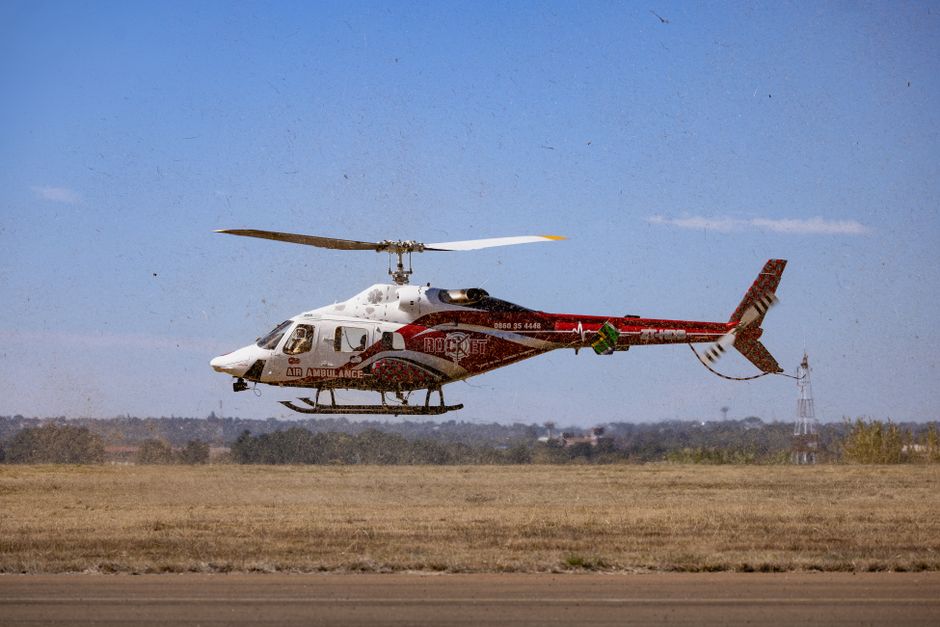
Recent evaluations of emergency air medical transport infrastructure have revealed systemic vulnerabilities that disproportionately affect remote and rural populations. The comprehensive review underscores persistent challenges regarding fleet modernization, pilot retention, and logistical coordination across vast geographical territories.
Healthcare advocates and emergency medical professionals have long warned that outdated equipment and staffing shortages directly compromise patient outcomes during critical golden-hour windows. In response, regional legislatures are reviewing proposals to inject substantial capital funding into aeromedical operations, prioritizing advanced avionics and expanded coverage radii.
Furthermore, supply chain bottlenecks for specialized aerospace components have compounded maintenance delays, forcing some providers to curtail non-essential operational readiness. Federal regulators are now working alongside provincial authorities to establish standardized interoperability protocols, ensuring seamless coordination during multi-agency disaster responses.
Key Highlights
- Federal audit reveals disparities in rural versus urban aeromedical response times.
- Staffing shortages and aircraft maintenance backlogs constrain operational capacity.
- Legislators propose targeted funding injections to modernize emergency aviation fleets.
Addressing these foundational weaknesses is paramount for safeguarding public health infrastructure against future systemic shocks and extreme weather events.


