
Diplomatic channels across Europe and the Middle East are experiencing renewed urgency as peace talks regarding the partitioned island of Cyprus reach a critical juncture. International mediators, backed by United Nations oversight, are facilitating high-level discussions aimed at bridging decades-long divides between Greek Cypriot and Turkish Cypriot leadership.
The current diplomatic push is heavily influenced by broader geopolitical recalibrations in the Eastern Mediterranean. Competing claims over offshore natural gas reserves, maritime boundaries, and regional security frameworks have elevated the strategic importance of stabilizing the island. European Union officials have reiterated that a comprehensive settlement is vital not only for regional stability but also for unlocking deeper cooperative frameworks between Brussels and Ankara.
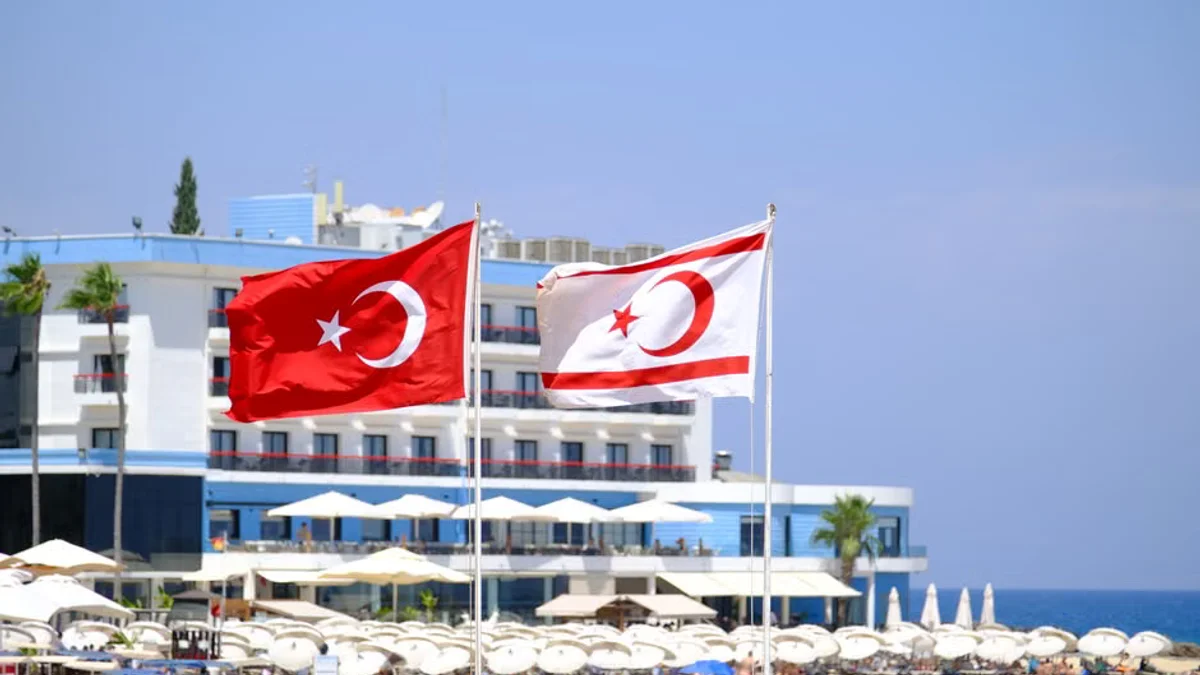
Despite cautious optimism from select negotiating desks, core disagreements persist regarding governance structures, security guarantees, and property restitution. Critics of previous diplomatic frameworks point to historical intransigence as a primary hurdle, yet proponents argue that shifting global economic realities provide a compelling incentive for compromise.
Global geopolitical analysts are closely monitoring the situation, noting that any breakthrough in Cyprus could serve as a vital precedent for resolving other intractable territorial disputes. As technical committees work through complex legal and administrative details, the international community maintains vigilant oversight to ensure momentum is not lost.
Key Highlights
- UN-backed talks on Cyprus enter a sensitive and critical diplomatic phase.
- Offshore energy reserves and maritime security amplify regional stakes.
- EU officials stress the necessity of a unified governance framework.
The coming weeks will determine whether sustained international pressure can overcome longstanding political polarization in the region.