
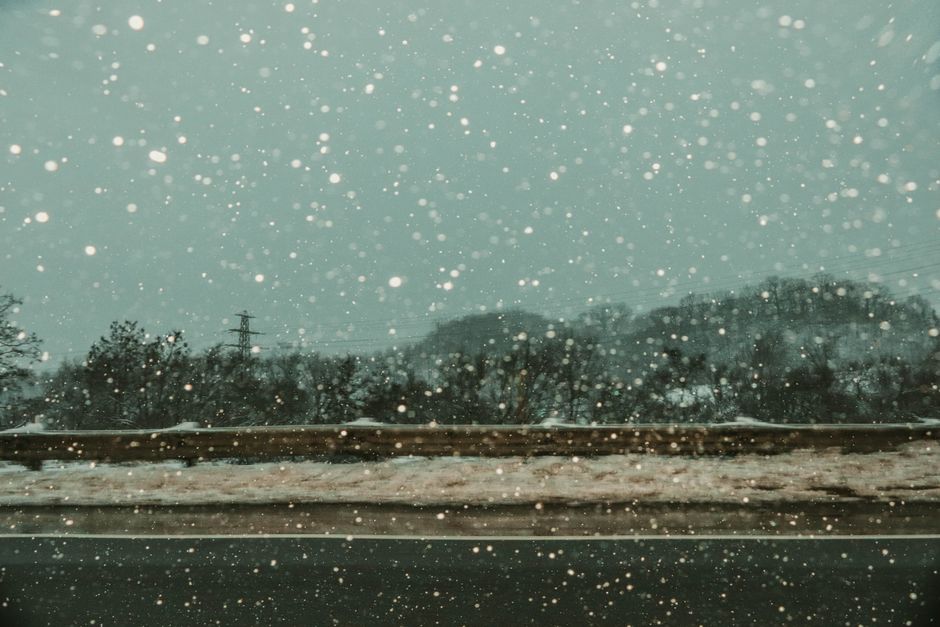
Climatologists and meteorological agencies across the globe have raised alarms over a complex atmospheric interaction between prevailing El Nino conditions and an unstable polar vortex. This rare meteorological alignment is projected to cause severe winter weather disruptions, featuring sudden and drastic temperature drops, heavy snowfall, and unprecedented storm systems across North America and parts of Europe.
Energy infrastructure operators and government emergency planners are scrambling to fortify power grids against potential surge demands and sub-zero temperatures. The last comparable weather anomalies led to widespread power outages and significant economic losses, prompting utilities to stockpile emergency fuel reserves and enhance grid resilience.
Environmental scientists emphasize that these extreme weather patterns are increasingly exacerbated by broader global climate change trends, which amplify the volatility of atmospheric jet streams. The disruption of the polar vortex can trap cold arctic air over populated industrial regions for weeks at a time, crippling transportation networks and supply chains.
As winter approaches, authorities are urging citizens to prepare for emergency contingencies, while international meteorological networks continue to monitor real-time satellite telemetry to track the trajectory of the destabilized vortex.
Key Highlights
- El Nino conditions combine with polar vortex destabilization to threaten severe winter weather.
- Energy grid operators prepare for massive demand spikes and potential outages.
- Climate experts highlight the growing volatility of jet streams due to global warming.
Proactive emergency preparedness and robust infrastructure investments will be essential in mitigating the socioeconomic impacts of these impending extreme weather events.


