
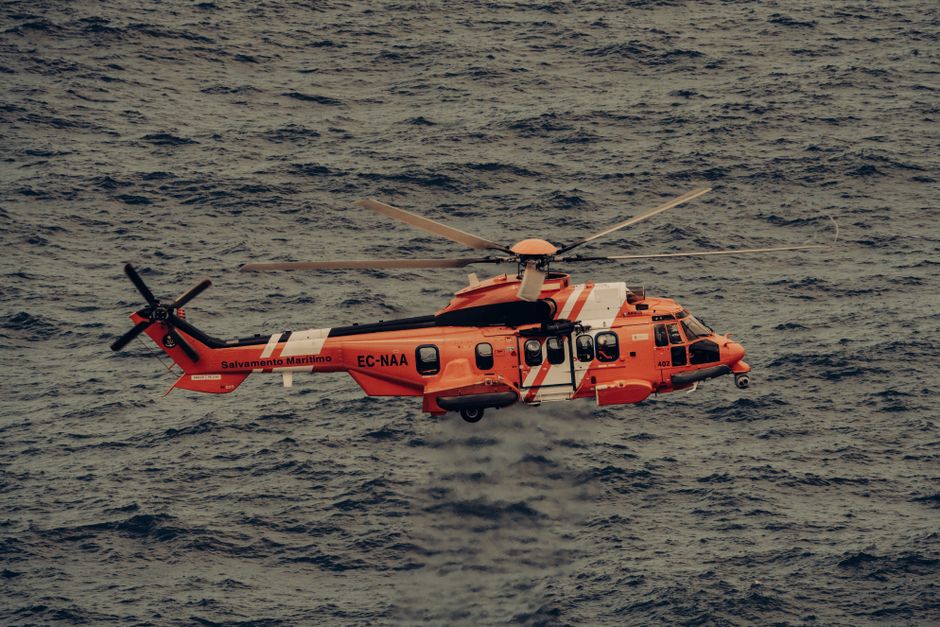
A high-priority search and rescue operation has been launched off the eastern coast of Canada, involving coordinated efforts from military aircraft, coast guard vessels, and specialized emergency medical transport teams. The operation commenced following reports of an overdue aircraft or maritime vessel operating in volatile weather conditions characteristic of the North Atlantic.
Search coordinators have expanded the geographical perimeter to account for strong ocean currents and unpredictable wind patterns that complicate tracking efforts. First responder agencies are working around the clock, utilizing advanced radar technology, thermal imaging, and sonar equipment to maximize the probability of locating survivors.
The incident has once again highlighted the inherent dangers associated with remote aviation and maritime navigation in northern waters. Federal transportation safety boards have confirmed they will initiate a preliminary review once search and rescue phases transition into investigative protocols.
Key Highlights
- Joint Rescue Coordination Centre deployed specialized aircraft and marine vessels.
- Adverse weather and rough seas pose significant operational hurdles for rescue crews.
- Federal authorities continue to monitor the situation and coordinate inter-agency resources.
As the search continues into its critical phase, public safety officials have urged restraint and reliance on official updates from authorized government channels.


