
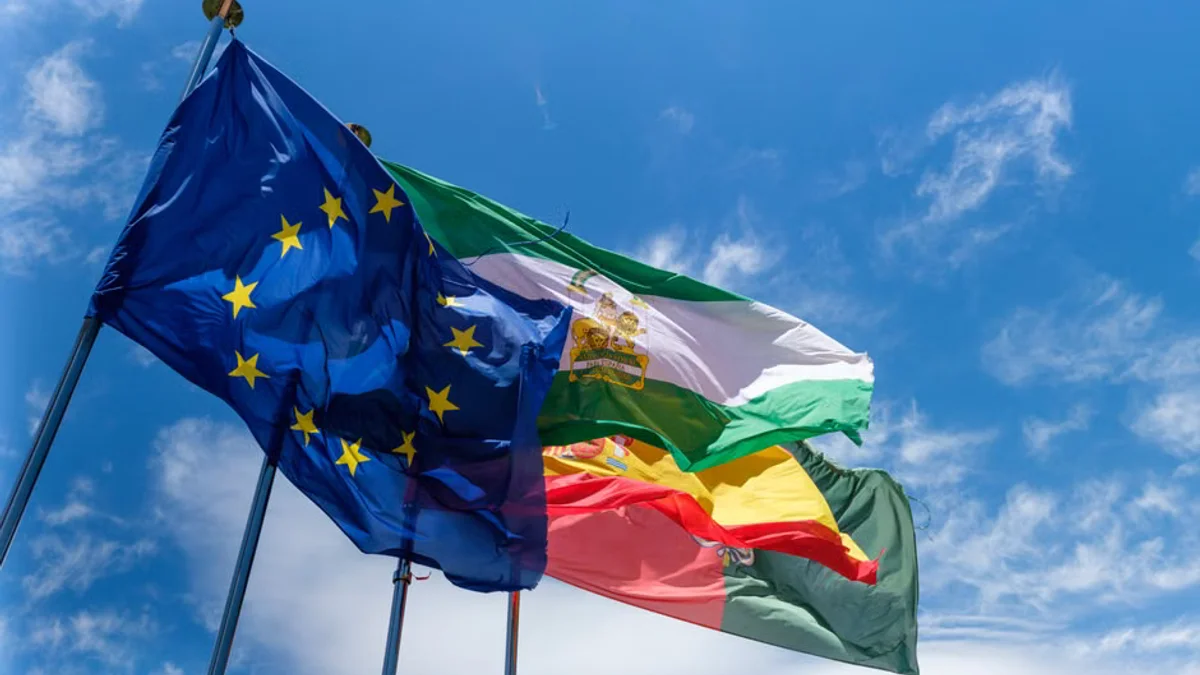
In a move to rebalance its economic relationship with the world's second-largest economy, the European Union has entered into intensive trade discussions with Beijing. The primary objective is to narrow the significant trade deficit that has persisted for years, exacerbated by what Brussels describes as unfair market practices and state-sponsored industrial subsidies.

European officials are pushing for greater reciprocity, demanding that Chinese markets be opened to European firms on the same terms that Chinese companies enjoy within the EU. The negotiations also touch upon sensitive issues such as green technology, electric vehicle imports, and intellectual property rights, which have become flashpoints in recent geopolitical discourse.
Key Highlights
- EU seeks to address the structural trade imbalance with China.
- Talks cover market access, industrial subsidies, and fair competition.
- The outcome of these negotiations will influence future EU-China economic policy.
The success of these talks is critical for the EU’s 'de-risking' strategy, which aims to reduce economic dependency on China without fully decoupling. Both sides face pressure to reach an agreement that prevents a wider trade war while protecting domestic industries.