
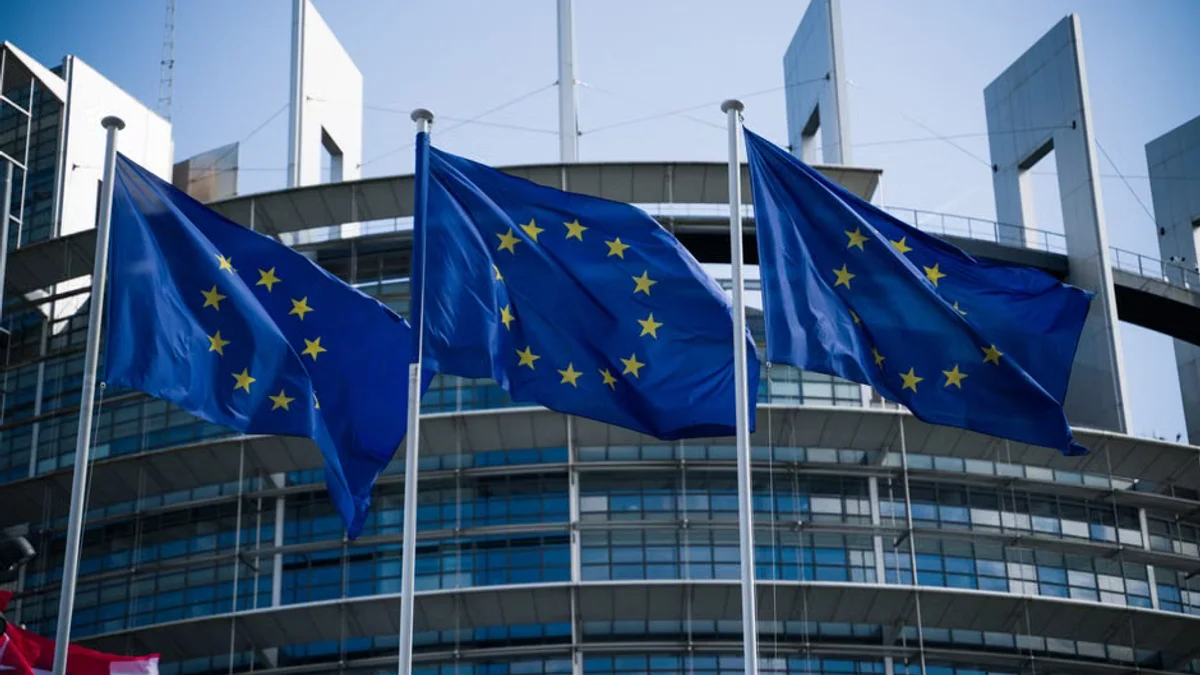
In what is being billed as a defining moment for European integration, the European Commission has formally thrown down the gauntlet with a sweeping proposal to fundamentally reform the bloc’s institutional machinery. Facing mounting global competition, economic fragmentation, and complex geopolitical realities, Brussels is pushing for aggressive structural overhauls designed to streamline decision-making and enhance unity among member states.
The comprehensive reform blueprint targets long-standing institutional bottlenecks, including the cumbersome unanimity voting requirements in foreign policy and tax harmonization. By advocating for expanded qualified majority voting, the Commission aims to prevent individual member states from paralyzing critical EU-wide legislation. Additionally, the proposal outlines modernized fiscal frameworks, enhanced industrial policy coordination, and robust investments in strategic autonomy, spanning green energy transition and semiconductor manufacturing.
Reaction from European capitals has been sharply divided, mirroring the eternal tension between federalist integrationists and defenders of national sovereignty. While larger economies like Germany and France have expressed cautious support for modernizing EU governance, several smaller member states have voiced deep skepticism regarding the potential erosion of national veto powers. Intense negotiations are expected to dominate upcoming European Council summits as leaders grapple with the future shape of the union.
As the EU strives to maintain its global relevance alongside superpowers like the United States and China, the outcome of this reform push will determine whether the bloc can act decisively on the world stage or remain mired in internal compromise. The stakes could not be higher for the future of European democracy and economic prosperity.
Key Highlights
- The European Commission proposed a sweeping overhaul to reform the bloc's governance and decision-making.
- Proposals include reducing unanimity voting requirements to prevent legislative stalemates.
- The roadmap emphasizes strategic autonomy, economic competitiveness, and industrial policy coordination.
- Member states remain divided over the balance between EU-level integration and national sovereignty.
This bold institutional reform effort represents a critical test of Europe's political will to adapt and thrive in a rapidly shifting global order.