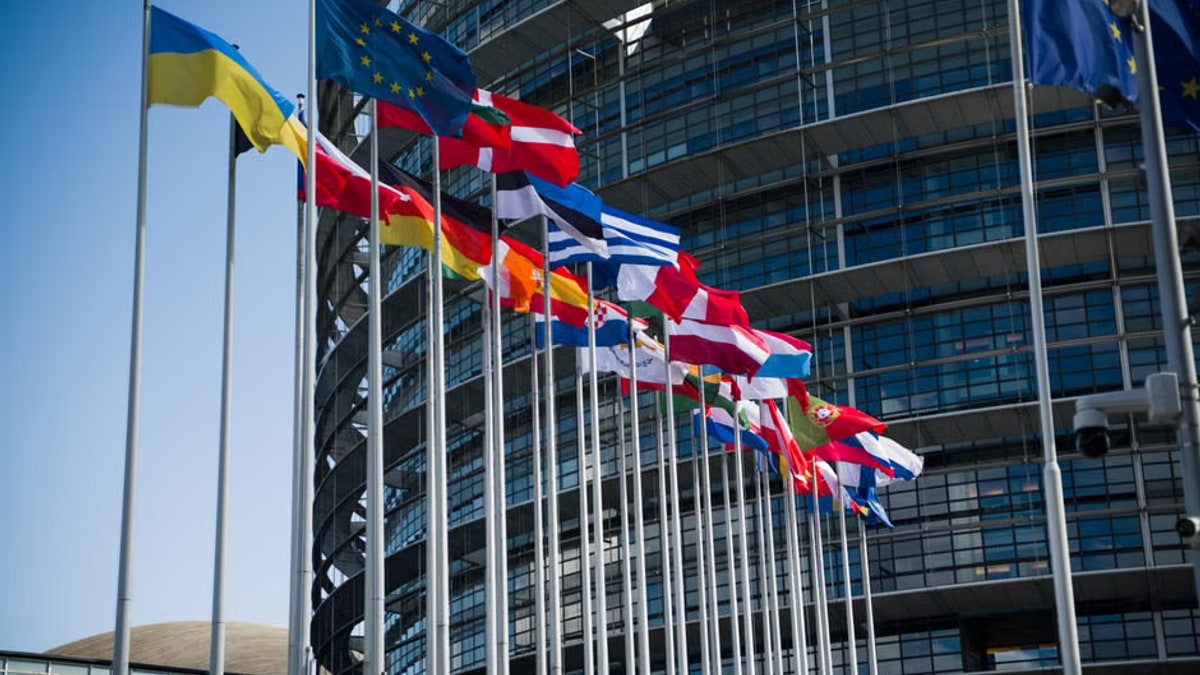
A high-stakes European Union summit in Brussels has concluded without a breakthrough on the bloc's multi-year financial framework, casting serious doubt on the implementation timeline for vital economic and strategic programs. Despite hours of intense diplomatic negotiations behind closed doors, member states remained deeply divided over spending allocations, defense contributions, and aid packages for eastern neighbors.
Net contributor nations pushed for strict fiscal discipline and reduced overall expenditure, while cohesion countries argued that increased investment is essential to support infrastructure modernization and green transition targets. The lack of consensus highlights the growing political friction within the European Council as populist pressures and domestic economic headwinds constrain national leaders' flexibility.

Financial analysts note that a prolonged budget stalemate could freeze critical funding for regional development, technological innovation, and cross-border security initiatives. Furthermore, delays in approving the budgetary timeline complicate the EU's ability to respond collectively to emerging geopolitical crises and macroeconomic challenges.
European Commission President urged member governments to bridge their differences ahead of the next extraordinary council meeting, emphasizing that unity remains paramount in maintaining the bloc's global economic standing. However, stubborn national interests continue to impede smooth legislative progression.
Key Highlights
- EU summit ends without an agreement on the multi-year budget framework.
- Deep divisions persist between net contributors and cohesion fund recipients.
- Delay threatens funding for green transition, defense, and regional projects.
- Brussels officials call for renewed compromise ahead of upcoming emergency talks.
The diplomatic gridlock underscores the inherent complexities of governing a diverse 27-nation economic bloc amidst shifting geopolitical landscapes.