
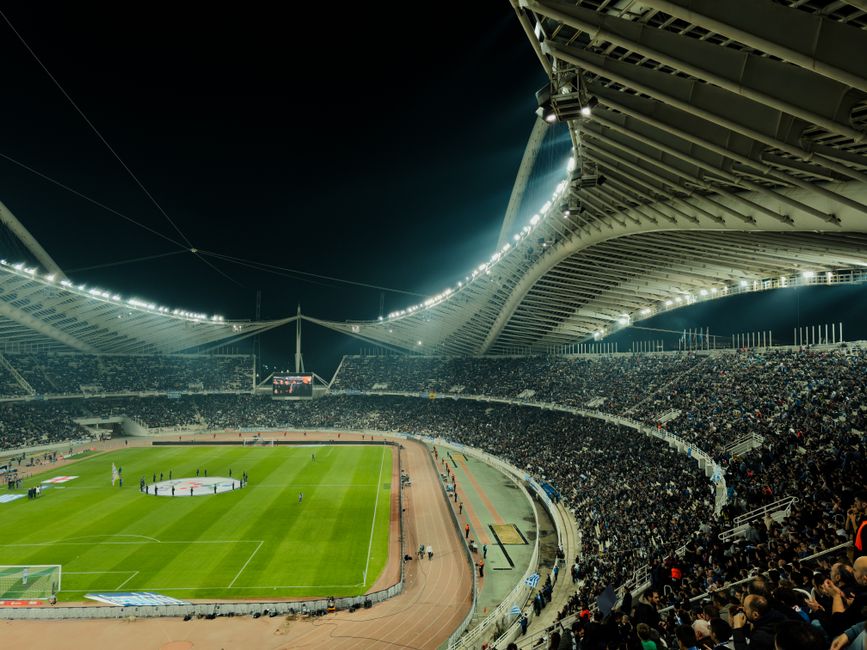
International sporting fixtures within the European sphere frequently transcend the boundaries of mere athletic competition, serving as barometers of cultural exchange and soft power projection. The fierce rivalry and competitive encounters between national teams such as Spain and Croatia capture the attention of millions of fans, politicians, and diplomats across the continent. These matches underscore the deep integration and spirited competition characteristic of modern European society.
From Madrid to Zagreb, municipal authorities and national sports federations leverage these high-profile events to promote tourism, foster international cooperation, and reinforce European solidarity. Sports economists point out that broadcasting rights and tourism influxes generated during international tournament stages provide substantial economic stimuli for host cities and participating nations alike. Furthermore, athletes serve as cultural ambassadors, representing their respective countries on the global stage amidst complex geopolitical backdrops.
In parallel, European Union sports directorates continue to collaborate on regulatory standards concerning player welfare, financial fair play, and anti-corruption measures within football governance. As matches between elite nations draw unprecedented television audiences worldwide, the administrative structures supporting international sports face mounting pressure to ensure transparency and inclusivity.
Key Highlights
- Spain and Croatia face off in high-stakes European international football action.
- Sporting events serve as instruments of cultural diplomacy and tourism growth.
- EU sports bodies emphasize financial governance and player welfare standards.
The enduring appeal of these continental showdowns highlights the unique capacity of sport to unite diverse populations while celebrating national heritage.


