
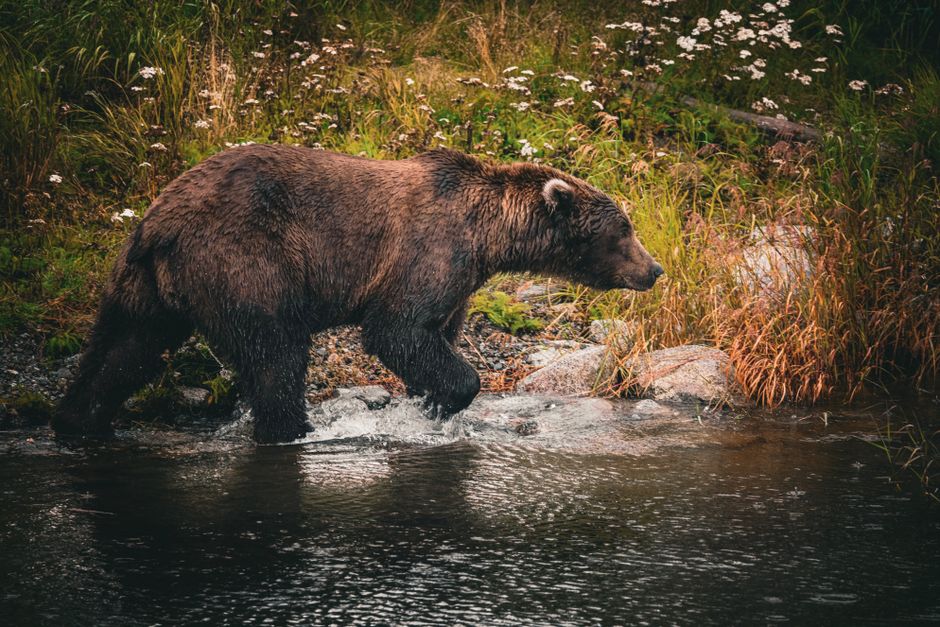
ANCHORAGE — What began as a localized public engagement initiative by Katmai National Park and Preserve in Alaska has transformed into a massive global phenomenon known as Fat Bear Week. Millions of internet users worldwide eagerly participate in the tournament-style voting, which pits heavyweight brown bears against one another based on their dramatic seasonal weight gain before winter hibernation.
Environmental scientists and park rangers stress that while the event is undeniably humorous and entertaining, it carries a profound conservation message. The bears' ability to consume massive amounts of nutrient-rich salmon serves as a direct indicator of a thriving, healthy ecosystem. A robust salmon run demonstrates that the surrounding river systems and forests are functioning properly, supporting vital biodiversity in the pristine Alaskan wilderness.
As climate change and environmental pressures threaten wildlife habitats globally, educational campaigns like Fat Bear Week play a crucial role in fostering public appreciation for nature. By connecting millions of people to individual wild animals through digital storytelling, the initiative successfully inspires advocacy for environmental protection and sustainable wildlife management.
Key Highlights
- Fat Bear Week engages millions of global digital voters in wildlife conservation awareness.
- The massive size of the bears highlights the health and abundance of Alaska's salmon-rich river ecosystems.
- The event demonstrates the power of creative public engagement in promoting environmental stewardship.
Ultimately, Fat Bear Week bridges the gap between scientific research and popular culture, proving that engaging storytelling can foster a deep, lasting commitment to protecting our natural world.


