
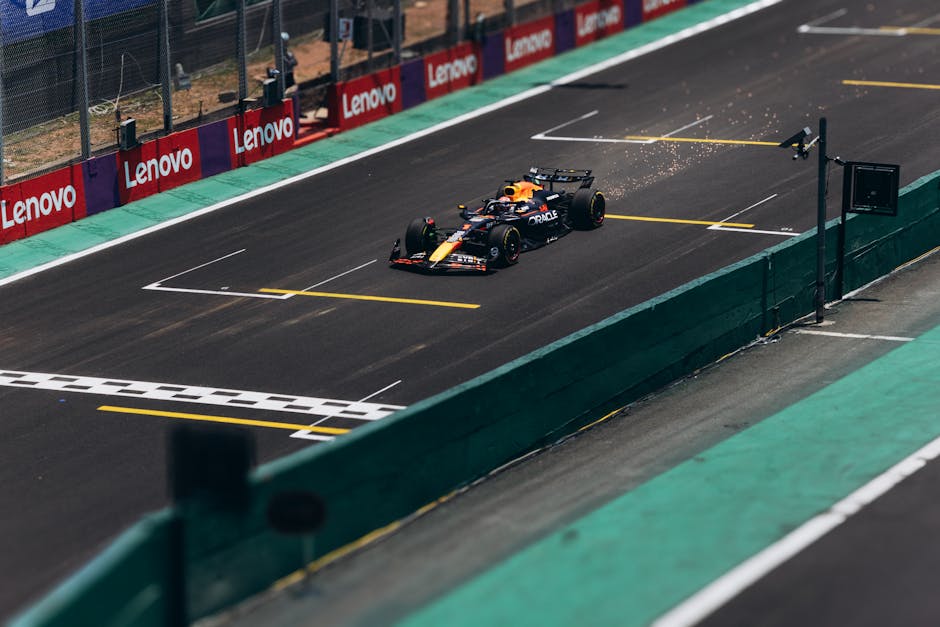
London — The global appeal of Formula 1 extends far beyond entertainment, functioning as a premier mobile laboratory for cutting-edge automotive technology, aerodynamics, and sustainable fuel research. Saturday qualifying sessions, where teams extract maximum performance from their machines within fractions of a second, showcase the pinnacle of engineering precision.
Industry experts highlight how innovations tested in the grueling F1 calendar frequently filter down into commercial electric and hybrid vehicle development, driving global advancements in energy efficiency and material science. The sport's strict cost cap regulations have further altered how teams allocate research and development budgets, emphasizing efficiency and intellectual capital.
As international constructors vie for supremacy across global circuits, the technical insights gained during qualifying continue to set benchmarks for the wider engineering sector.
Key Highlights
- Formula 1 acts as a testing ground for sustainable automotive technology and aerodynamics.
- Cost cap regulations mandate greater engineering efficiency among global constructors.
- Qualifying performance underscores the intersection of high finance, data analytics, and sport.
The relentless pursuit of speed and reliability ensures that Formula 1 remains at the absolute frontier of applied global engineering.


