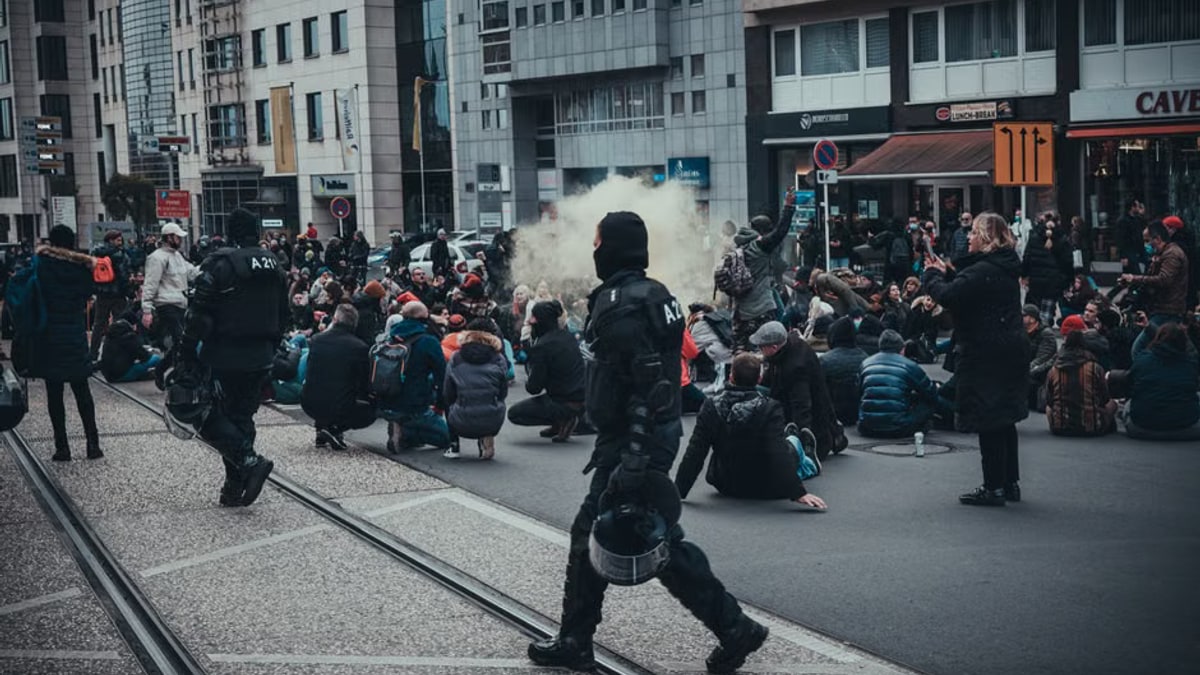
French law enforcement deployed tear gas and water cannons in major cities on Tuesday as high school and university students staged widespread protests against proposed educational reforms. The demonstrations, which paralyzed transit lines and blocked dozens of campuses, reflect deep-seated discontent with government spending cuts and institutional policy changes.
Protesters argue that the planned reforms will undermine public education quality and limit access to higher education opportunities for working-class families. Tensions escalated rapidly outside several institutions in Paris, Lyon, and Marseille, where minor clashes broke out between riot police and demonstrators throwing projectiles and setting off smoke flares.
Government officials condemned the violence while defending the necessity of the reforms, emphasizing that modernization is critical to maintaining the global competitiveness of France's academic institutions. Interior Ministry representatives reported numerous arrests and several minor injuries among security personnel and protesters alike.
The protests pose a significant political challenge for the administration, arriving on the heels of previous labor strikes and widespread pension reform unrest. European observers note that France's current climate of civil disobedience highlights broader governance difficulties facing eurozone nations as they navigate post-inflationary economic pressures.
Key Highlights
- French police use tear gas and water cannons to disperse student protesters.
- Demonstrations erupt over proposed educational reforms and budget cuts.
- Transit and campus blockades cause widespread disruption in major cities.
- Government defends modernization policies amid rising political tensions.
As student organizations call for continued mobilization, authorities remain on high alert, anticipating further demonstrations across the nation in the coming days.