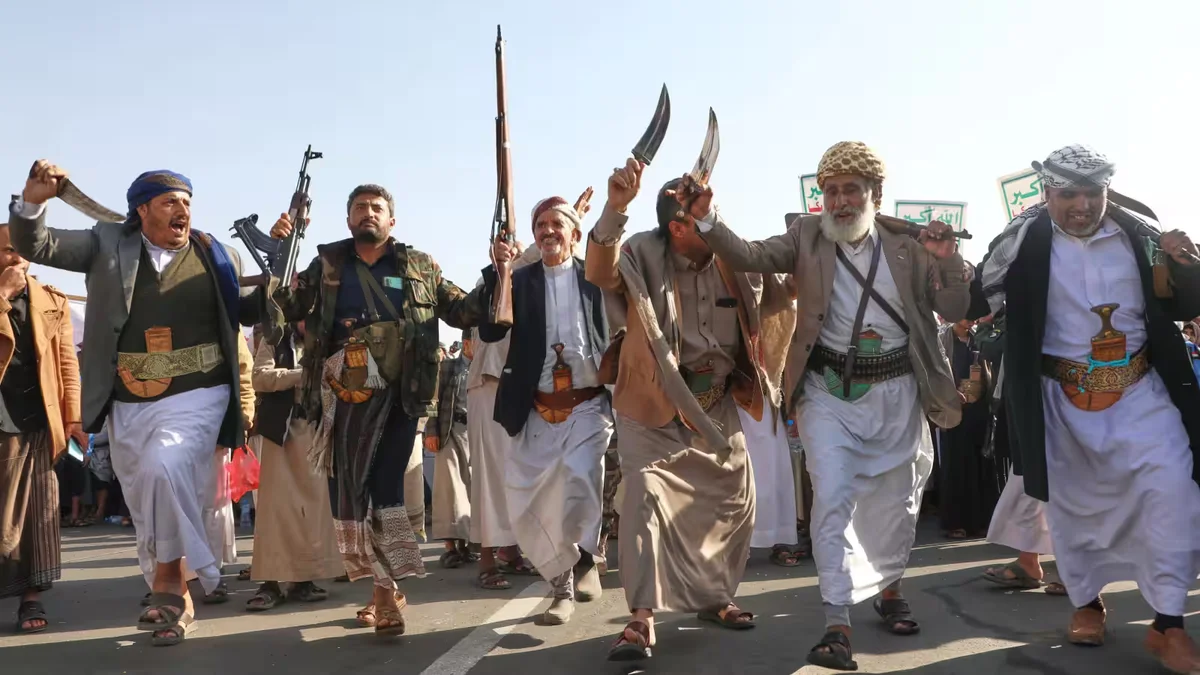
The geopolitical landscape in the Middle East deteriorated sharply on Wednesday as Houthi forces launched a high-profile attack directed at the Saudi capital, Riyadh. The strike, intercepted by regional defense systems according to initial reports, underscores the expanding theater of war involving regional proxies and international maritime corridors. The assault comes at a critical juncture as global diplomats race to contain a widening conflict that threatens energy supplies and international trade routes.
In Washington, the resurgence of heavy fighting has forced renewed policy debates regarding the United States' military posture and diplomatic strategy. White House officials are closely monitoring the situation as President Trump evaluates potential U.S. responses to the mounting drone and missile barrages. Energy markets reacted immediately to the developments, with international crude benchmarks spiking amid fears of a prolonged supply disruption in the Persian Gulf.

Defense analysts warn that the inclusion of deeper strikes on core regional infrastructure signals a calculated escalation by militant groups backed by Iran. Saudi officials have condemned the aggression, reiterating their right to sovereign defense while coordinating closely with coalition partners to secure vital installations. Meanwhile, European allies have expressed deep alarm, calling for immediate de-escalation and a resumption of diplomatic channels to prevent a catastrophic regional conflagration.
Key Highlights
- Houthi forces target Riyadh with a fresh wave of aerial strikes.
- Crude oil prices surge globally amid fears of Persian Gulf supply bottlenecks.
- Washington weighs strategic military and diplomatic options in response to the escalation.

As the humanitarian and economic toll mounts, the international community faces mounting pressure to forge a sustainable ceasefire before the conflict metastasizes further across the region.