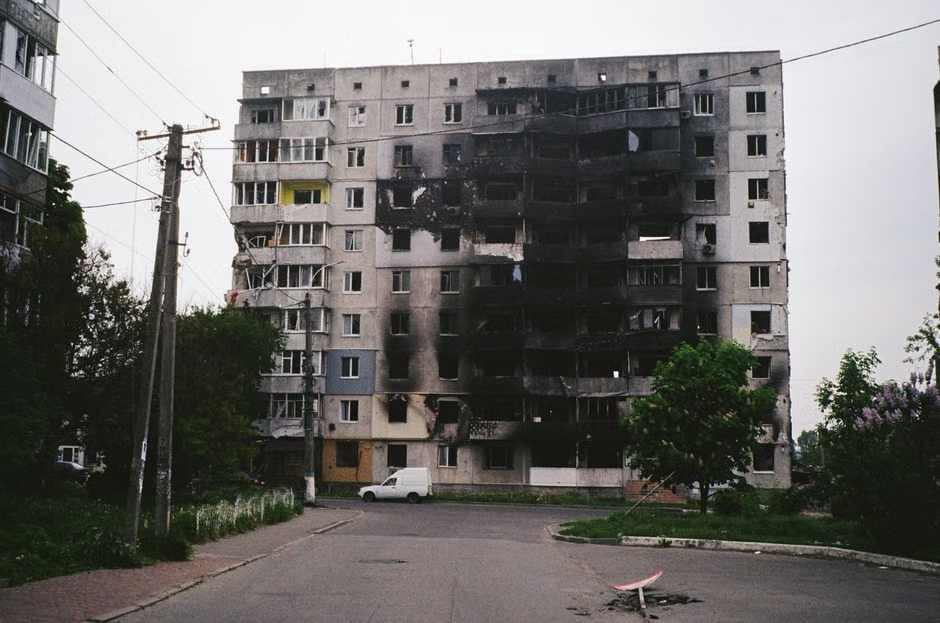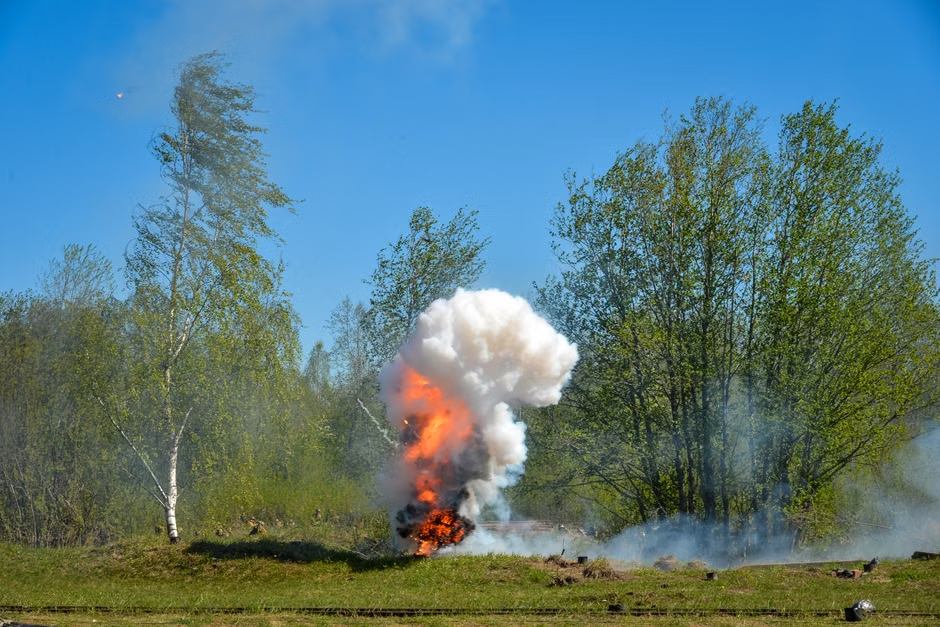
In the heart of Ukraine, Kyiv continues to display profound resilience as Russian military forces escalate systematic aerial campaigns aimed at destroying the city's critical municipal infrastructure. With targeted missile and drone strikes focusing heavily on power generation plants, transformer stations, and water heating facilities, daily life in the capital has transformed into an endurance test against engineered hardship.
Citizens navigate rolling blackouts, water supply interruptions, and freezing winter temperatures with remarkable organizational prowess. Neighborhood heating stations, known locally as 'points of invincibility,' have been established across the metropolis to provide citizens with warmth, electricity, and hot beverages during extended grid failures. Local businesses and residential committees have adapted by investing in decentralized generators, backup satellite internet terminals, and thermal insulation measures.

International observers and humanitarian organizations have condemned the deliberate targeting of civilian infrastructure as a violation of international humanitarian law designed to break the psychological resolve of the Ukrainian populace. However, interviews with local residents reveal an unyielding determination to maintain normalcy, continue professional operations, and support frontline defenders despite the immense psychological and physical toll.
Key Highlights
- Kyiv faces sustained aerial attacks targeting power grids and heating infrastructure.
- Community 'points of invincibility' provide citizens with emergency warmth and power.
- Residents rely on decentralized generators and strong mutual aid networks.
- Humanitarian groups condemn attacks on civilian infrastructure as violations of law.
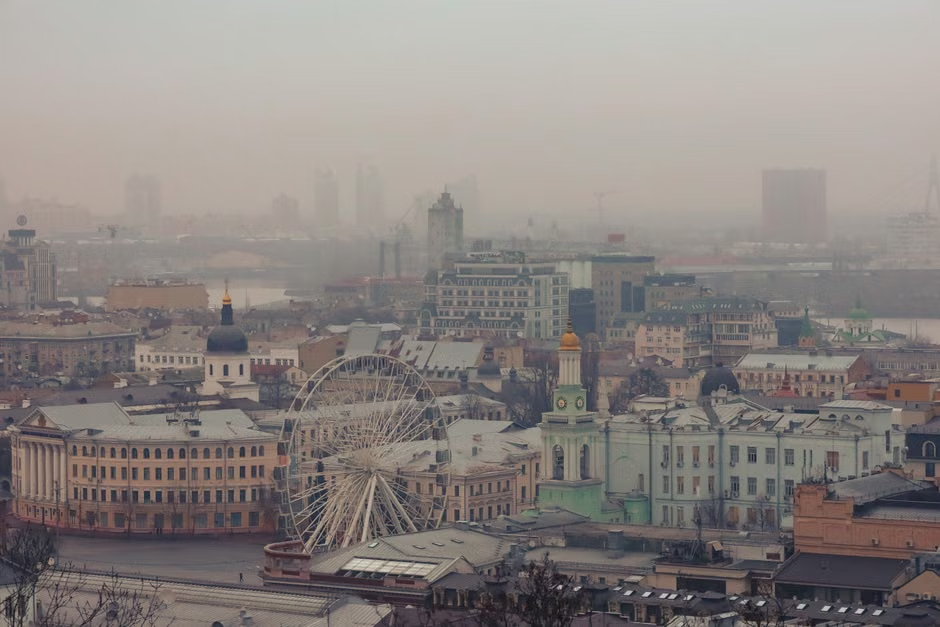
As the conflict persists through harsh seasonal challenges, Kyiv remains a testament to urban endurance, proving that civic spirit and mutual solidarity can withstand orchestrated efforts to render a major European capital unlivable.