Marking three years since the tragic events of October 7, 2023, Israeli society is once again confronting harrowing questions regarding national security failures. Recent investigative journalism and leaked intelligence assessments indicate that Prime Minister Benjamin Netanyahu and top security chiefs received explicit warnings concerning imminent large-scale militant infiltration prior to the attacks.
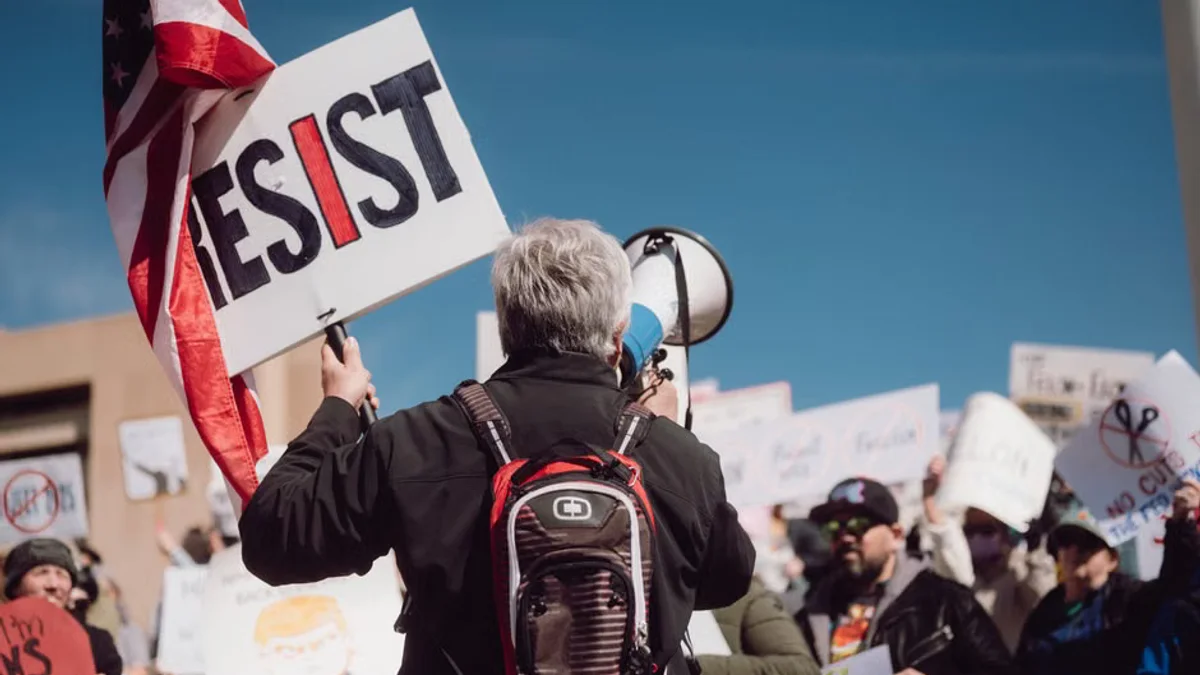
The revelations have intensified domestic political friction, fueling widespread protests and renewed calls for a comprehensive, independent state commission of inquiry. While political allies of the Prime Minister have contested the framing of the intelligence reports, opposition leaders and families of victims argue that critical warning signs were systematically ignored or mishandled by the political establishment.
The ongoing discourse highlights deep fractures within Israeli political and military leadership as the nation continues to navigate a multi-front regional war. International diplomats monitoring the situation emphasize that domestic accountability remains a vital component of Israel's long-term democratic stability and social healing.
As legal and political investigations proceed, the emotional toll on the Israeli public remains profound, with citizens seeking both security guarantees and institutional transparency.
Key Highlights
- New reports reveal prior intelligence warnings were delivered before the October 7 attacks.
- Revelations spark fierce domestic political debate and demands for a state inquiry.
- Deep political and societal fractures persist in Israel three years after the tragedy.
The quest for truth and institutional accountability underscores the complex and painful path ahead for Israeli governance and national security policy.