More than a year after the devastating events of October 7, Israeli society remains profoundly scarred, with public sentiment increasingly focused on the political future of Prime Minister Benjamin Netanyahu. Across the country, families of victims, displaced citizens, and reservists have intensified calls for accountability, questioning the long-term security architecture and intelligence failures that preceded the unprecedented assault.
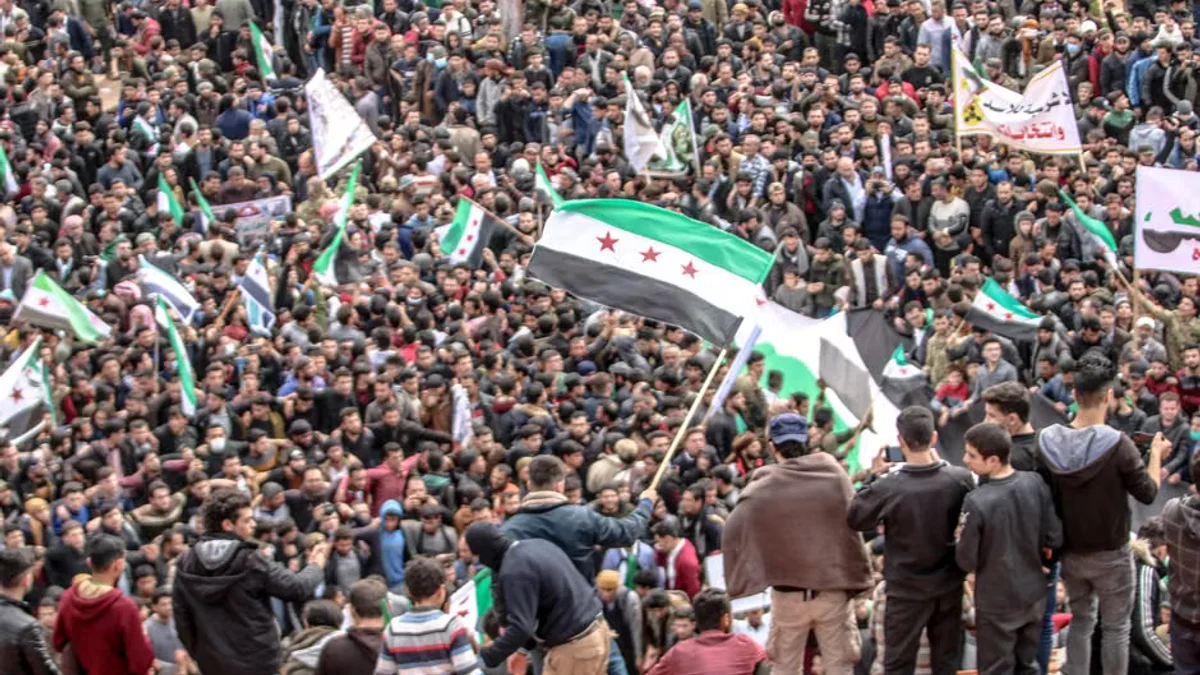
Opinion polls indicate persistent domestic friction as Netanyahu's coalition government navigates a multi-front military campaign and complex hostage negotiations. While right-wing factions maintain solid baseline support, a significant portion of the electorate demands early elections and a fundamental overhaul of national defense policy. Protests in Tel Aviv and Jerusalem continue to draw large crowds, reflecting deep ideological divisions over how the nation should govern its post-war future.
International diplomats closely monitor the domestic political landscape in Israel, recognizing that internal leadership stability directly impacts regional ceasefire talks, humanitarian aid distribution, and broader Middle East diplomacy. The ongoing clash between urgent security demands and democratic accountability remains a defining challenge for the nation.
Key Highlights
- Israeli citizens continue to debate Prime Minister Benjamin Netanyahu's political survival.
- Public pressure mounts over accountability for the October 7 security failures.
- Domestic political friction complicates ongoing regional ceasefires and diplomatic efforts.
As the conflict's geopolitical ramifications continue to unfold, Israel's democratic institutions face an unprecedented test of resilience and leadership validation.