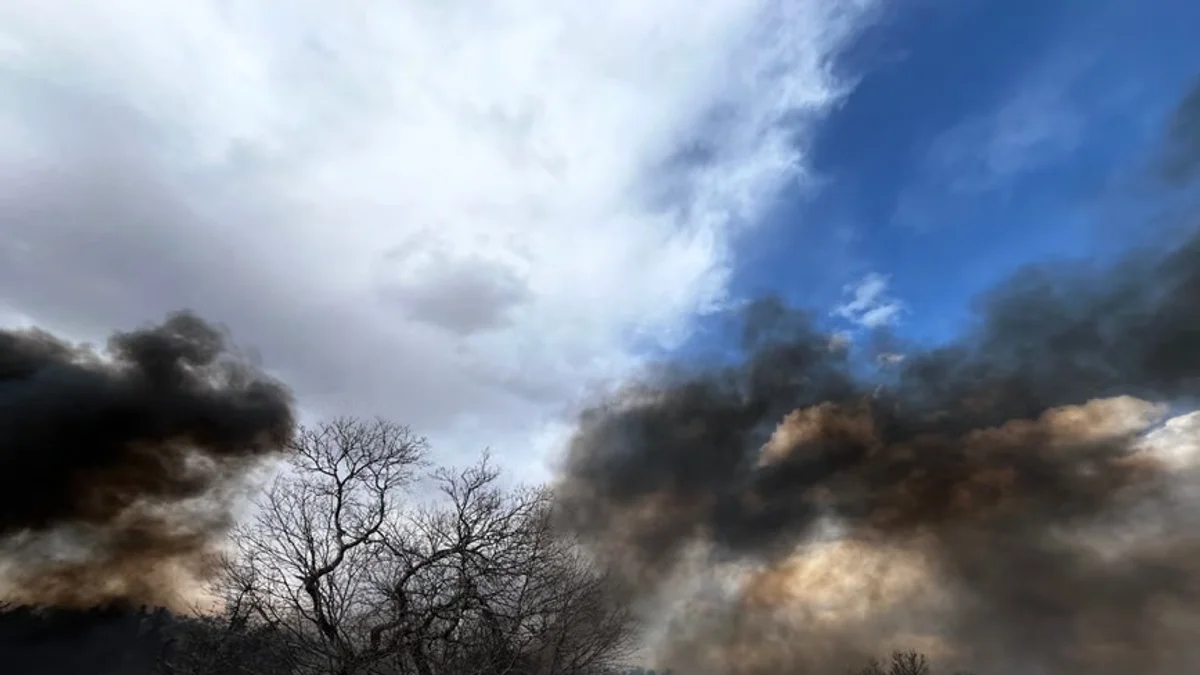
Singapore-listed agribusiness firm Kencana Agri Limited has been thrust into the regulatory spotlight following a high-stakes inquiry launched into a fire incident at one of its major operating subsidiaries. The corporate development, which has reverberated across regional commodities markets, highlights ongoing scrutiny regarding environmental safety, operational oversight, and corporate governance within Southeast Asia’s vital agricultural sectors.
According to preliminary filings with the Singapore Exchange (SGX), local authorities and environmental agencies have initiated a multi-faceted probe to determine the exact root causes of the blaze, its environmental footprint, and whether all mandated safety protocols were rigorously observed. Kencana Agri’s executive board has pledged absolute cooperation with investigators, issuing formal assurances that shareholder interests and environmental accountability remain top operational priorities.

Commodity analysts note that the inquiry comes at a delicate time for regional plantation companies, which face mounting pressures from international investors, sustainability watchdogs, and regulatory bodies to adhere strictly to zero-burning policies and advanced risk-management frameworks. Any findings of negligence or regulatory lapses could potentially impact the company's operational licenses, insurance payouts, and standing within sustainable palm oil supply chains.
As the investigation progresses, market participants are closely monitoring Kencana Agri’s upcoming financial disclosures to gauge potential material impacts on quarterly earnings and operational continuity. The case serves as a broader reminder of the operational vulnerabilities inherent in large-scale agricultural production and the unforgiving nature of modern corporate accountability standards in financial hubs like Singapore.
Key Highlights
- Kencana Agri faces formal regulatory inquiry over subsidiary fire incident.
- Singapore Exchange (SGX) monitors corporate transparency and compliance.
- Environmental agencies evaluate the ecological footprint and safety protocols.
- Investors watch for potential impacts on operational continuity and stock valuation.

Ultimately, the outcome of this inquiry will likely establish a crucial benchmark for how regional agribusinesses handle industrial crises and maintain investor trust in an increasingly eco-conscious global market.