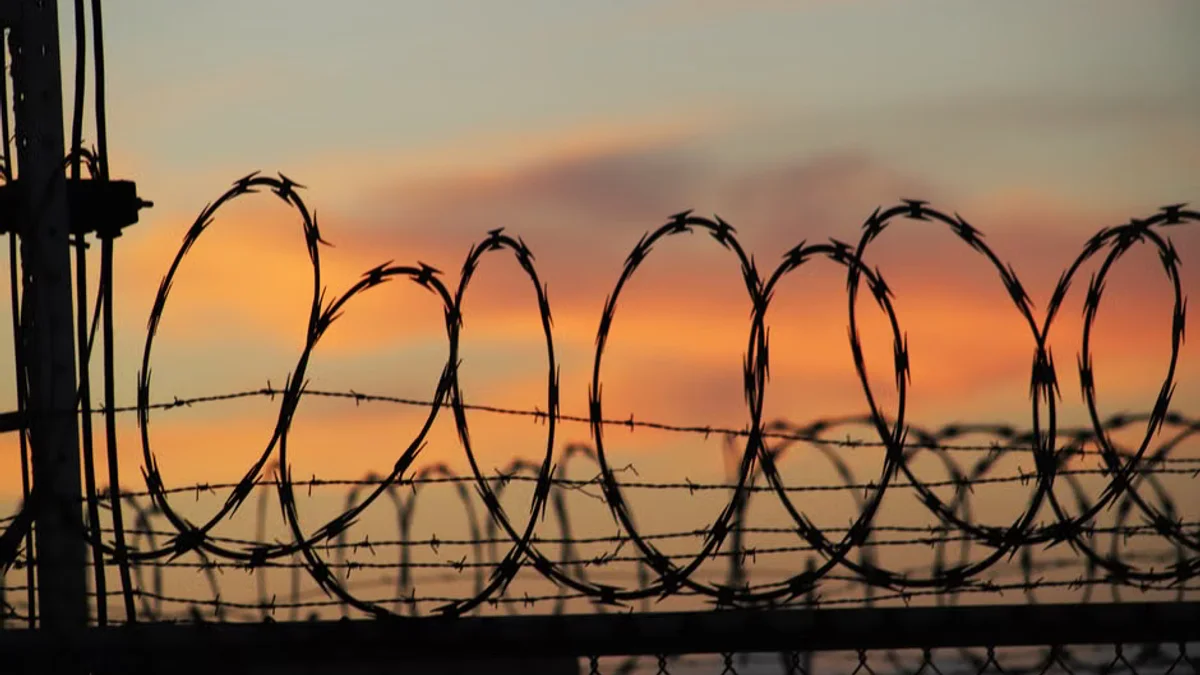
In a concerted effort to address complex regional migration and transnational crime, government officials from the United States and Mexico have announced the implementation of reinforced bilateral border security measures. The cooperative framework aims to streamline border processing, enhance intelligence sharing, and dismantle the sophisticated trafficking networks profiting from illicit crossings.
The new protocols involve increased coordination between U.S. federal agencies and Mexican security forces, focusing heavily on intercepting illicit fentanyl precursors and cracking down on human smuggling cartels. Both administrations emphasized that long-term stability along the frontier requires addressing the root economic and social drivers of migration through regional economic development.
'Border security cannot be achieved unilaterally; it requires deep, institutionalized cooperation between sovereign partners,' stated U.S. State Department spokesperson Claire Montgomery during a joint press briefing. 'Our partnership with Mexico remains vital to securing our borders while maintaining lawful trade and commerce.'
Business leaders and economists have welcomed measures that prioritize lawful commercial transit while curbing illegal activities, noting that the multi-billion-dollar bilateral trade relationship relies heavily on an efficient, secure border infrastructure.
Key Highlights
- Implementation of new joint U.S.-Mexico border security frameworks.
- Intensified crackdowns on transnational drug cartels and human smuggling networks.
- Commitment to maintaining efficient lawful trade and economic cooperation.
As both nations navigate political pressures ahead of upcoming electoral cycles, successful execution of these bilateral agreements will remain a critical test of diplomatic partnership.