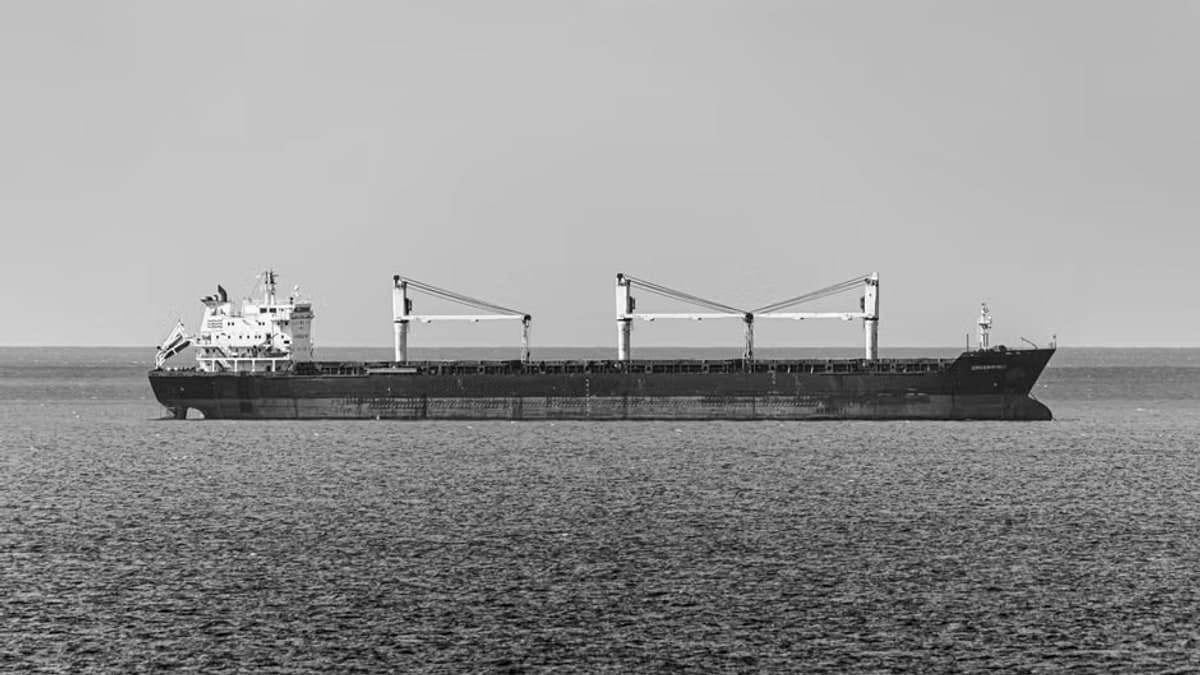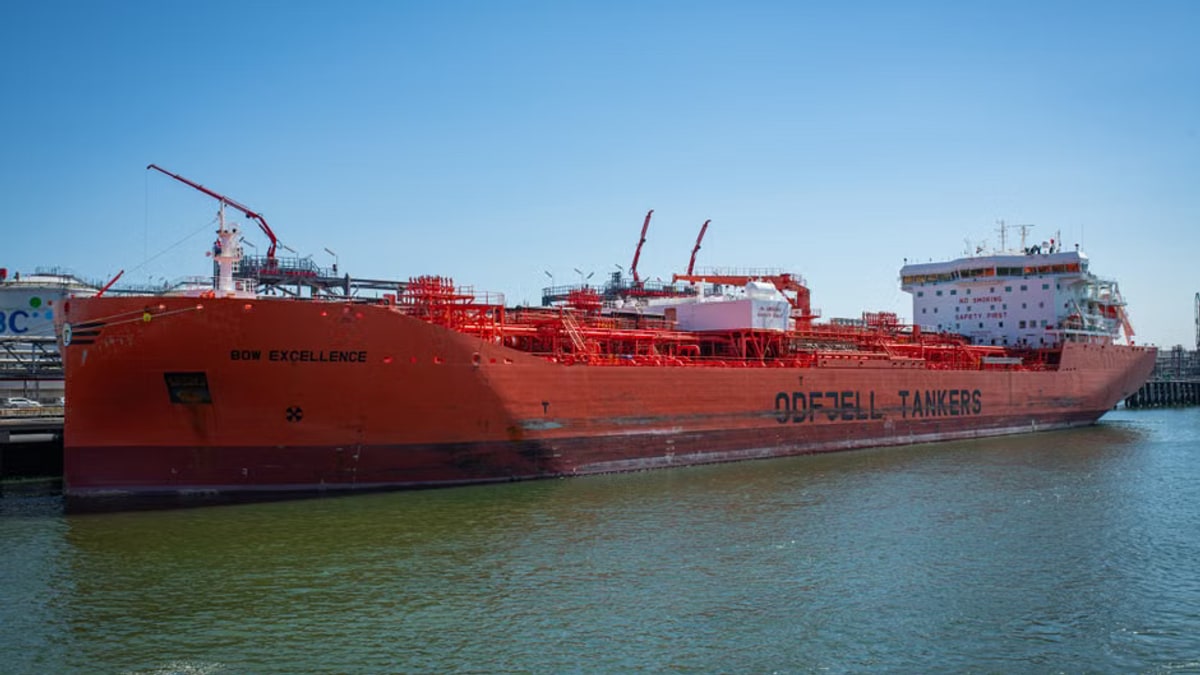
WASHINGTON — Geopolitical tensions across the Middle East are once again dominating political and economic discussions as vulnerabilities in oil supply chains threaten global energy markets. Ongoing military operations in Yemen aimed at rooting out Houthi insurgents have heightened risks for commercial shipping through the critical Bab el-Mandeb strait and the Red Sea.
Energy analysts warn that any sustained disruption in these vital trade corridors could trigger sharp spikes in crude oil prices, compounding inflationary pressures just as major economies navigate delicate monetary policy adjustments. In the United States, the looming threat of higher fuel costs has emerged as a central flashpoint in midterm political rhetoric, with lawmakers debating the effectiveness of current foreign policy and domestic energy production strategies.
International diplomats are working urgently to secure regional maritime routes and deter further escalations that could draw broader state actors into the conflict. Meanwhile, humanitarian organizations emphasize the dire situation on the ground in Yemen, where protracted conflict continues to destabilize local populations and impede vital aid delivery.
Key Highlights
- Middle East shipping vulnerabilities threaten global crude oil supply stability.
- Yemeni forces intensify efforts to neutralize Houthi positions along key maritime trade routes.
- Energy price volatility becomes a major talking point in upcoming domestic political midterms.
As long as security risks in the Red Sea persist, international markets will remain highly sensitive to diplomatic and military developments across the Arabian Peninsula.