
BUENOS AIRES/LONDON – Argentine President Javier Milei has reignited a decades-old sovereignty dispute with the United Kingdom over the Falkland Islands (Malvinas), specifically by asserting Argentina's rights to oil exploration in the contested waters. The move, which has garnered significant search interest in the UK, signals a potential escalation in diplomatic tensions between the two nations and underscores the strategic importance of the South Atlantic's natural resources.
Milei, known for his libertarian and often provocative stance, has consistently affirmed Argentina's claim over the islands, which have been under British control since 1833 and were the subject of a brief but bloody war in 1982. While previous Argentine administrations have pursued diplomatic avenues, Milei's recent statements and actions regarding oil exploration rights suggest a more assertive approach, potentially aimed at bolstering his nationalist credentials domestically and drawing international attention to the issue.
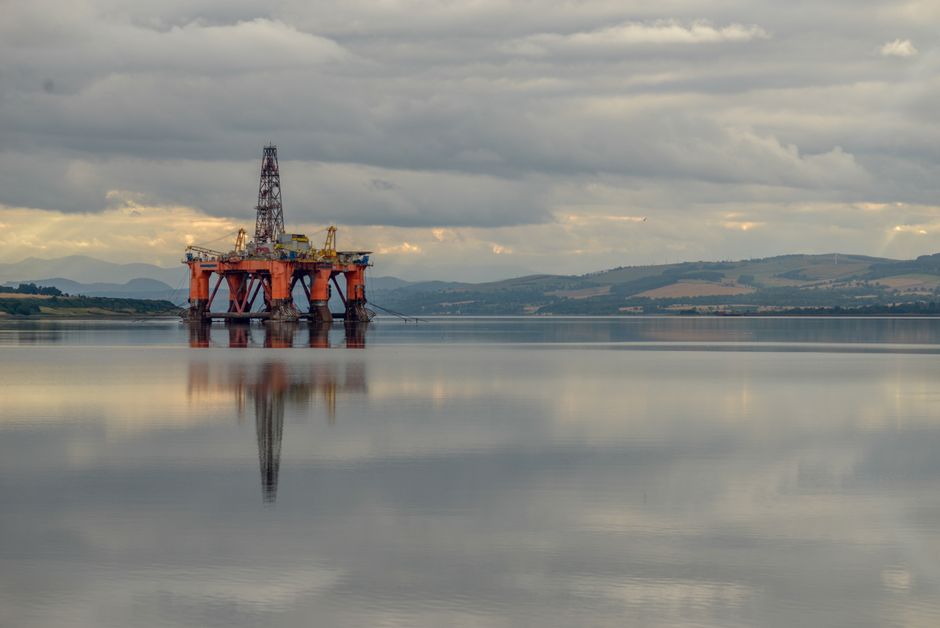
The Falkland Islands are believed to sit atop significant oil and gas reserves, making the dispute not just about sovereignty but also about economic control over valuable resources. Several international companies have previously expressed interest or conducted exploratory drilling in the waters surrounding the islands under licenses granted by the UK. Argentina views these activities as illegal and a violation of its territorial integrity.
Sources within the Argentine foreign ministry, speaking anonymously, indicated that the administration is preparing a series of diplomatic initiatives to challenge British activities and garner support from regional allies. "President Milei is committed to a peaceful resolution, but also to defending Argentina's legitimate claims over its sovereign territory and resources," one official stated. "The economic potential of the Malvinas basin is immense, and we cannot allow it to be exploited unilaterally."
In London, the response has been firm. A spokesperson for the UK Foreign, Commonwealth & Development Office reiterated Britain's unwavering commitment to the Falkland Islanders' right to self-determination. "The Falkland Islands are British. This was the clear choice of the islanders themselves in a 2013 referendum, and we will continue to defend their right to choose their own future," the spokesperson said. "Any attempts to unilaterally assert claims over their resources are unacceptable and will be met with a robust diplomatic response."
The renewed dispute comes at a time when global energy security is a paramount concern, and nations are increasingly looking to secure domestic or near-shore energy supplies. For Argentina, asserting control over potential oil reserves could offer a much-needed economic boost. For the UK, maintaining its presence and control over the islands is a matter of national pride, strategic interest, and adherence to international law regarding self-determination.
Regional reactions are also being closely watched. Brazil, Chile, and other South American nations have historically supported Argentina's claim to the islands, though their support for Milei's specific tactics may vary. The dispute could also test the diplomatic capabilities of international bodies like the United Nations, which has repeatedly called for a negotiated settlement between the two countries.
Key Highlights
- Argentine President Javier Milei has intensified the Falkland Islands sovereignty dispute by focusing on oil exploration rights.
- The move challenges UK control over the islands and their surrounding resource-rich waters.
- Both nations maintain firm stances, with Argentina asserting sovereign rights and the UK upholding the islanders' right to self-determination.
- The dispute highlights the strategic importance of South Atlantic oil and gas reserves amid global energy security concerns.
The coming months will likely see a flurry of diplomatic activity as both Argentina and the UK seek to rally international support for their respective positions. While a direct military confrontation remains highly unlikely, the economic and political stakes are considerable, potentially shaping regional alliances and international legal precedents regarding contested territories and resource exploitation.


