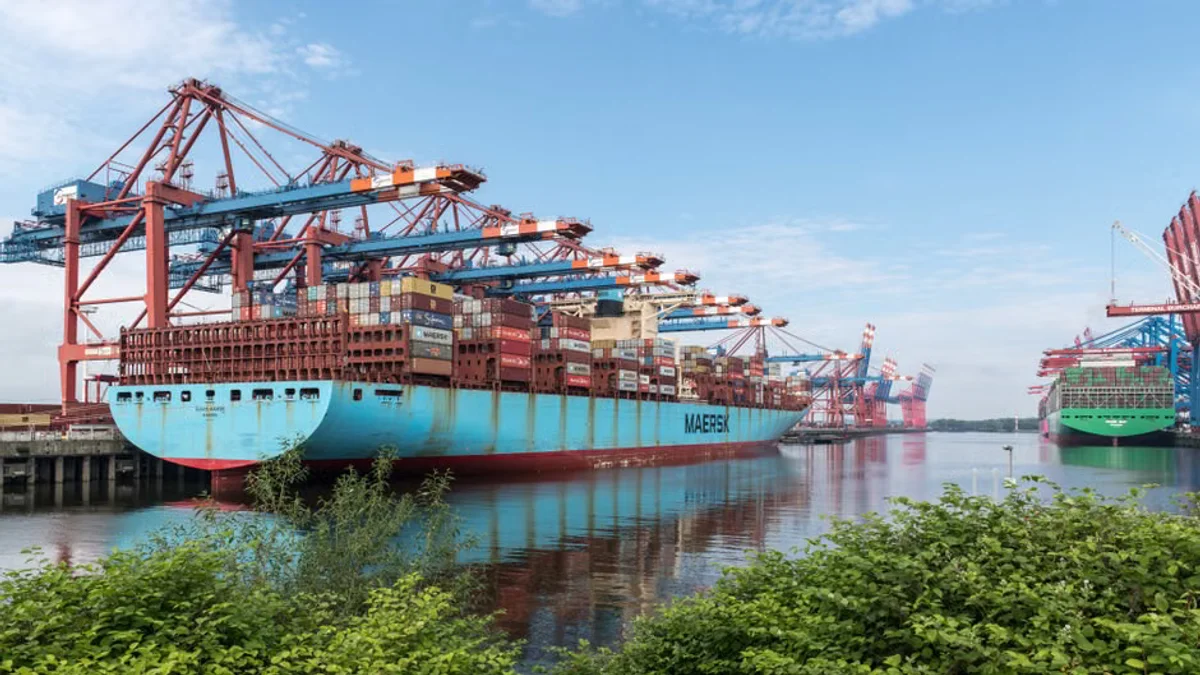
Global defense analysts and maritime security officials are sounding fresh alarms following confirmed reports of a commercial cargo vessel being successfully neutralized and sunk by coordinated drone attacks. The incident, which highlights the devastating efficacy of low-cost asymmetric weaponry against high-value maritime targets, has sent shockwaves through international shipping and naval command centers.
For decades, blue-water navies relied on heavy cruisers, destroyers, and missile defense systems designed to counter traditional state-sponsored threats. However, the proliferation of sophisticated, inexpensive aerial and surface drones equipped with precision guidance systems has radically compressed the cost-benefit curve of naval warfare. Insurgents and hostile state actors can now deploy swarms of disposable drones to overwhelm multi-million-dollar defense shields, posing an existential threat to global supply chains.
'We are witnessing a fundamental revolution in maritime conflict,' explained naval strategist Commander Thomas Sterling. 'The era of uncontested commercial shipping is under grave threat. Navies worldwide must urgently pivot toward directed-energy weapons, electronic jamming, and cost-effective counter-drone technologies to protect vital trade arteries.'
The incident has also prompted immediate operational adjustments by major international shipping lines, many of which are rerouting vessels or enhancing onboard security protocols to mitigate emerging asymmetric risks.
Key Highlights
- Commercial vessel successfully sunk by coordinated drone strikes.
- Rising concerns over the vulnerability of global maritime supply chains.
- Urgent push for advanced anti-drone defense systems by international navies.
As maritime warfare enters this volatile new era, the international community faces profound challenges in securing open sea lanes against increasingly accessible and lethal drone technology.