
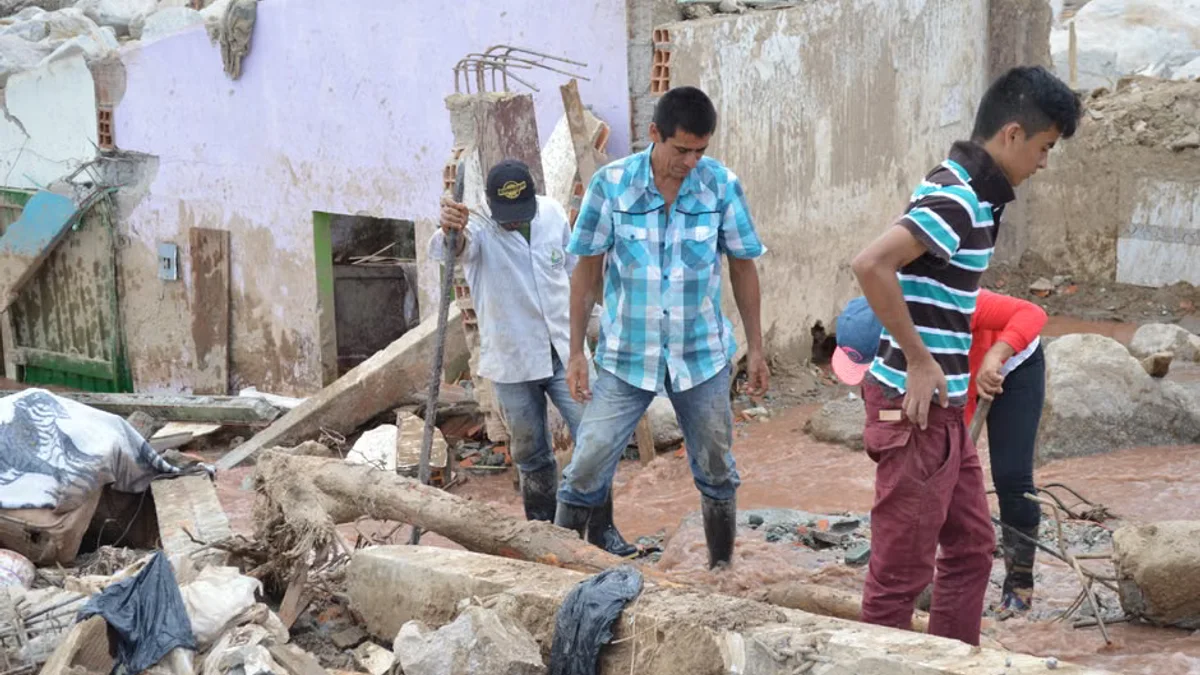
KATHMANDU — Months after catastrophic monsoon floods devastated communities across Nepal, washing away homes and livelihoods, an agonizing secondary crisis has emerged for dozens of grieving households. Relatives of individuals swept away by raging torrents find themselves trapped in a cruel legal and bureaucratic limbo because missing persons have not been officially certified as deceased.
Under Nepalese legal frameworks, obtaining a formal death certificate in the absence of a recovered body requires prolonged evidentiary procedures and lengthy judicial waiting periods. Consequently, families are denied access to crucial government disaster relief compensation, insurance payouts, and necessary legal transfers of property ownership or bank accounts.
'We lost our home, our crops, and the primary breadwinner of our family to the floods, yet the government treats my husband as merely missing,' shared a local mother struggling to feed her children. 'Without an official death certificate, I cannot access welfare assistance or settle our debts.'
Human rights advocates and local NGOs have called upon federal authorities to streamline administrative protocols for natural disaster missing persons, urging lawmakers to enact emergency legal provisions that recognize the catastrophic realities of climate-induced disasters. As climate volatility increases the frequency of extreme weather events, legal experts emphasize the urgent need for modernized disaster jurisprudence across vulnerable developing nations.
Key Highlights
- Post-flood administrative crisis in Nepal leaves missing victims' families without official death certificates.
- Lack of certification blocks access to government compensation, welfare, and inheritance rights.
- Human rights advocates urge lawmakers to modernize legal procedures for climate disaster victims.
Addressing this administrative bottleneck is crucial to providing basic dignity and financial relief to communities bearing the brunt of intensifying climate change.