
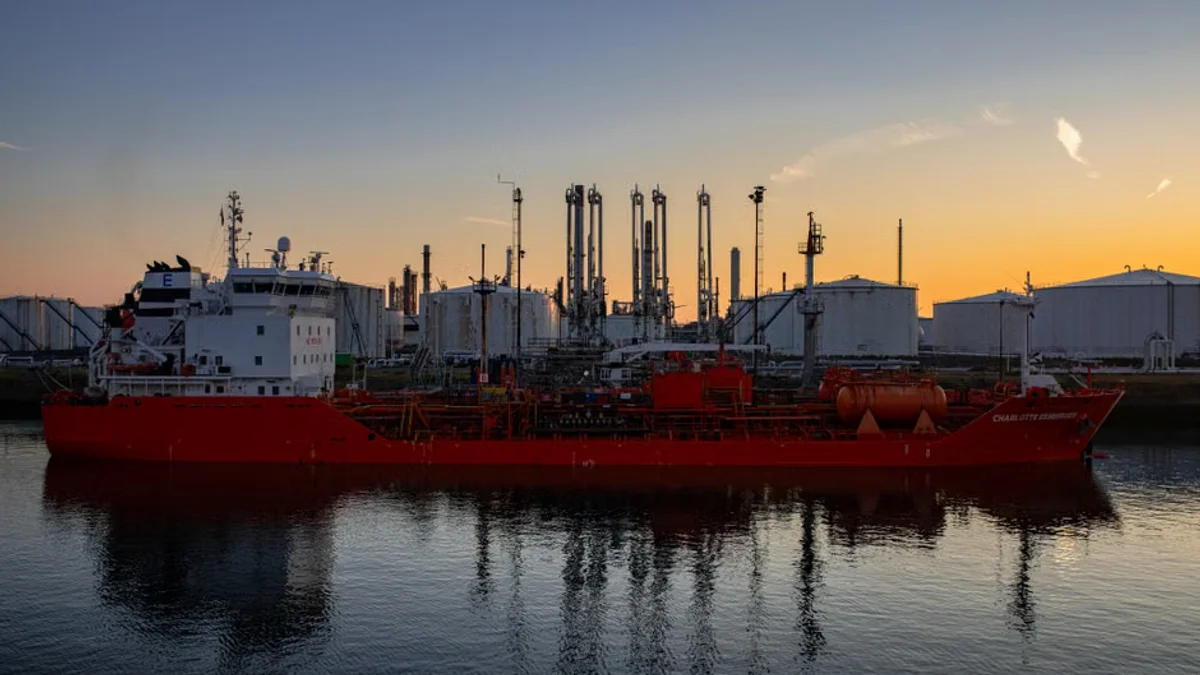
Global energy markets experienced renewed volatility as crude oil prices climbed sharply in response to escalating military tensions surrounding Iran. Traders and geopolitical risk analysts are increasingly anxious that a broader regional conflict could severely disrupt petroleum flows through the Strait of Hormuz—a vital maritime chokepoint through which a substantial portion of the world's daily oil supply travels.
The threat to maritime security has prompted shipping companies to reevaluate transit routes, driving up freight insurance premiums and adding immediate upward pressure on commodity prices. European and American benchmark crudes both registered substantial gains, exacerbating inflationary pressures just as central banks attempt to guide their respective economies toward a soft landing.

Diplomatic efforts are intensifying across international capitals to de-escalate the situation and prevent a full-scale military confrontation. However, mixed signals from regional actors and ongoing retaliatory rhetoric have kept risk premiums elevated in energy trading pits worldwide.
Economic policymakers are closely tracking the oil surge, well aware that sustained high energy costs can quickly ripple through global supply chains, affecting everything from manufacturing to transportation and consumer goods pricing. Unless a diplomatic breakthrough materializes swiftly, volatility is expected to remain the defining characteristic of global energy markets in the near term.
Key Highlights
- Crude oil prices surge significantly amid escalating military tensions involving Iran.
- Strait of Hormuz shipping lane vulnerabilities stoke fears of major supply disruptions.
- Rising freight and insurance costs compound inflationary pressures across Western economies.
- International diplomats scramble to negotiate de-escalation channels.
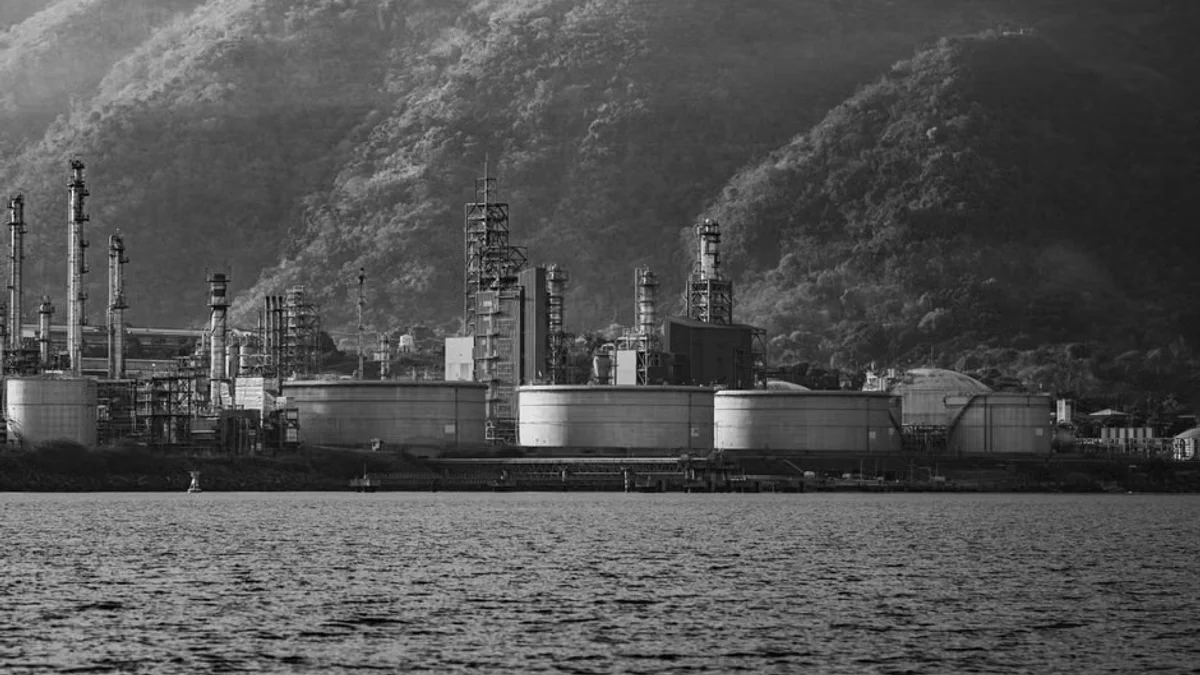
The latest spike in crude prices serves as a stark reminder of how fragile global economic stability remains in the face of sudden geopolitical shocks in the Middle East.