
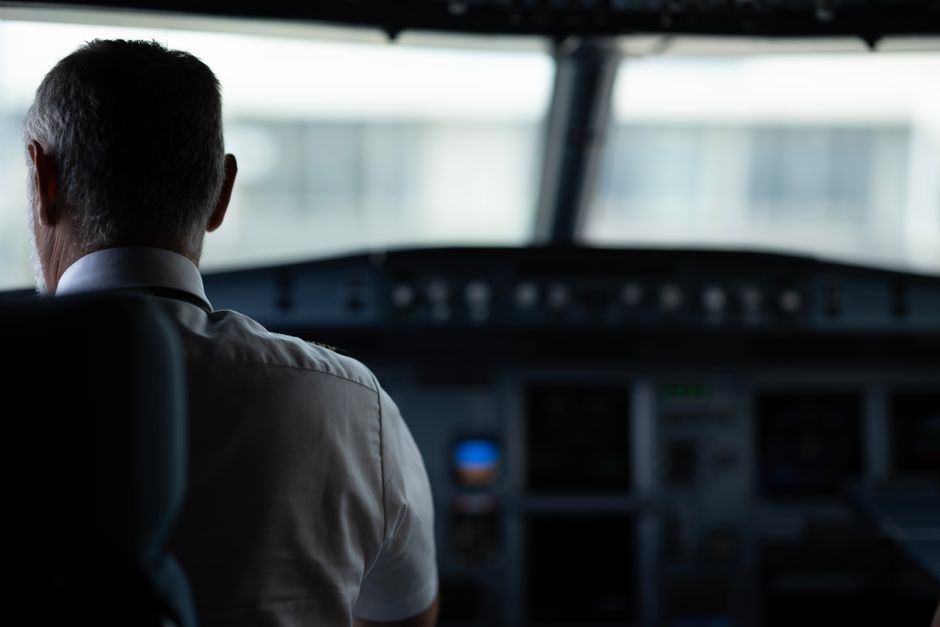
In a harrowing mid-air incident that has sent shockwaves through the global aviation community, Israeli security officials revealed that passengers successfully overpowered a pilot attempting to crash a Flydubai aircraft. The dramatic intervention averted what could have been a catastrophic disaster, prompting immediate inquiries from international aviation authorities and security agencies.
According to preliminary reports released by intelligence sources, the pilot exhibited erratic behavior mid-flight, deviating sharply from the designated flight path and attempting to force the aircraft downward. Recognizing the mortal danger, a group of vigilant passengers and off-duty crew members rushed the cockpit, physically subduing the pilot and regaining control of the controls before stabilizing the plane.
Aviation safety experts have expressed profound alarm over the incident, raising urgent questions regarding psychological screening protocols for commercial airline pilots. While major airlines maintain strict security measures to protect cockpit doors from external threats, internal breaches by authorized flight deck crew remain one of the most challenging vulnerabilities in modern aviation security.
Flydubai issued a brief statement confirming an operational disturbance on board the flight, assuring the public that the aircraft landed safely and that all passengers and crew disembarked without serious injury. However, the airline declined to provide further details regarding the pilot's medical background or the exact nature of the cockpit confrontation, citing the ongoing international investigation.
Key Highlights
- Passengers and crew physically subdued a pilot attempting to crash a Flydubai flight.
- Israeli authorities disclosed the security incident, prompting global aviation inquiries.
- The aircraft landed safely with no major injuries reported among passengers.
- The event reignites fierce debate over pilot psychological evaluations and cockpit security.
As international aviation regulators scrutinize the incident, the focus will inevitably shift toward tightening internal flight deck vetting processes to ensure commercial air travel remains secure against unprecedented internal threats.


