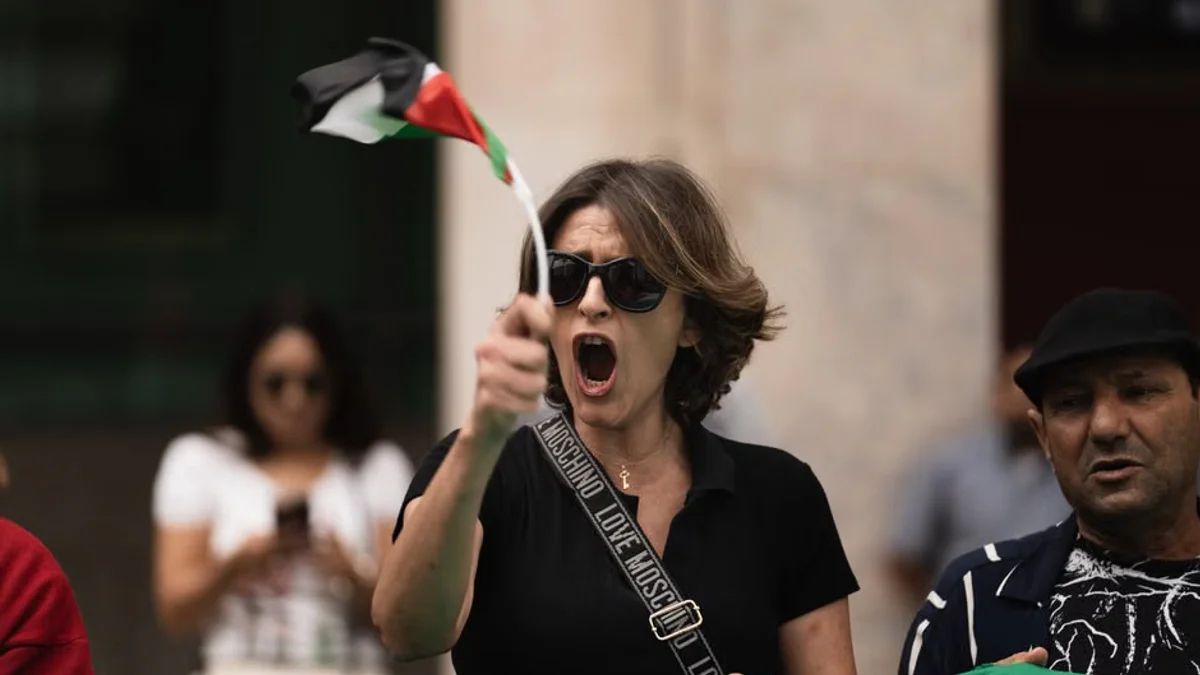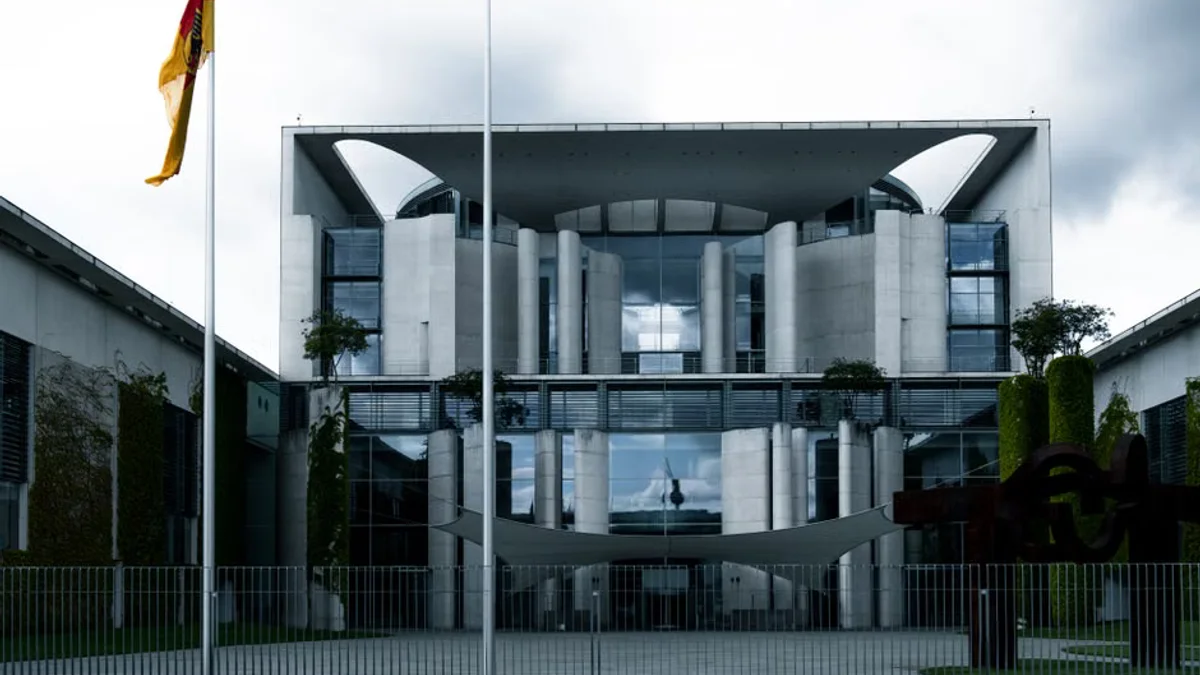
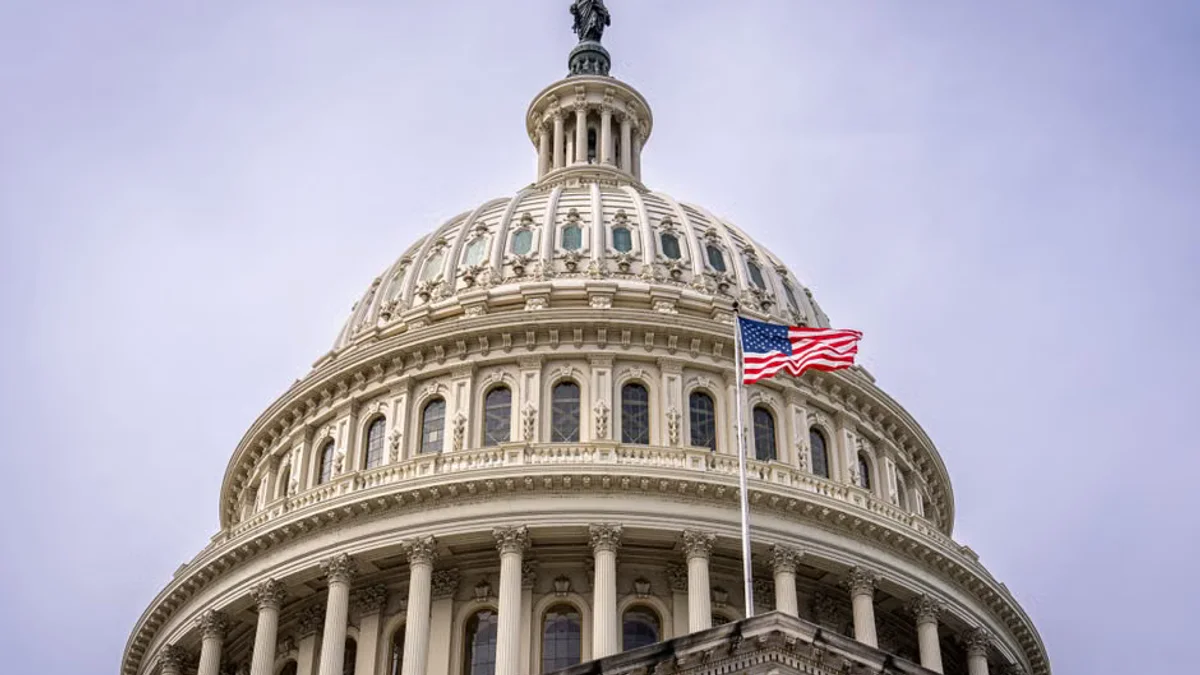
The American sociopolitical landscape remains fiercely divided as provocative rhetorical phrases, including trending internet monikers like 'orange plague,' surge across major digital platforms and cable news networks. This linguistic escalation highlights the deep ideological fissures characterizing modern democratic discourse in the United States.
Communications scholars and political sociologists point out that sensationalized terminology often serves to mobilize partisan bases while further alienating moderate voters. As political campaigns and advocacy groups deploy targeted messaging strategies, the boundary between substantive policy debate and inflammatory performance art continues to blur, challenging the resilience of institutional norms.
Media literacy advocates emphasize the importance of critically evaluating political commentary in an era dominated by algorithmic amplification. With legislative agendas hanging in the balance and public trust in traditional institutions facing ongoing scrutiny, the tone and substance of national dialogue remain central to the country's political trajectory.
Key Highlights
- Polarizing political rhetoric dominates US digital and broadcast media.
- Scholars analyze the impact of hyper-partisan messaging on public trust.
- Upcoming legislative and electoral battles fuel intensified ideological division.
Navigating this complex informational environment requires a steadfast commitment to factual reporting, objective analysis, and civil discourse above partisan noise.