
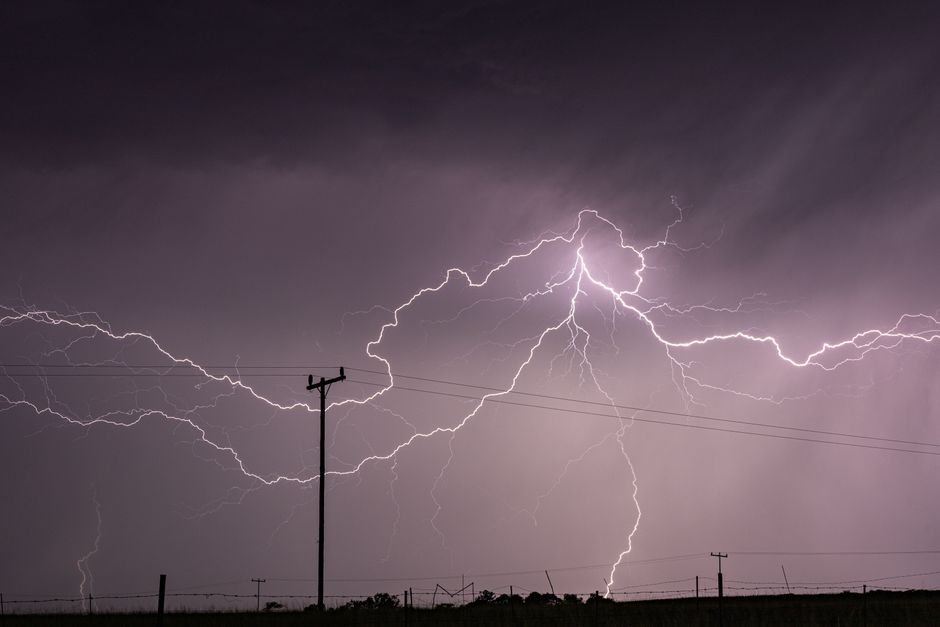
WASHINGTON — A series of volatile meteorological events sweeping across North America has placed severe stress on critical infrastructure, prompting coordinated disaster response measures from federal and state authorities. The intensifying storms have led to widespread power outages, flight cancellations at major international hubs, and significant delays in freight logistics, underscoring the vulnerability of modern supply chains to extreme weather anomalies.
Climate scientists and emergency management officials warn that changing atmospheric patterns are increasing the frequency and severity of extreme weather events, necessitating urgent investments in climate-resilient infrastructure. Economists estimate that recurring disruptions to transportation corridors cost billions annually in lost productivity and emergency repairs, intensifying calls for comprehensive federal adaptation strategies.
Key Highlights
- Severe storms cause widespread power grid failures and transportation delays across regions.
- Emergency management agencies scale up disaster preparedness and response coordination.
- Experts emphasize the urgent need for climate-resilient infrastructure investments.
As international governments grapple with escalating environmental pressures, strengthening infrastructural defenses against extreme weather has emerged as a paramount priority for global economic stability.


