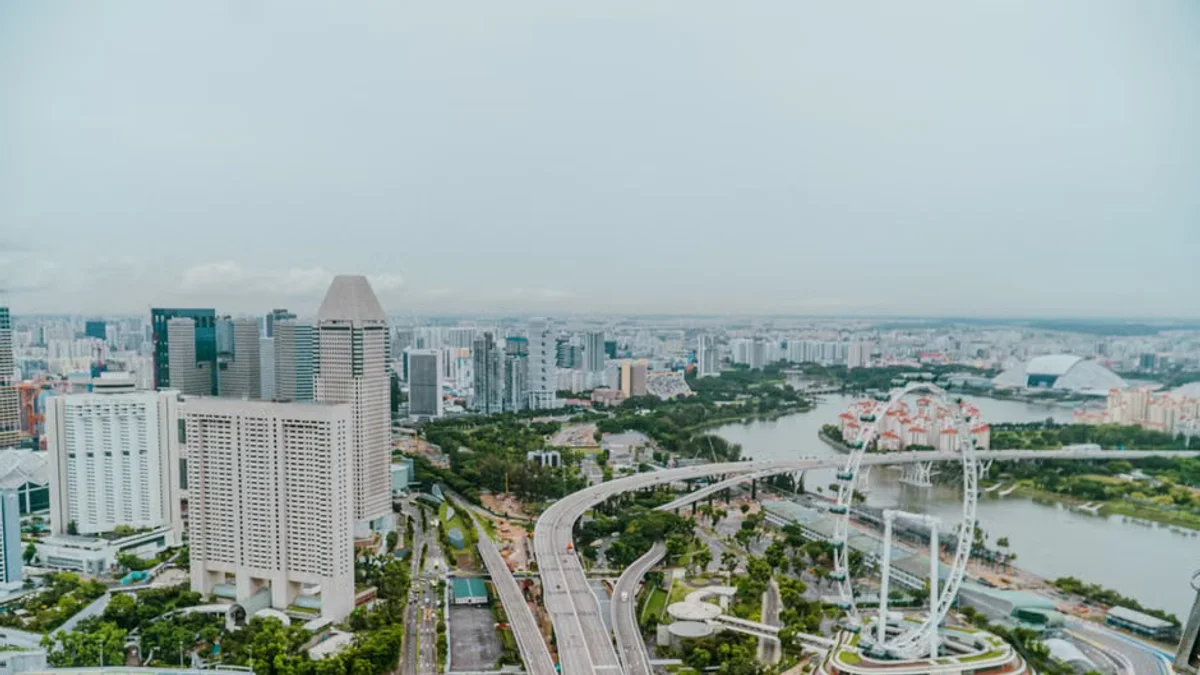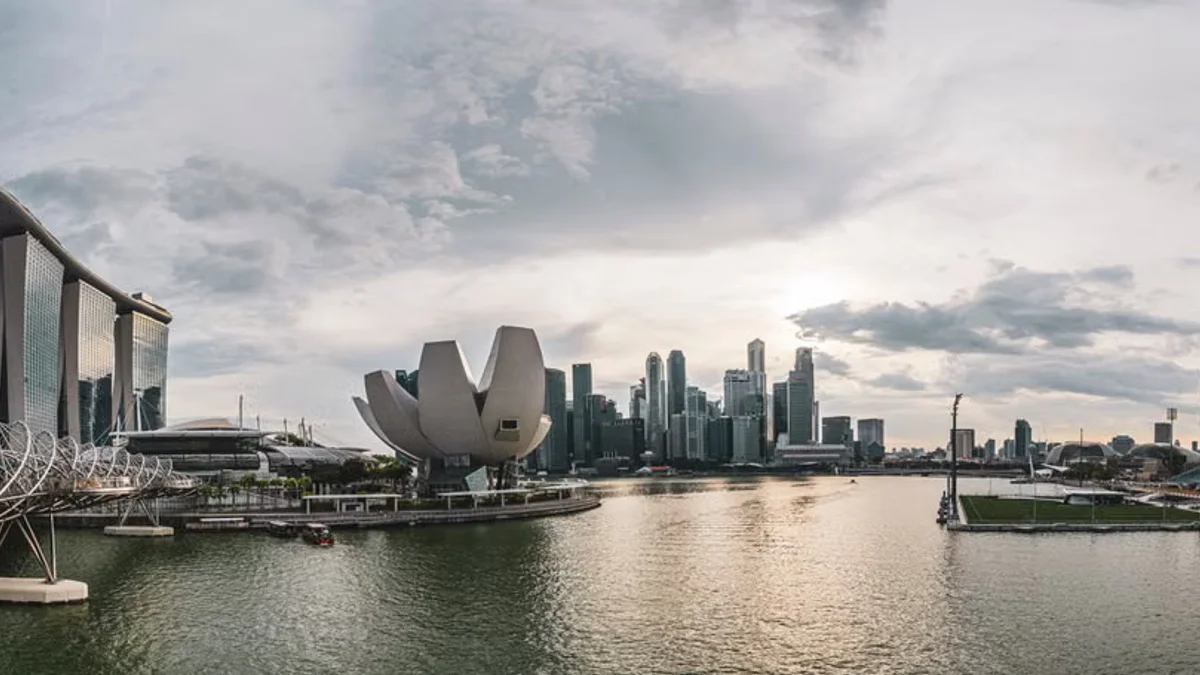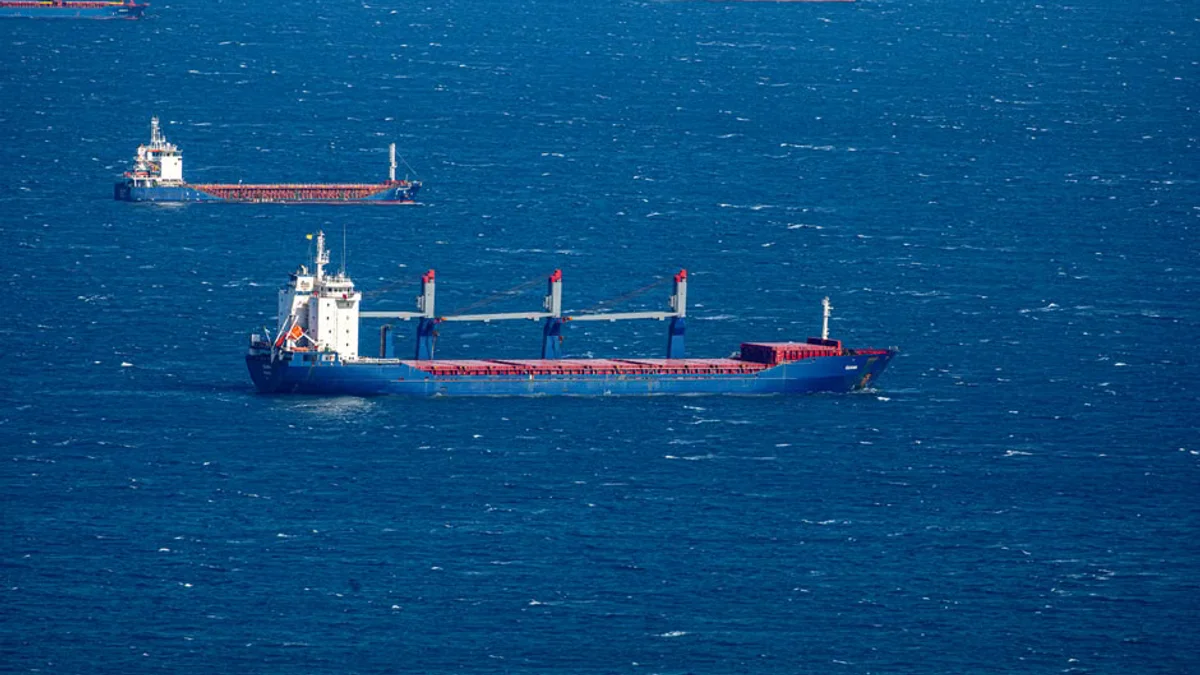
SINGAPORE — Following recent high-profile maritime security incidents involving Singapore-flagged or managed commercial vessels in Middle Eastern waters, shipping executives and naval experts have clarified the complex reasons why global trade routes through the Strait of Hormuz remain active.
Despite heightened geopolitical tensions and elevated marine insurance premiums, the narrow waterway remains an irreplaceable artery for global petroleum and cargo logistics. Shipping operators employ advanced risk-mitigation strategies, including armed security detachments, electronic counter-measure shielding, and real-time naval escort coordination.

'Halting transit entirely would inflict catastrophic supply chain failures and unprecedented price spikes across global energy markets,' explained maritime security consultant Captain Marcus Vance. 'Operators weigh calculated risks against commercial necessity every single day.'
Key Highlights
- Commercial shipping continues through the Strait of Hormuz despite localized security threats.
- Singapore-linked operators utilize advanced risk management and naval coordination.
- Global economic dependency on the waterway prevents widespread commercial boycotts.

As Middle Eastern flashpoints persist, maritime authorities continue refining protocols to safeguard international crews while maintaining vital global commerce channels.