
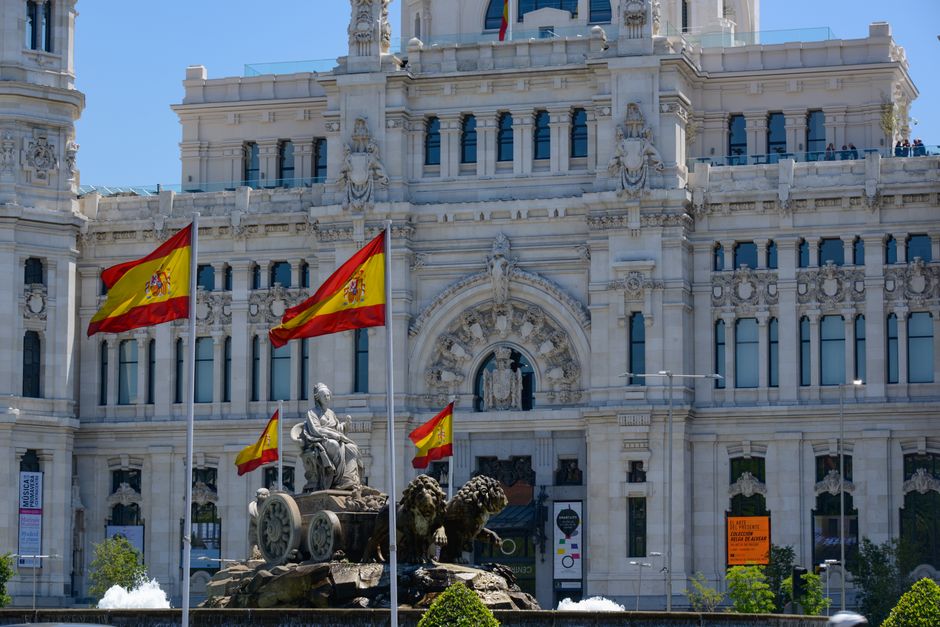
MADRID — In a high-stakes political manoeuvre, Spanish Prime Minister Pedro Sánchez announced on Tuesday that he is calling a snap general election for November 29. The unexpected dissolution of parliament comes amid mounting pressure from opposition parties and severe friction within his governing coalition regarding key fiscal and legislative reforms.
Addressing the nation from the Moncloa Palace, Sánchez defended his tenure and emphasized the necessity of returning power to the electorate to clear the political deadlock. 'When the institutional architecture faces continuous obstruction, the only democratic recourse is to let the citizens speak,' Sánchez stated during a televised address. The decision immediately reverberates across the European Union, where Spain plays a critical stabilizing role in Mediterranean policy, economic recovery frameworks, and green transition initiatives.
Markets reacted swiftly to the uncertainty, with Spanish bond yields ticking upward as institutional investors assessed the potential outcomes of a volatile electoral contest. Opposition leader Alberto Núñez Feijóo of the conservative People's Party (PP) immediately capitalized on the announcement, accusing Sánchez of buckling under economic pressure and calling the snap vote a desperate bid for political survival. Polls suggest a neck-and-neck race, raising the possibility of another complex coalition government or a shift toward conservative governance in Madrid.
Key Highlights
- Prime Minister Pedro Sánchez dissolves parliament, setting a snap election for November 29.
- The decision follows prolonged legislative deadlock and coalition friction in Madrid.
- Spanish bond yields and European markets display volatility following the announcement.
- Opposition parties criticize the move as a desperate political gamble.
As campaigns gear up for an accelerated electoral cycle, the outcome will significantly influence Spain's domestic trajectory and its broader diplomatic stance within the European Union.


