
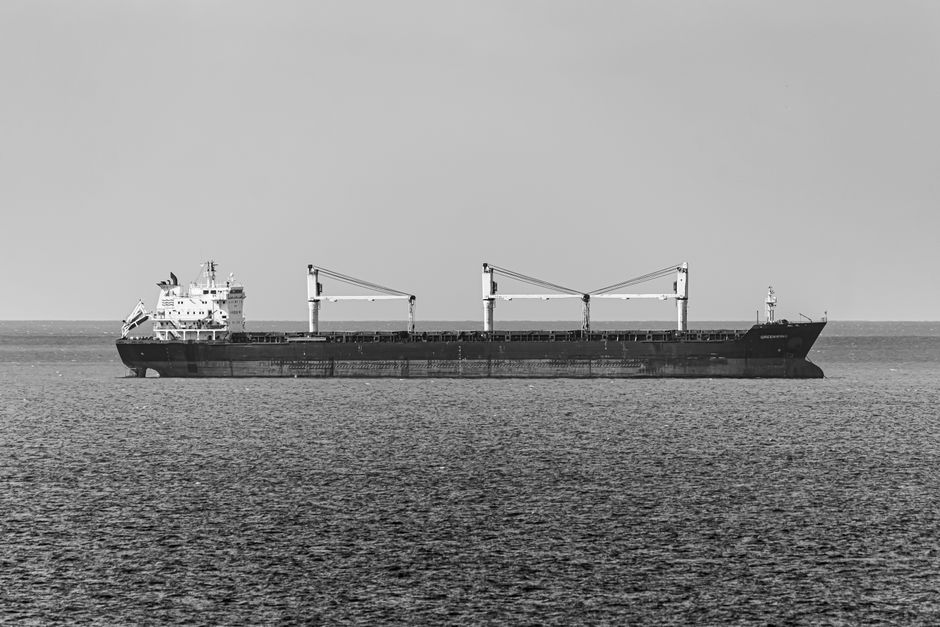
WASHINGTON — International energy markets and global supply chains were on high alert following a sharp escalation of geopolitical tensions in the vital Strait of Hormuz. The narrow waterway, which handles roughly a fifth of the world's petroleum consumption, has become a focal point of intense naval positioning and diplomatic posturing, raising fears of potential disruptions to international commerce.
Defense analysts and maritime agencies report increased military surveillance and communication checks in the region as naval forces from multiple nations operate in close proximity. The US Department of Defense has reiterated its commitment to maintaining freedom of navigation through international waters, emphasizing that any attempts to restrict commercial shipping or threaten regional stability will be met with a robust response from allied coalitions.
Energy traders reacted swiftly to the developments, with crude oil futures experiencing heightened volatility. Major shipping conglomerates are currently reviewing their contingency routes, balancing the imperative of operational safety against the economic costs of delayed transit times. Global economic institutions have warned that prolonged instability in the Strait of Hormuz could trigger inflationary pressures worldwide, affecting fuel prices, manufacturing costs, and consumer goods.
Diplomatic channels remain active as international leaders urge restraint and open dialogue to prevent miscalculations that could ignite a wider regional conflict. Regional stakeholders, meanwhile, continue to signal their readiness to defend their maritime borders while balancing international trade obligations.
Key Highlights
- Strait of Hormuz handles approximately 20 percent of global petroleum consumption.
- Naval forces and defense analysts report heightened surveillance and strategic positioning.
- Crude oil futures experience volatility as shipping companies weigh contingency routes.
- Global economic watchdogs warn of potential inflationary impacts on energy and consumer goods.
As the diplomatic and military calculus evolves, the international community faces a critical window to de-escalate tensions and secure one of the world's most indispensable economic arteries before localized friction transforms into a systemic global crisis.


