International climate research centers have published synchronized long-range forecast models indicating the development of a powerful Super El Niño event projected to peak during the winter of 2026. Characterized by abnormal warming of sea surface temperatures in the central and eastern equatorial Pacific Ocean, this climatic phenomenon is anticipated to exert profound alterations on global weather systems.
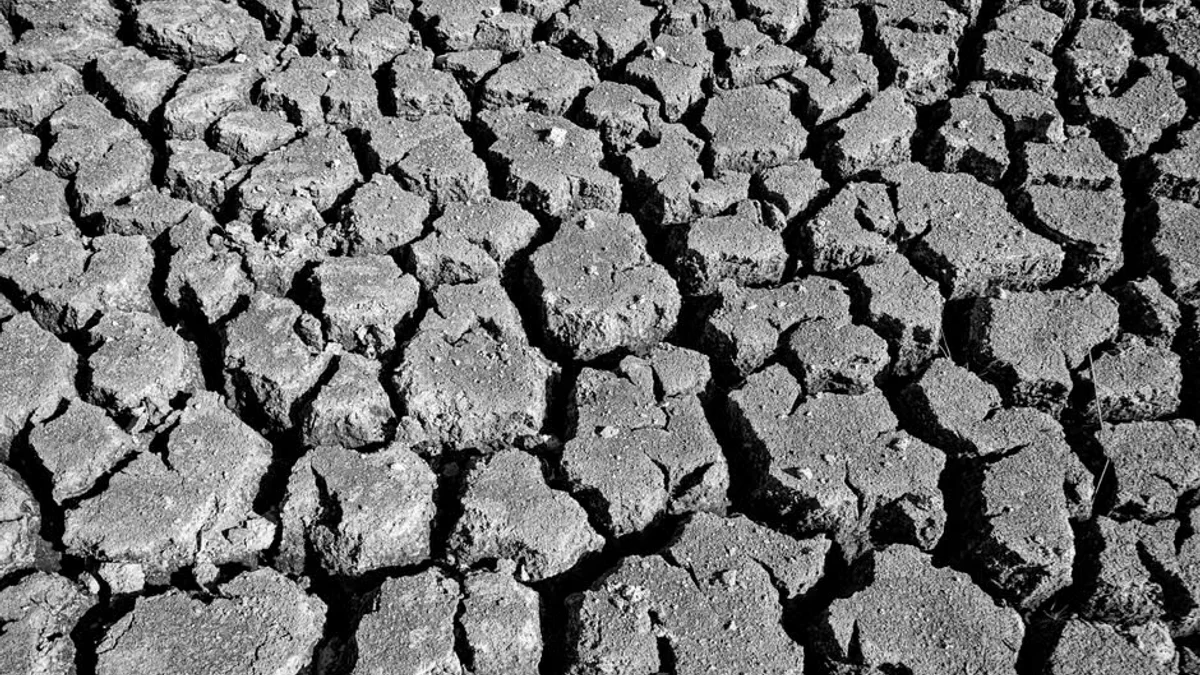
Leading climatologists from major meteorological institutes warn that the upcoming cycle could surpass historical thresholds, triggering prolonged droughts in agricultural sectors, intensified tropical storm activity, and severe unseasonal temperature spikes across North America, Europe, and parts of the Southern Hemisphere.

Global commodity markets and agricultural supply chain managers are already factoring the forecast into strategic reserve calculations. Grain futures, energy demands, and water resource management policies are undergoing rigorous stress tests to prepare for potential systemic shocks driven by prolonged weather extremes.
Policy architects emphasize the urgent need for accelerated climate adaptation funding and resilient infrastructure investments. As greenhouse gas concentrations continue to interact with natural climatic oscillations, the impending Super El Niño serves as a stark reminder of the escalating volatility facing global ecosystems.
Key Highlights
- Climate models predict a severe Super El Niño event peaking in winter 2026.
- Phenomenon expected to drive intense droughts, storms, and temperature anomalies.
- Global agricultural and commodity markets brace for supply chain vulnerabilities.

Proactive international coordination will be paramount in mitigating humanitarian and economic risks associated with the unfolding climate cycle.