
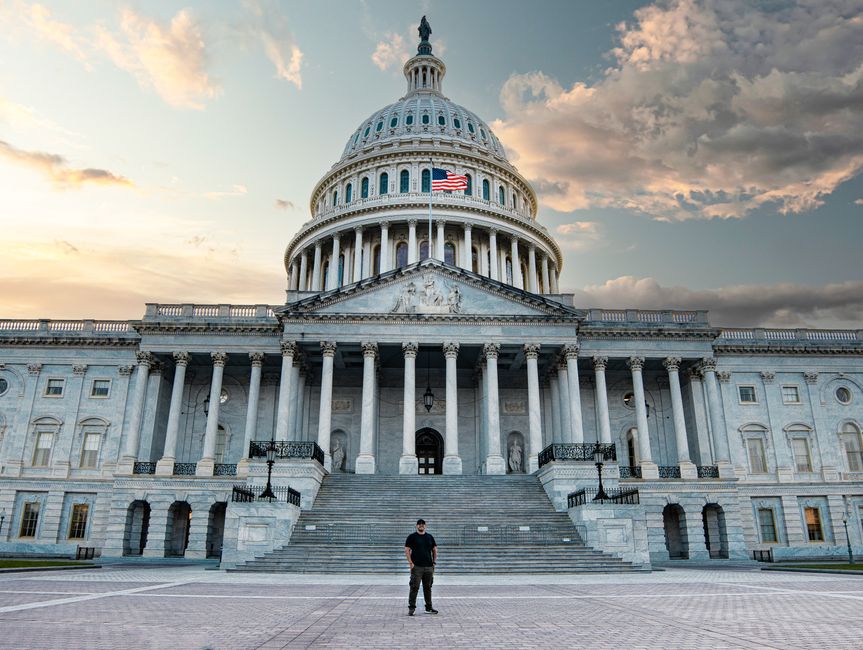
WASHINGTON — The policy initiatives emerging from the Trump administration have triggered renewed global debate, as international allies and competitors alike assess the sweeping changes. The administration's focus on domestic economic priorities, coupled with rigorous enforcement of trade and foreign policy doctrines, marks a distinct pivot from previous diplomatic norms.
Economic analysts and foreign policy experts have noted that these measures are designed to reshape bilateral agreements and international trade frameworks. While domestic supporters praise the assertive stance on national interests, international partners have expressed cautious concern over potential disruptions to established global supply chains and multilateral treaties.
In Capitol Hill briefings, administration officials defended the strategy as essential for safeguarding national sovereignty and fostering robust economic growth. Critics, however, argue that unilateral shifts could strain alliances and complicate ongoing negotiations regarding international security and climate commitments.
Key Highlights
- Administration unveils robust policy directives aimed at reshaping trade and foreign policy.
- International allies express both support and apprehension regarding global supply chains.
- Capitol Hill debates center on balancing national sovereignty with multilateral cooperation.
As the administration moves forward with its legislative and executive agenda, the international community remains watchful, preparing for further adjustments in diplomatic engagement and economic partnerships.


