
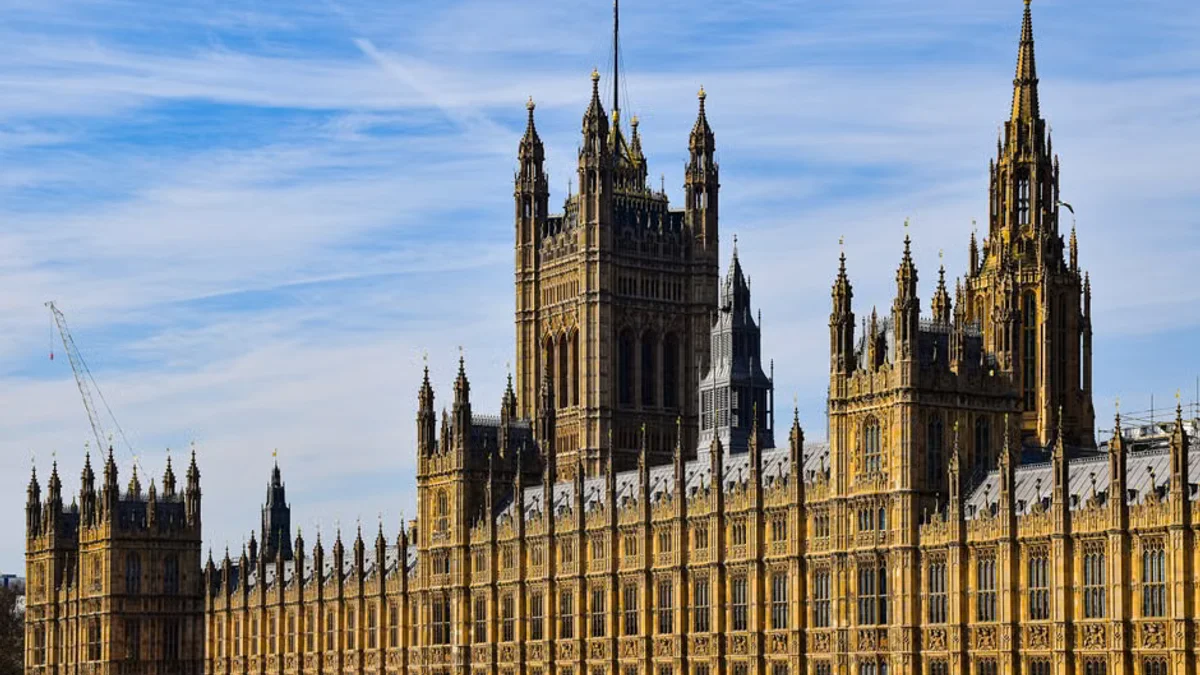
The United Kingdom's legislative chambers witnessed intense parliamentary exchanges following the unveiling of sweeping new immigration policy proposals by home office officials. The proposed framework introduces tighter restrictions on visa quotas, higher salary thresholds for skilled worker applicants, and enhanced border enforcement measures designed to curb net migration figures.
The policy announcement has immediately fractured political consensus, drawing sharp rebukes from opposition MPs who argue that the measures could devastate key economic sectors suffering from acute labor shortages, including healthcare, hospitality, and agriculture. Conversely, proponents of the legislation insist that strict immigration management is essential to relieve pressure on public infrastructure, housing markets, and social welfare systems.
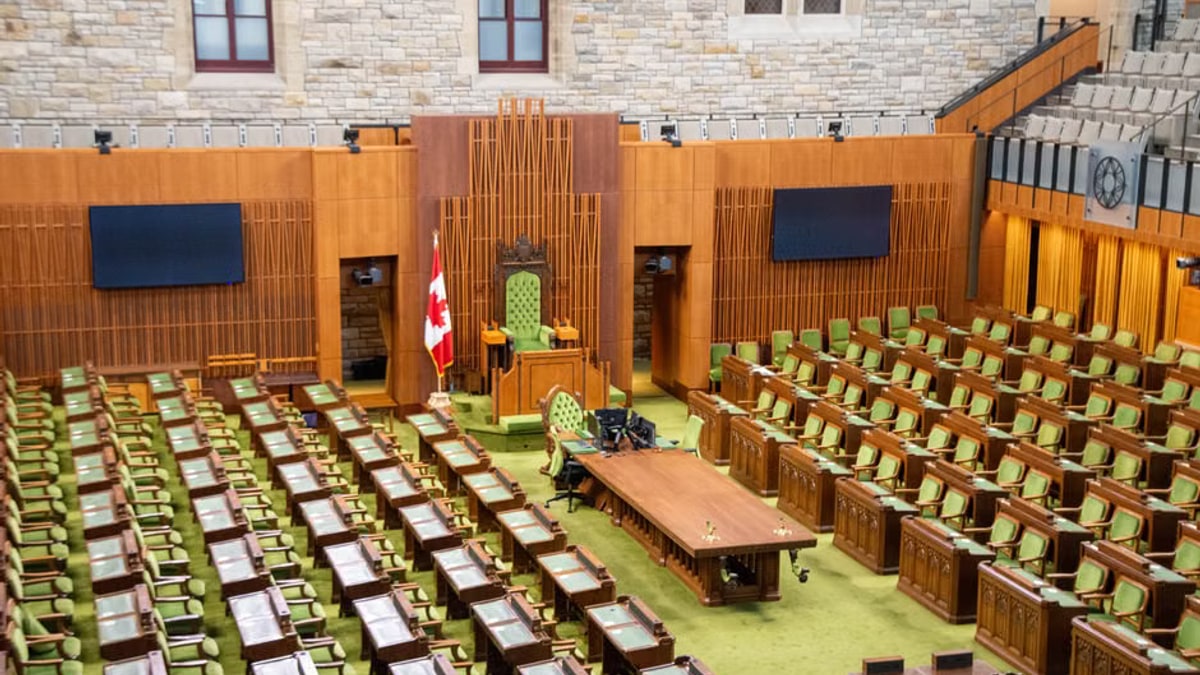
Business representative organizations have urged the government to adopt a balanced approach that protects economic productivity while maintaining orderly border controls. As the legislation proceeds through parliamentary committee stages, it remains one of the most polarizing and closely monitored domestic issues in British politics.
Key Highlights
- UK government unveils sweeping immigration policy reforms and stricter visa thresholds.
- Business leaders warn of potential labor shortages in healthcare and agriculture sectors.
- Intense parliamentary debate highlights deep divisions over national border control.

With immigration remaining a defining issue for voters across Europe and North America, policy outcomes in London will likely set precedents for broader regional governance strategies.