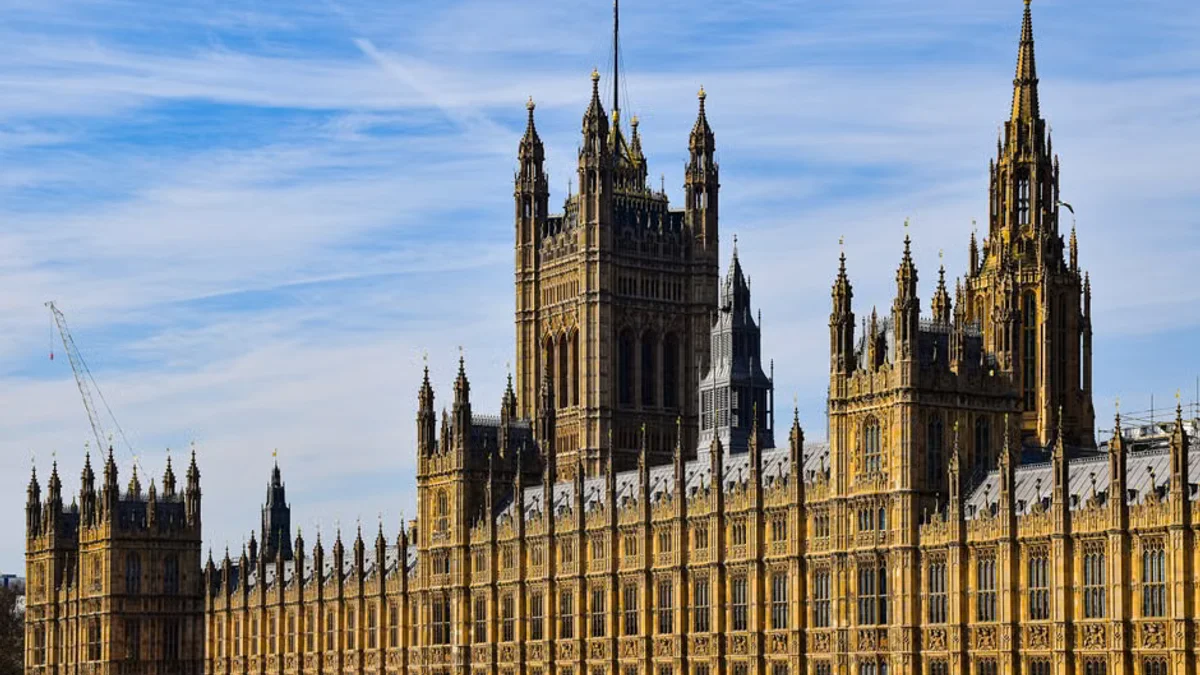
London — The political landscape in the United Kingdom has been shaken following explosive remarks by the Prime Minister directly accusing the Russian government of orchestrating covert interference campaigns during the watershed 2016 Brexit referendum.
Speaking before parliament, the Prime Minister referenced declassified intelligence assessments detailing sophisticated influence operations designed to exacerbate social divisions, amplify polarizing narratives, and manipulate public discourse surrounding Britain's departure from the European Union. The disclosures have reignited fierce debates across Westminster regarding the vulnerability of democratic institutions to foreign cyber warfare, disinformation campaigns, and illicit financial backing.
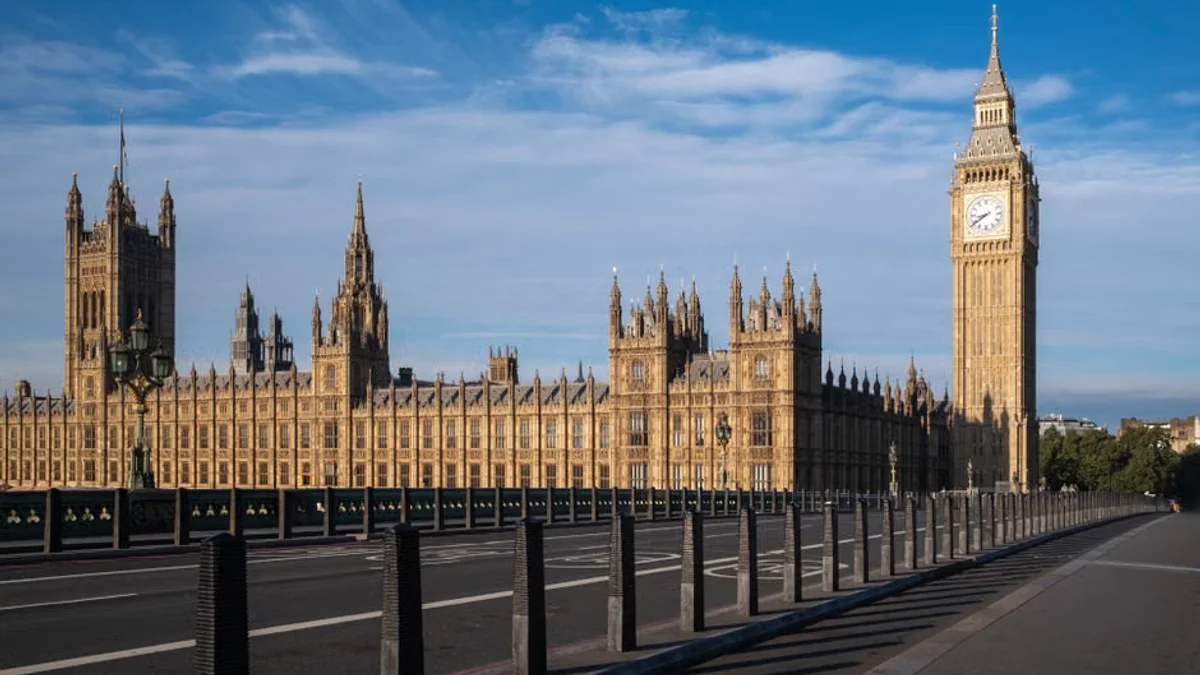
For years, intelligence committees and investigative journalists have probed potential foreign meddling in Western elections, including the Brexit vote and various continental European polls. While previous reports highlighted widespread social media bot activity and state-backed propaganda dissemination, the latest governmental statements represent a formal, high-level attribution directly linking Moscow to coordinated attempts to sway the referendum's outcome.
Political opponents and cross-party lawmakers have called for comprehensive reviews of electoral laws, enhanced transparency regarding political donations, and more aggressive countermeasures against state-sponsored hybrid warfare. Meanwhile, diplomatic relations between London and Moscow, already severely strained by the war in Ukraine and previous security incidents on British soil, face further deterioration in the wake of the announcement.
Key Highlights
- UK Prime Minister explicitly links Russian intelligence to 2016 Brexit referendum meddling.
- Intelligence assessments point to coordinated social media disinformation and polarization tactics.
- Lawmakers demand strengthened electoral integrity and transparency in political funding.

As the fallout from these revelations reverberates through British politics, safeguarding future democratic exercises from foreign subversion remains an urgent national priority.