
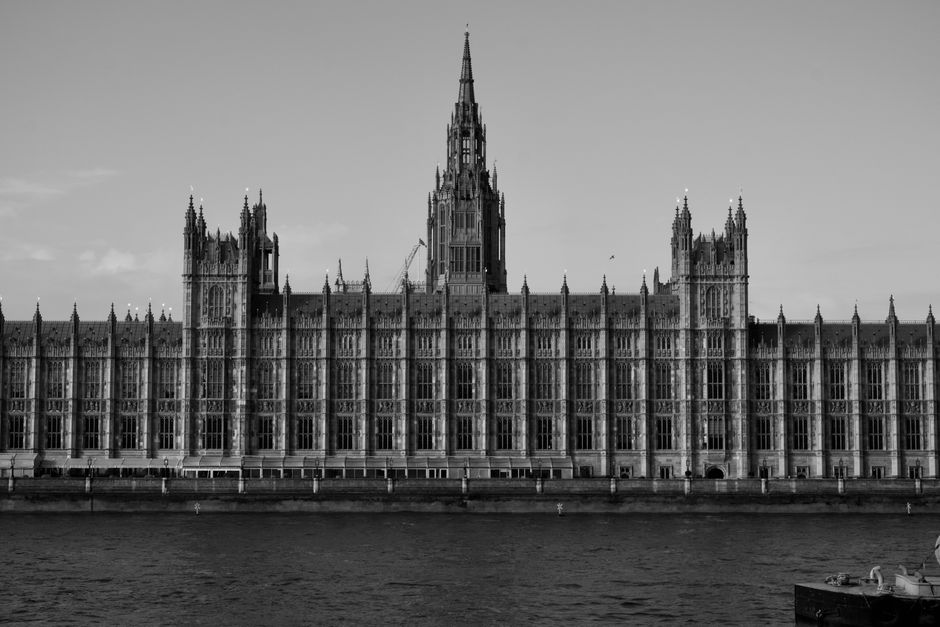
Debates surrounding urban development, heritage conservation, and affordable housing have taken center stage in British legislative circles, reflecting broader economic anxieties across major metropolitan centers. As property values and living costs remain persistently high, urban constituencies face unprecedented strain on public infrastructure, social services, and housing availability. Policymakers are increasingly pressured to introduce forward-thinking legislation that addresses systemic housing deficits without compromising architectural heritage.
Local governance models are shifting toward mixed-use zoning and transit-oriented developments, designed to maximize efficiency and reduce urban carbon footprints. Community stakeholders, however, continue to voice concerns regarding gentrification and the displacement of long-term residents. Economic analysts suggest that sustainable urban renewal requires substantial public-private partnerships capable of delivering long-term value for diverse demographic groups.
Nationally, these localized debates serve as a microcosm for the broader challenges confronting modern economies: balancing fiscal responsibility with social welfare commitments. Political leaders across party lines are being forced to articulate comprehensive strategies for urban resilience in the face of shifting economic headwinds and climate adaptation requirements.
Key Highlights
- Intensified parliamentary focus on affordable housing and urban zoning reforms.
- Balancing historic preservation with modern infrastructural expansion needs.
- Rising debate over public-private partnerships in metropolitan regeneration projects.
Ultimately, the trajectory of urban policy reforms will set a critical precedent for how major global cities accommodate population growth and economic equity in the coming decades.


