
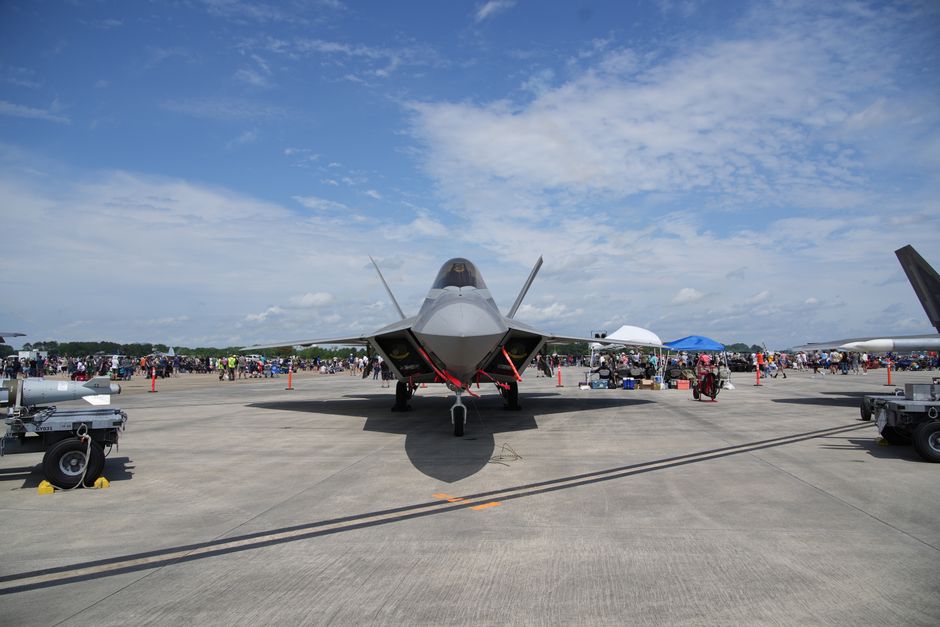
WASHINGTON/LONDON — In a decisive security maneuver, the United States military has removed its strategic bomber aircraft from the Royal Air Force (RAF) station at Fairford in Gloucestershire, United Kingdom. The relocation comes in the wake of intelligence reports indicating a potential security threat directed at the facility, which frequently hosts high-profile U.S. air missions across Europe and the Middle East.
U.S. European Command (EUCOM) and British Ministry of Defence officials coordinated the rapid repositioning of the aircraft to secure locations. While neither government has explicitly detailed the nature of the intercepted threat, intelligence analysts suggest the move underscores growing vulnerabilities at forward-operating European bases amid escalating geopolitical tensions with adversarial state and non-state actors.
RAF Fairford is a vital strategic hub for the U.S. Air Force Global Strike Command, routinely hosting B-52 and B-1 bomber task forces that project American deterrence power across the European theater. The sudden withdrawal has sparked intense debate among defense circles regarding force protection protocols, intelligence-sharing frameworks, and the resilience of critical infrastructure shared by NATO allies.
Key Highlights
- Strategic bombers relocated from RAF Fairford following a suspected terror plot.
- Joint coordination between U.S. EUCOM and the UK Ministry of Defence.
- Facility remains a cornerstone of NATO deterrence and allied air operations.
As investigations continue into the specific threats targeting the installation, defense analysts expect renewed scrutiny on security measures across all allied military installations in Western Europe.


